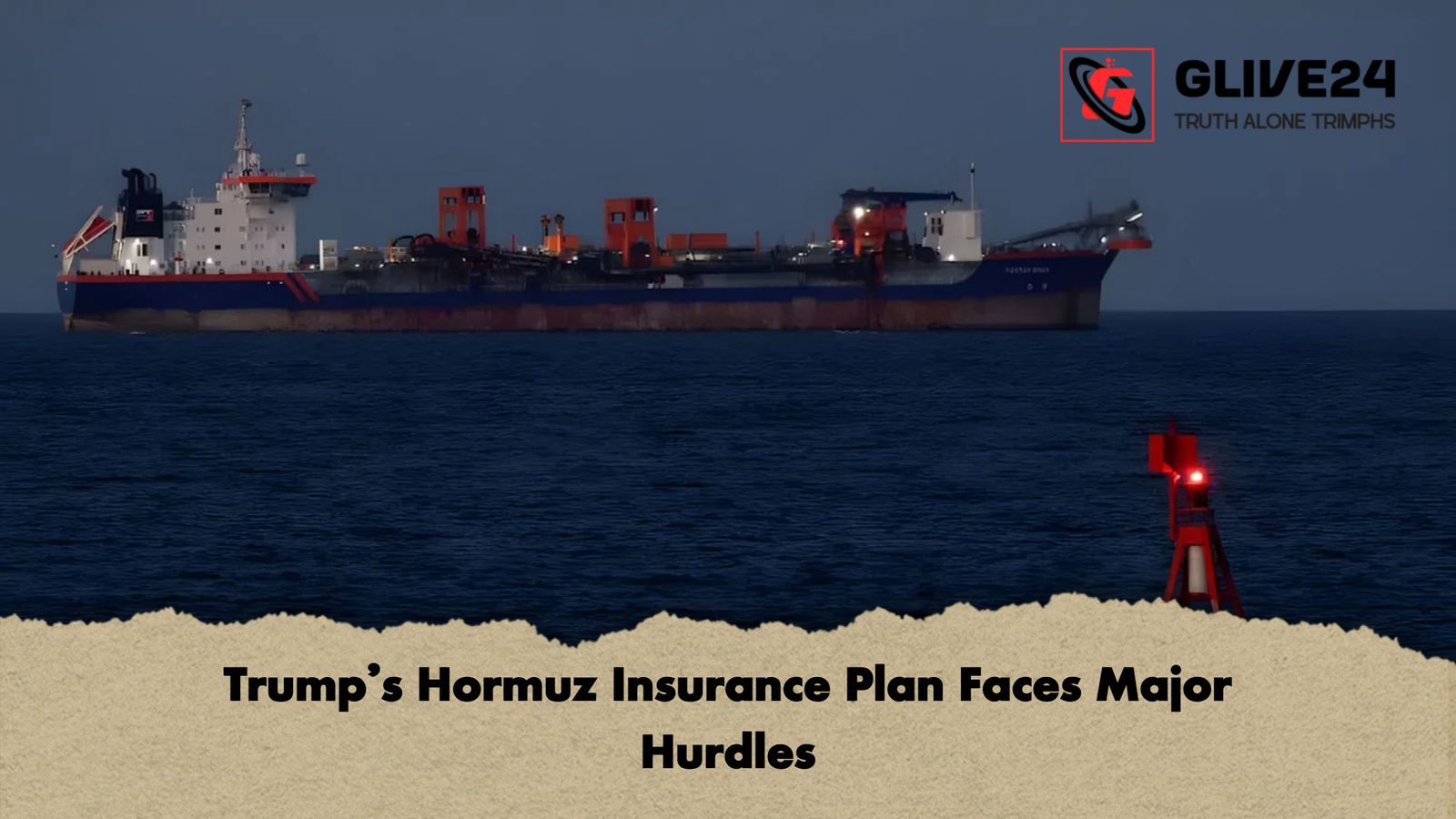
A recent report has highlighted significant challenges confronting former US President Donald Trump’s proposed government-backed initiative to provide insurance for vessels navigating the strategic Strait of Hormuz. The programme, designed to safeguard oil shipments from conflict-related disruptions, aimed to stabilise global energy supply and protect international markets from potential volatility.
According to sources, the plan included offering Political Risk Insurance for commercial vessels traversing the strait, alongside the provision of escorts by the United States Navy when necessary. However, the American insurance sector has shown reluctance to engage, citing the inherent complexities and risks. Analysts note that it is extremely rare for US insurers to position themselves close to maritime insurance markets or the international waterway security ecosystem.
Trump, through social media, described the initiative as an effort “to ensure the free flow of energy across the world.” Despite its strategic intent, implementation has proven complicated. Experts emphasise that underwriting insurance in the Hormuz corridor requires careful coordination of political risk, regional tensions, and international policy considerations—a balance that US insurance firms are hesitant to assume.
The report included a concise table outlining the primary components of the initiative and the obstacles faced:
| Initiative Component | Description | Major Challenge |
|---|---|---|
| Political Risk Insurance | Coverage for vessel protection and compensation | US insurers’ refusal to participate |
| Naval Escorts | US Navy to accompany ships if required | Logistical demands and regional coordination |
| International Energy Supply | Ensure uninterrupted oil flow through Hormuz | Regional conflict and political pressure |
| Competitive Insurance Pricing | Maintain market-competitive premiums | Insurers’ unwillingness to assume high risk |
Industry observers argue that US government support alone is insufficient for success. Effective execution would require coordination with international insurance markets, enhanced maritime security measures, and strategic diplomatic engagement.
While the proposal is pivotal in maintaining global energy supply stability, experts caution that its success hinges on international partnerships and active cooperation from the insurance industry. Without multilateral agreement, bridging the gap between Trump’s initiative and the American insurers’ reluctance appears challenging.
In short, the plan underscores the difficulty of guaranteeing commercial shipping security in a geopolitically sensitive corridor, highlighting the intricate interplay between government initiatives, private insurers, and international diplomacy.