
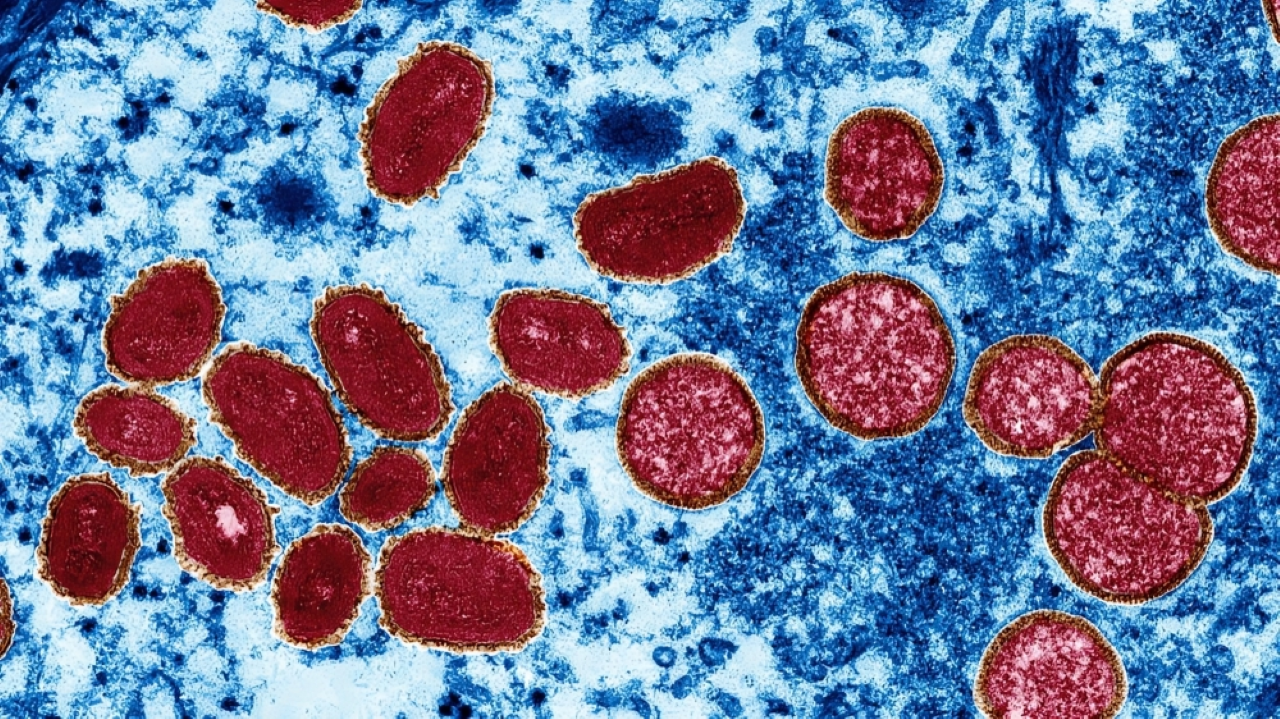
Health authorities in Bangladesh have officially ruled out a suspected case of Monkeypox (Mpox) involving a Turkish national who arrived at Hazrat Shahjalal International Airport (HSIA) on Tuesday. Following a rigorous medical evaluation and laboratory assessment, officials confirmed that the individual’s symptoms were unrelated to the viral zoonotic disease that has recently prompted global health vigilance.
Incident and Initial Screening
The 32-year-old passenger arrived in the capital via a Turkish Airlines flight. During the routine health screening protocols currently in place at the international terminal, airport health officials noticed visible rashes on the passenger’s body. Given the heightened global alert regarding the transmission of Mpox, the individual was immediately intercepted and transferred to the airport’s dedicated health centre for a preliminary examination.
Dr Shahriar Sazzad, the health officer-in-charge at HSIA, confirmed the sequence of events, stating that the passenger was isolated as a precautionary measure shortly after disembarking. “The passenger was taken to our health facility this afternoon following the discovery of skin lesions that warranted professional investigation,” Dr Sazzad explained.
Clinical Assessment and Verdict
To ensure public safety and an accurate diagnosis, the Directorate General of Health Services (DGHS) dispatched senior experts to review the case. After a thorough clinical review, Professor Ahmedul Kabir, the Additional Director General (Administration) of the health directorate, issued a statement to quell public concern.
“The individual in question does not exhibit the clinical symptoms associated with Monkeypox,” Professor Kabir clarified. “Our assessment indicates that the rashes observed on his body are the result of a chronic, long-term skin condition from which the patient has suffered for a significant period. There is no evidence of an acute viral infection of this nature.”
Strengthening Health Vigilance
The incident underscores the efficacy of the surveillance measures currently operational at Bangladesh’s primary gateway. Since the World Health Organization (WHO) and international health bodies raised concerns over the spread of Mpox, the DGHS has reinforced screening at all land, sea, and air ports.
The following table provides a comparative overview of the clinical features used by health officials to differentiate between Mpox and common chronic skin conditions:
| Feature | Monkeypox (Mpox) | Chronic Skin Conditions (e.g., Psoriasis, Eczema) |
| Onset | Acute and sudden | Gradual or recurring over years |
| Systemic Symptoms | Fever, headache, and muscle aches | Typically absent |
| Lymph Nodes | Often swollen (lymphadenopathy) | No swelling |
| Lesion Evolution | Progresses from macules to pustules | Usually stable plaques or dry patches |
| Contagion | Highly transmissible via close contact | Non-contagious |
Authorities have reassured the public that the Turkish national has been provided with the necessary guidance for his pre-existing condition and is no longer being held under quarantine. The DGHS continues to monitor all incoming travellers, ensuring that any suspected viral symptoms are met with a swift and professional medical response to maintain national health security.