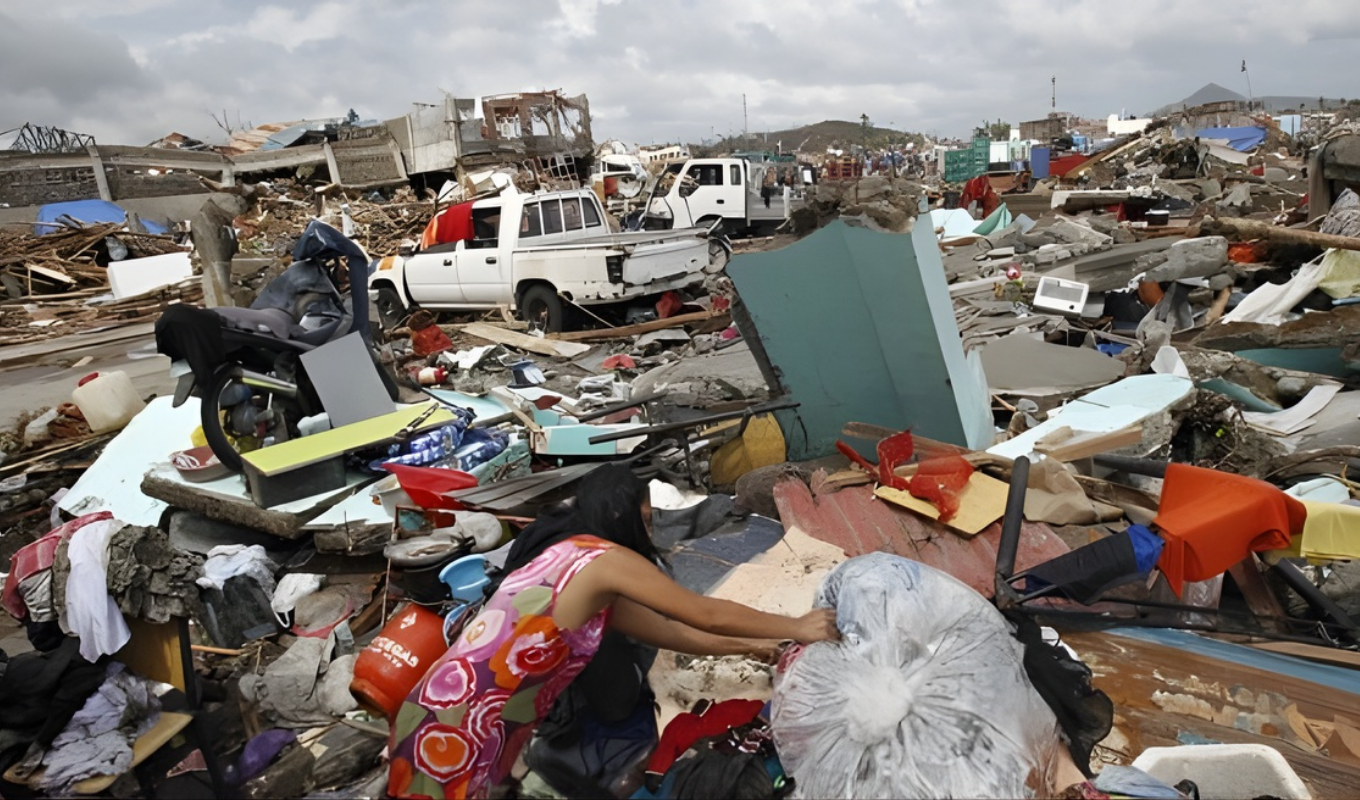
The death toll from Typhoon Kalmaegi in the Philippines has risen to more than 90, officials confirmed on Wednesday, as the full scale of devastation in Cebu province emerged following the most severe flooding the region has seen in decades.
Described as “unprecedented,” torrents of floodwater swept through towns and cities across Cebu on Tuesday, carrying away vehicles, shanty homes along riverbanks, and even enormous shipping containers.
By Wednesday, Cebu provincial spokesman Rhon Ramos reported that 35 bodies had been recovered from flood-hit areas in the town of Liloan, which forms part of greater Cebu City. This grim discovery brought the death toll in the province to at least 76. Earlier, national civil defence deputy administrator Rafaelito Alejandro confirmed a further 17 deaths across other provinces, bringing the nationwide total beyond 90.
“It was the major cities that were hardest hit, highly urbanised areas,” Alejandro told local radio, adding that 26 people remained missing.
In Cebu City itself, residents spent Wednesday morning clearing mud and debris from streets that had effectively turned into rivers just 24 hours earlier.
“The flood here yesterday was really severe,” said 53-year-old shopkeeper Reynaldo Vergara, whose small business was completely destroyed. “The river overflowed — that’s where the water came from. Around four or five in the morning, the current was so strong you couldn’t even step outside. Nothing like this has ever happened. The water was raging.”
Meteorologists recorded an extraordinary 183 millimetres (seven inches) of rain within 24 hours before the typhoon made landfall — well above the region’s monthly average of 131 millimetres, weather specialist Charmagne Varilla told AFP.
Cebu’s provincial governor, Pamela Baricuatro, described the flooding as “unprecedented,” saying the authorities had initially feared the typhoon’s winds would cause the most damage. “We were expecting the winds to be the dangerous part, but the water is what’s truly putting our people at risk,” she said. “The floodwaters are just devastating.”
Experts have long warned that climate change is intensifying tropical storms, as warmer ocean temperatures allow typhoons to strengthen more rapidly, while a warmer atmosphere retains more moisture, resulting in heavier rainfall.
Authorities said nearly 400,000 residents had been pre-emptively evacuated from the typhoon’s projected path.
– Military Helicopter Crash Adds to Tragedy –
Amid the widespread devastation, the Philippine military confirmed that a helicopter deployed for rescue and relief operations had crashed on northern Mindanao island on Tuesday.
The Super Huey aircraft went down en route to the coastal city of Butuan “in support of relief operations,” according to the Eastern Mindanao Command.
Hours later, air force spokeswoman Colonel Maria Christina Basco announced that troops had recovered the remains of six individuals. “We’re awaiting forensic confirmation of their identities,” she said, noting that two pilots and four crew members had been aboard.
As of 11:00 am Wednesday, Typhoon Kalmaegi was moving westward towards the island province of Palawan — a popular tourist destination — with sustained winds of 130 kilometres (81 miles) per hour and gusts reaching up to 180 kph.
The Philippines endures around 20 tropical storms and typhoons each year, many of which strike regions where poverty leaves millions particularly vulnerable to natural disasters.
With Kalmaegi, the country has now reached that annual average, Varilla confirmed, warning that “three to five more” storms could still be expected before the end of December.
The archipelago had already been battered by two major storms in September, including Super Typhoon Ragasa, which tore roofs from buildings in northern Philippines and went on to claim 14 lives in neighbouring Taiwan.