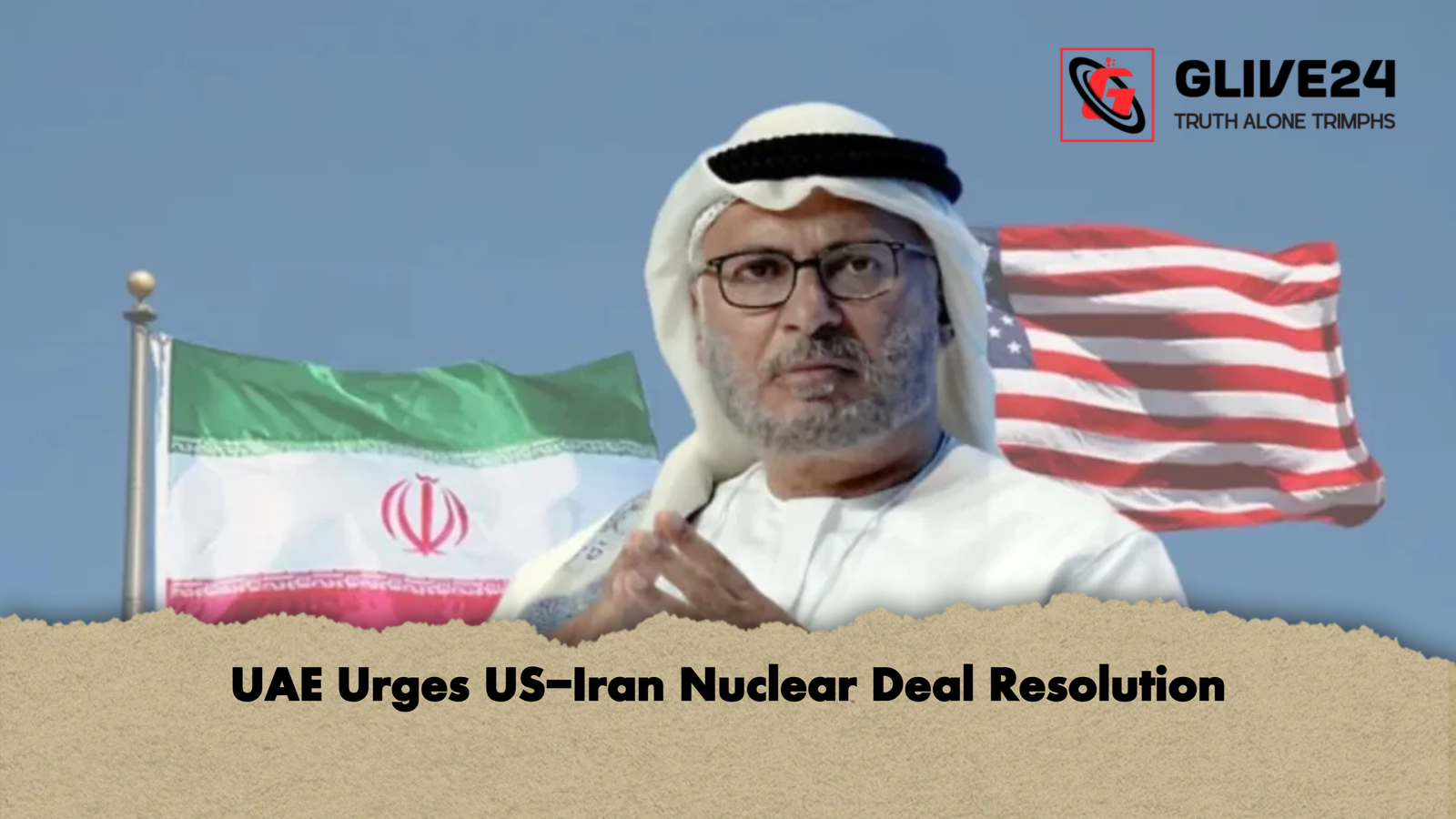
The United Arab Emirates (UAE) has called for urgent progress towards a nuclear agreement with Iran, stressing the importance of rebuilding diplomatic relations between Tehran and Washington. Speaking at the World Government Summit in Dubai, Anwar Gargash, the UAE President’s Adviser for Foreign Affairs, stated, “It is imperative that a nuclear deal with Iran is reached. Relations between the United States and Iran must be restored.”
Gargash’s comments come at a critical juncture in Middle Eastern geopolitics. Recent threats of military action by U.S. President Donald Trump against Iran have raised concerns over escalating tensions. Despite this, both Tehran and Washington have signalled a willingness to return to the negotiating table, creating an opportunity for renewed diplomatic engagement.
“I believe this region has endured multiple disastrous conflicts,” Gargash added. “At this moment, we do not need another confrontation. I want to see direct U.S.-Iranian discussions, which can foster understanding between the two nations and, through that process, ensure that these problems are finally resolved.”
The UAE’s stance reflects a broader regional concern that unresolved tensions between the United States and Iran could destabilise the Middle East further, with repercussions for global energy markets and international security. Experts have noted that a renewed nuclear agreement would not only prevent potential military escalation but also contribute to long-term regional stability.
Meanwhile, Iran has indicated a cautious openness to dialogue. President Masoud Pejeshkian has instructed Iranian diplomats to engage with their U.S. counterparts despite the looming threat of military action from Washington. Analysts suggest that this dual approach—combining readiness for negotiation with deterrence—illustrates Tehran’s desire to protect its strategic interests while avoiding direct confrontation.
The following table summarises the current dynamics surrounding the U.S.-Iran nuclear discussions:
| Aspect | Current Status |
|---|---|
| U.S. Position | Threat of military action, willingness to negotiate under conditions |
| Iran’s Position | Diplomatic engagement with cautious stance; presidential directives to negotiate |
| UAE Position | Advocates urgent nuclear deal and restoration of U.S.-Iran relations |
| Regional Implications | Potential to reduce tensions, promote stability, and safeguard energy markets |
| Expected Outcome | Direct dialogue leading to renewed understanding and reduced conflict risk |
Gargash emphasised that diplomatic channels must remain open to avert a repeat of past crises. “If these discussions succeed, they will benefit all parties involved,” he noted, highlighting the UAE’s role as a mediator that encourages dialogue over confrontation.
The call from the UAE underscores the growing recognition among Gulf states that the resolution of U.S.-Iran tensions is critical not only for bilateral relations but also for the broader security architecture of the Middle East. Observers suggest that successful negotiations could set a precedent for constructive engagement in the region and contribute to a more predictable international order.