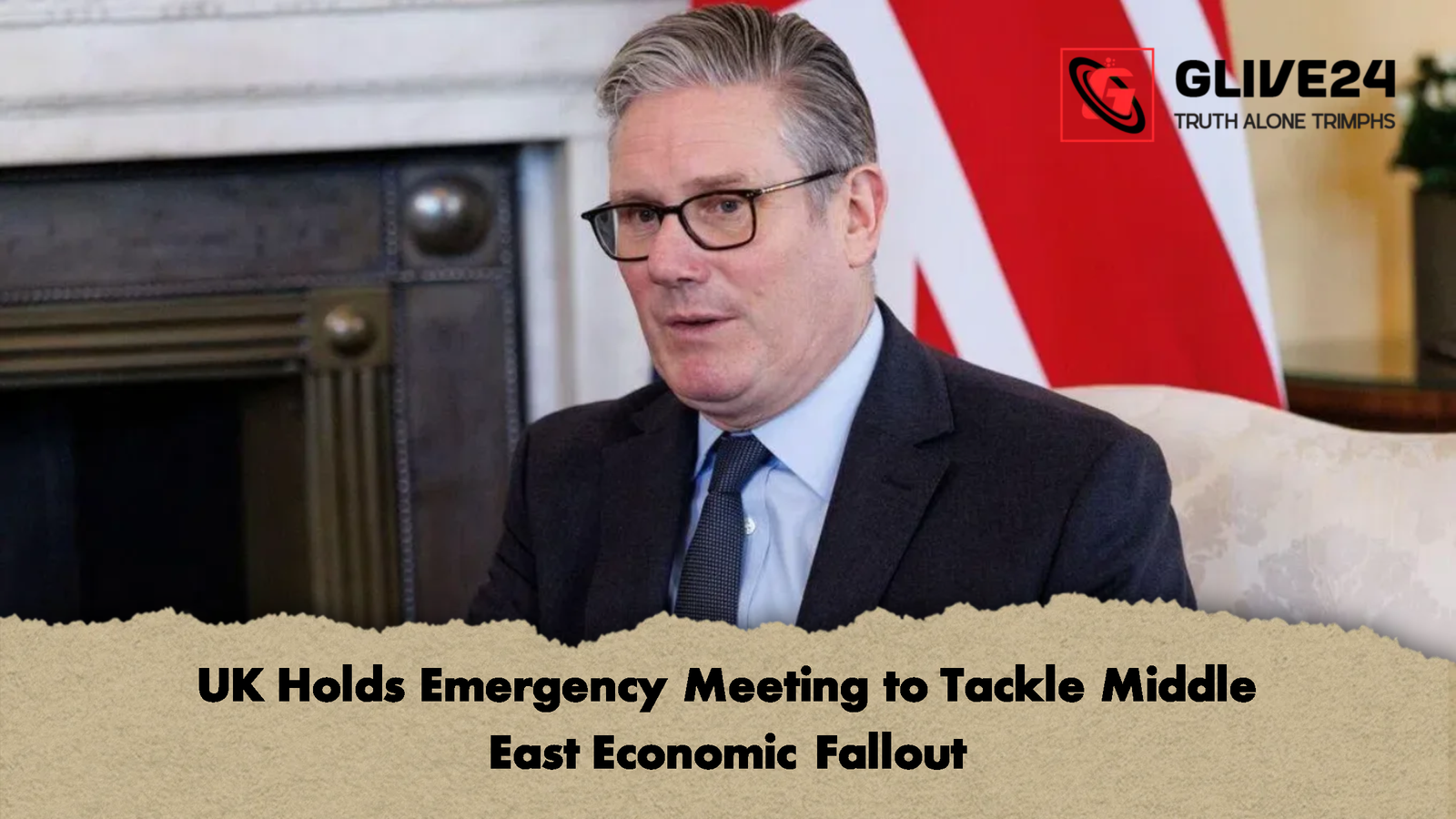
Amid escalating geopolitical tensions in the Middle East, British Prime Minister Keir Starmer has convened an urgent COBRA (Cabinet Office Briefing Rooms) meeting to evaluate and mitigate potential economic impacts arising from the conflict involving Iran, the United States, and Israel. The session, scheduled for Monday, seeks to coordinate a rapid governmental response to growing financial pressures on households, businesses, and markets.
According to government sources, key participants include Chancellor of the Exchequer Rachel Reeves, Bank of England Governor Andrew Bailey, Foreign Secretary Yvette Cooper, and Energy Secretary Ed Miliband. The meeting will address immediate economic and energy security challenges, particularly as global instability threatens domestic markets.
Reports from Reuters note that the UK’s heavy dependence on imported natural gas, persistent high inflation, and ongoing fiscal strain have already contributed to a sharp decline in government bond yields relative to international benchmarks. These vulnerabilities heighten the potential impact of any disruption to energy supply or financial markets caused by the Middle Eastern conflict.
The Treasury confirmed that discussions will focus on several key areas: the conflict’s potential effect on households and businesses, energy supply resilience, industrial and supply chain robustness, and likely international financial reactions. Officials are expected to explore strategies to stabilise domestic energy markets amid rising crude oil and natural gas prices.
Analysts warn that continued instability between Iran and the US–Israel alliance could further drive up UK fuel costs, worsening the ongoing cost-of-living crisis. Complicating matters, Iran has issued warnings that any attacks on its power infrastructure—such as potential US strikes over the Strait of Hormuz—could disrupt energy and water supplies across neighbouring Persian Gulf nations, which are critical to global energy trade.
Key Details of the Emergency Meeting
| Aspect | Details |
|---|---|
| Meeting Called By | Prime Minister Keir Starmer |
| Purpose | Assess economic risks from Middle East tensions |
| Attendees | Chancellor Rachel Reeves, Governor Andrew Bailey, Foreign Secretary Yvette Cooper, Energy Secretary Ed Miliband |
| Convening Body | COBRA (Cabinet Office Briefing Rooms) |
| Focus Areas | Household & business impact, energy security, supply chains, bond market stability |
| UK Vulnerabilities | Heavy reliance on imported gas, high inflation, fiscal pressures |
| International Concerns | Geopolitical spillover, regional energy supply disruptions |
| Immediate Risks | Rising fuel prices, declining government bond yields |
Economists suggest that the emergency session highlights the UK government’s proactive approach to risk management, aiming to anticipate potential shocks and protect both households and businesses. By assembling senior economic, financial, and energy officials, the administration is signalling its determination to contain risks and maintain market confidence amid global instability.
With tensions showing no immediate signs of easing, the UK faces a critical test in balancing energy security, inflation control, and fiscal stability. Observers will be closely monitoring the meeting’s outcomes for indications of policy measures that may buffer the economy against further disruption.