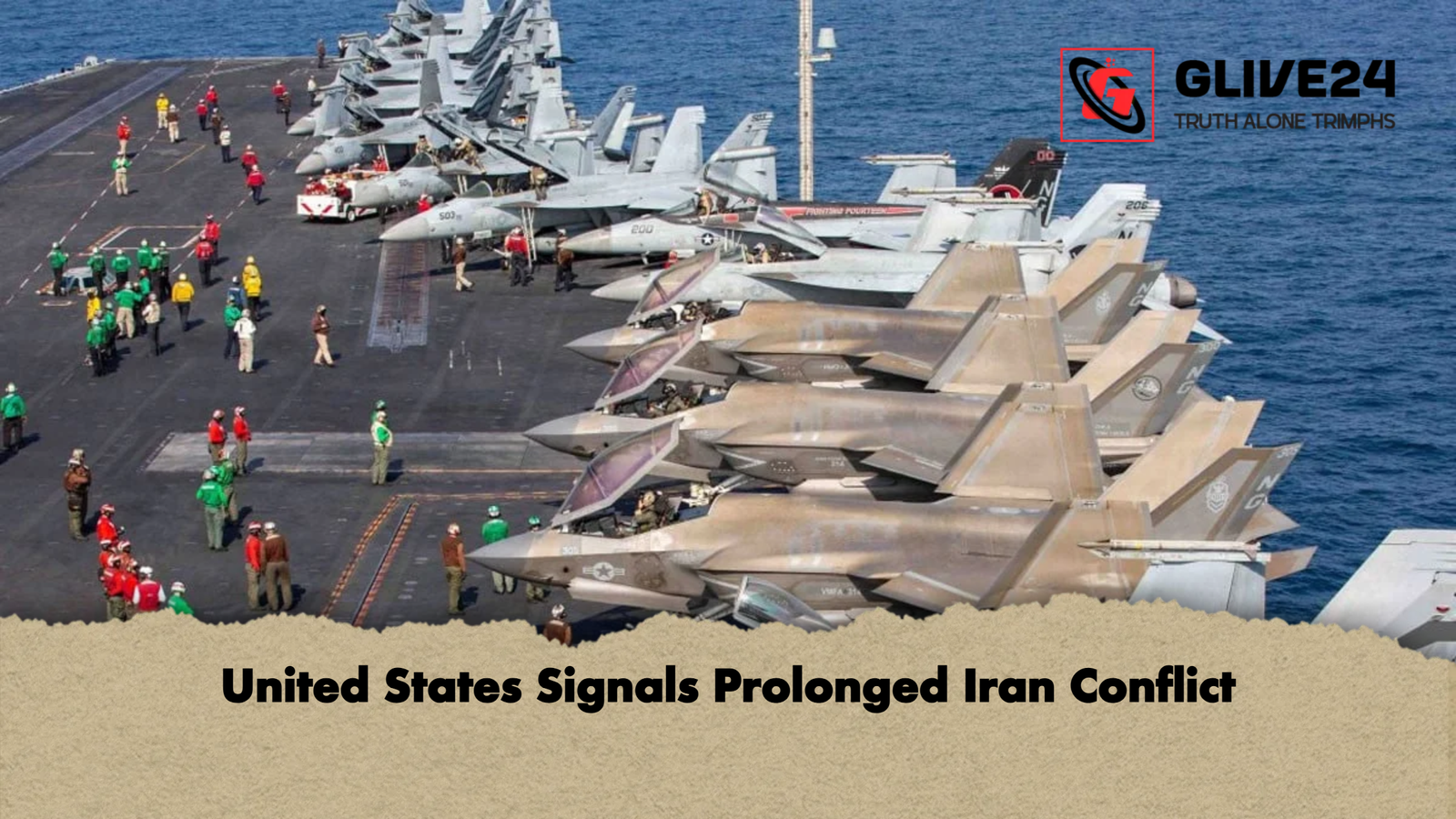
The ongoing conflict between Iran and the United States, alongside Israel, has now entered its second week with no visible signs of de-escalation. Instead, statements from Washington suggest that the confrontation could extend over a longer period. US Secretary of State Marco Rubio indicated in a recent phone call with several Arab foreign ministers that the conflict could continue for several more weeks.
Rubio emphasised that the US is primarily targeting Iran’s missile launch systems, weapons stockpiles, and military production facilities rather than attempting a direct regime change. Nevertheless, he acknowledged that Washington prefers a shift in Iranian leadership over time.
“Currently, there is no dialogue with Iran’s existing government,” Rubio stated, noting that any negotiations at this stage could hinder the achievement of military objectives. His remarks underline a strategic approach focused on weakening Iran’s military infrastructure while avoiding direct engagement with its political apparatus.
Meanwhile, Iranian President Masoud Pejeshkian confirmed that several countries are attempting to mediate in order to halt the fighting. Despite these diplomatic efforts, US President Donald Trump has taken a hardline stance. In a post on his personal social media platform, he asserted that there would be no agreements with Iran unless the country surrenders unconditionally.
Trump added that, should Iran comply, the United States and its allies would assist in reconstructing the nation with new, acceptable Iranian leadership. Analysts warn that, although diplomatic efforts continue, a swift resolution remains unlikely. Recent US statements point to the probability of a prolonged conflict rather than a rapid settlement.
The table below summarises key aspects of the conflict and positions of the major actors involved:
| Aspect | Details | Notes |
|---|---|---|
| Duration of conflict | 7+ days, ongoing | No immediate end in sight |
| US strategic targets | Missile systems, weapons stockpiles, military production | Not targeting government directly |
| Dialogue status | No current engagement with Iran | Diplomacy could impede military goals |
| Mediation attempts | Several countries attempting to intervene | Impact uncertain |
| Trump administration stance | Unconditional surrender required | Hardline approach |
| Iranian government position | Acknowledges mediation efforts | Limited flexibility at present |
Analysts suggest that the combination of targeted military action, stringent US demands, and limited diplomatic engagement indicates that the conflict could continue for weeks, with potential implications for regional stability and international relations in the Middle East. The evolving situation underscores the complexity of modern warfare where military, political, and diplomatic dimensions intertwine.