
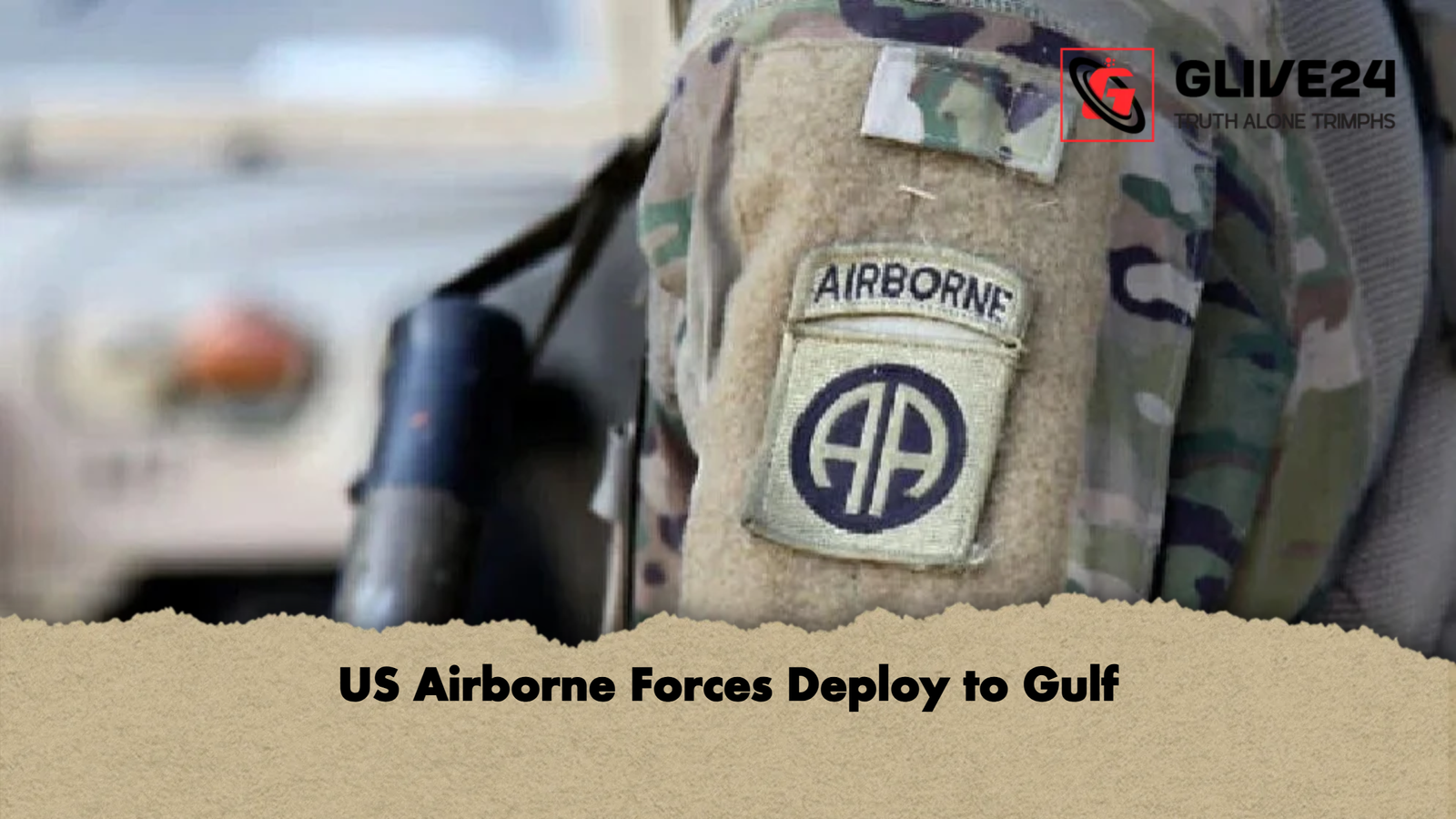
The United States has begun deploying elite airborne troops to the Middle East, signalling a potentially pivotal shift in its military posture amid escalating tensions with Iran. According to Reuters, thousands of highly trained soldiers from the 82nd Airborne Division are already arriving in Gulf countries, marking a significant reinforcement of American forces in the region.
Citing two US officials, Reuters reports that the deployment follows President Donald Trump’s announcement of additional troop movements. While these reinforcements are being positioned, the administration is simultaneously weighing its next strategic steps regarding Iran, with no definitive decision yet made on direct military engagement داخل Iranian territory.
Earlier, on 18 March, Reuters indicated that Washington was considering sending several thousand more troops to the Middle East. Such a move would not only bolster regional deterrence but also leave open the option of extending operations into Iran if deemed necessary. This reflects a broader effort to maintain operational flexibility in an increasingly volatile geopolitical environment.
The 82nd Airborne Division, based at Fort Bragg in North Carolina, is renowned for its rapid deployment capabilities. These paratroopers are trained to mobilise at short notice and establish a combat presence in hostile or unstable environments. Their arrival complements thousands of US Navy personnel, Marines, and special operations forces already stationed across the region. Notably, approximately 2,500 Marines were deployed over the past weekend alone, further strengthening the American military footprint.
Officials, speaking on condition of anonymity, declined to disclose the precise locations of the newly deployed troops. However, they suggested that the move had been anticipated as part of contingency planning. The additional forces include elements of the division’s headquarters, logistical and support units, and a full Brigade Combat Team—indicating a comprehensive and self-sustaining operational capability.
Potential Strategic Objectives
Military analysts suggest that the deployment could serve multiple strategic aims, particularly in the event of a broader confrontation with Iran:
| Objective | Strategic Significance |
|---|---|
| Seizure of Kharg Island | Control over Iran’s primary oil export hub |
| Control of Strait of Hormuz | Influence global oil supply routes |
| Rapid assault and defence | High-readiness response to conflict escalation |
| Reinforcement of allies | Strengthen regional security partnerships |
The Strait of Hormuz remains one of the world’s most critical maritime chokepoints, with a substantial portion of global oil shipments passing through it daily. Any disruption or attempt at control could have immediate and far-reaching consequences for international energy markets and economic stability.
Despite the scale of the deployment, US officials have emphasised that no decision has yet been taken to send troops directly into Iran. Instead, the current build-up appears aimed at enhancing readiness and ensuring that military options remain viable should the situation deteriorate.
Meanwhile, US Secretary of State Marco Rubio has stated that key objectives of any potential military operation could be achieved within weeks. His remarks underscore the administration’s confidence in its operational planning, while also highlighting the urgency of the situation.
As tensions continue to mount, the focus now turns to how Iran may respond and whether diplomatic channels can still prevent further escalation. The future of the Strait of Hormuz—and by extension, the stability of the global economy—remains uncertain in the face of these developments.