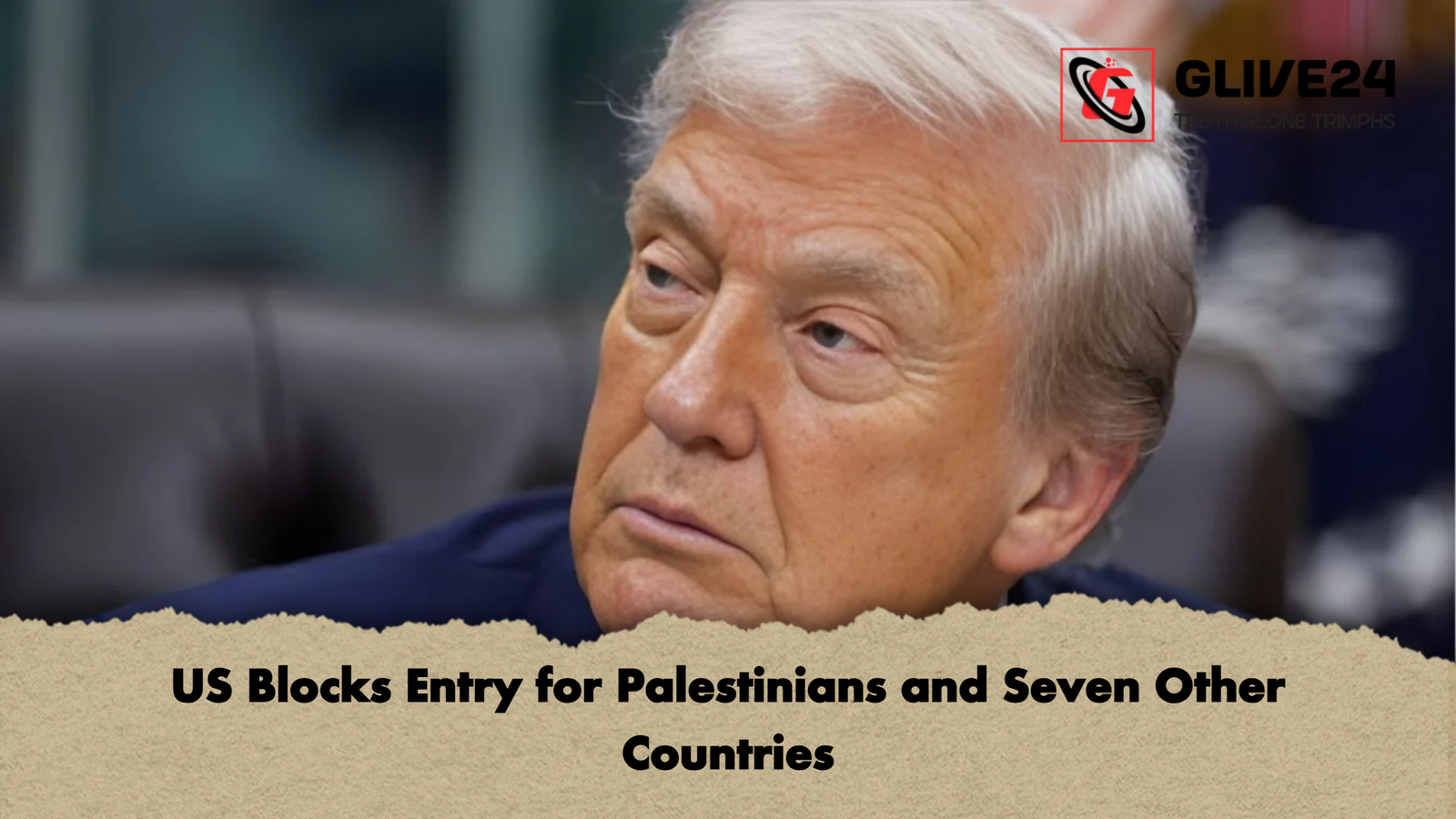
The United States has imposed a full entry ban on citizens from eight nations, including Palestine, signalling a significant escalation in travel restrictions under President Donald Trump’s administration. The other countries affected by this decision include Burkina Faso, Mali, Niger, South Sudan, Sierra Leone, Laos, and Syria.
According to an official statement issued from the White House yesterday, the ban is a direct response to “persistent, serious gaps” in the ability of these countries to screen, vet, and share information on potential security risks. The administration highlighted that these deficiencies posed threats not only to the United States but also to its citizens, necessitating immediate action.
The travel restrictions are set to take effect from 1 January 2026. The White House emphasised that this policy aligns with ongoing efforts to safeguard national security, citing prior measures that suspended immigration from 19 other countries late last November. These included Afghanistan, Myanmar, Burundi, Chad, Cuba, the Republic of Congo, Equatorial Guinea, Eritrea, Haiti, Iran, Laos, Libya, Sierra Leone, Somalia, Sudan, Togo, Turkmenistan, Venezuela, and Yemen.
In a December 4 interview with US media outlet Fox News, Secretary of Homeland Security Kristie Noem confirmed that the Trump administration planned to extend the travel ban to at least 32 countries, though the names of some of the new additions were withheld.
The decision follows international incidents, including a mass shooting at Bondi Beach in Sydney, Australia, in which 15 Jewish victims lost their lives. Analysts suggest that such events have influenced US policy, particularly regarding Palestinian nationals. However, the inclusion of Syrian citizens was unexpected, considering that Syrian President Ahmed Shara had recently met with Trump at the White House, and prior US sanctions on Shara had been lifted ahead of his visit.
The administration cited a recent ISIS attack in Syria, which resulted in the deaths of two American soldiers and an interpreter, as a critical factor in imposing the ban. President Trump described the attack as “horrific” on his Truth Social account and announced that the US would take decisive action in response.
The White House statement further highlighted that despite Syria’s attempts to stabilise after years of civil war, the country lacks a fully functional central authority capable of issuing passports or conducting thorough screening procedures. These limitations, the administration argued, present ongoing risks to American national security.
This new directive is expected to have far-reaching consequences, impacting thousands of travellers and potentially straining diplomatic relations with the affected countries. Critics have argued that the ban raises ethical questions and humanitarian concerns, while supporters contend it is a necessary measure to protect the United States from emerging global threats.