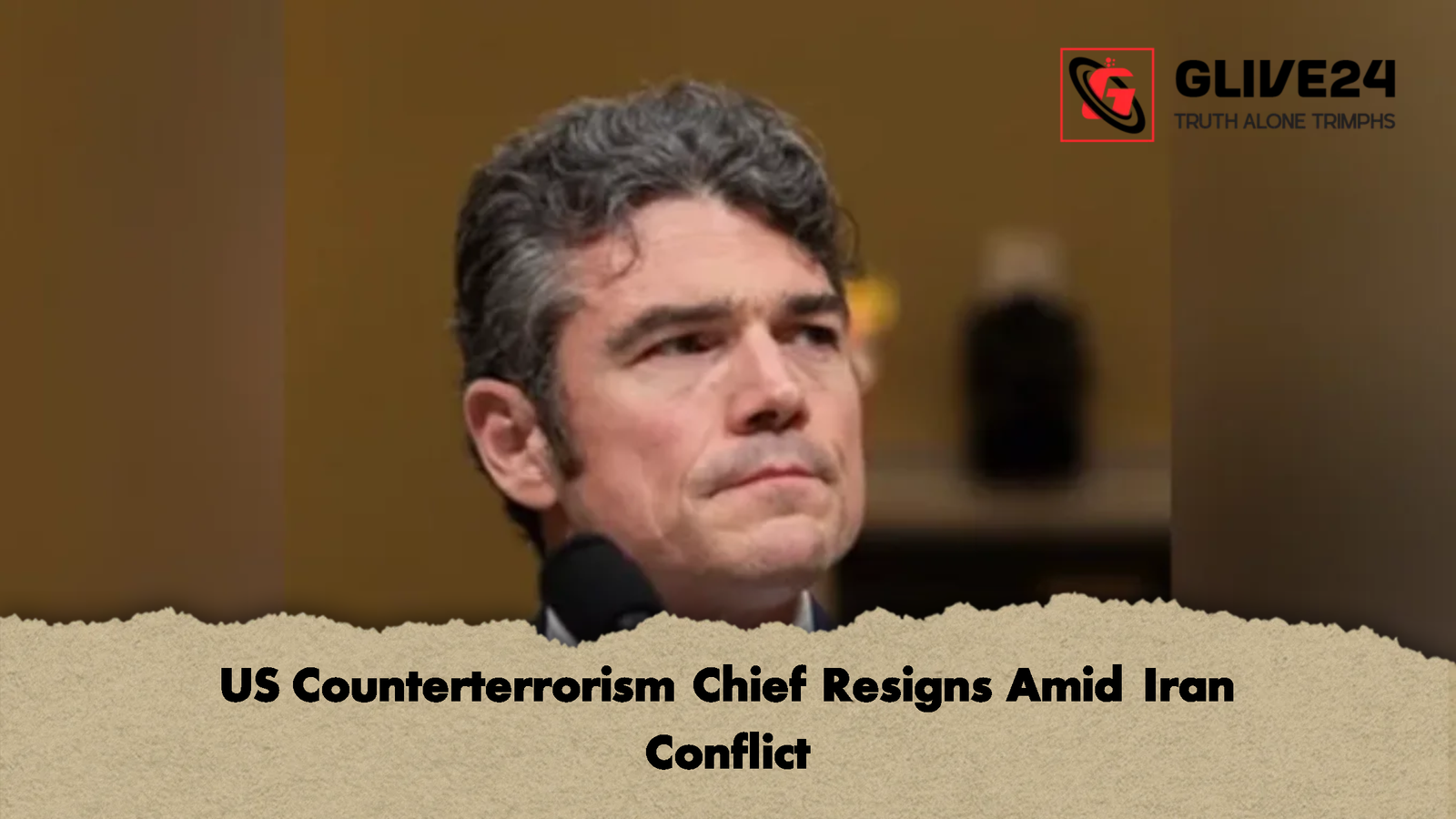
In a dramatic and unprecedented move, Joe Kent, director of the United States National Counterterrorism Center (NCTC), has resigned from his post in protest against ongoing US–Israeli military operations targeting Iran. The resignation underscores growing dissent within the administration regarding the rationale for American involvement in the conflict and raises questions about internal consensus on foreign policy decisions.
Table of Contents
Resignation and Motivations
Kent, who had served as the head of the NCTC, submitted his resignation directly to President Donald Trump, citing moral and ethical objections to US policy in the region. In a letter later made public via his official Ex-A post, Kent stated:
“My conscience does not allow me to support the ongoing war in Iran.”
He further argued that Iran posed no imminent threat to the United States and suggested that Washington’s involvement was largely influenced by pressure from Israel and its influential American lobby, rather than direct national security concerns.
Kent’s decision reflects a rare instance of a senior counterterrorism official openly questioning the legitimacy of US military action and prioritising personal ethical standards over official duties.
White House Response
President Trump reacted to Kent’s resignation by framing it as a relief for the administration, asserting that Kent had demonstrated a weak approach to national security.
“When I read his statement, it seemed that his leaving was a good thing, because Kent claimed that Iran posed no threat,” Trump said.
“Every country understands the nature of the threat Iran presents—the real question is whether anyone intends to act on it.”
The remarks highlight a clear divergence of opinion between Kent, who questioned the justification for military engagement, and the administration’s position emphasising strategic deterrence and regional security priorities.
Broader Implications
Kent’s departure has drawn attention both domestically and internationally, sparking debate about the ethical responsibilities of senior officials and the internal coherence of US foreign policy. Analysts note that his resignation could embolden other officials with reservations about military involvement to express dissent or reconsider their positions.
The incident also sheds light on the tension between moral considerations and strategic imperatives in US policymaking, particularly regarding the Middle East. Observers suggest that high-profile resignations such as this may influence diplomatic messaging, shape public opinion, and affect inter-agency coordination on security matters.
Key Facts
| Detail | Information |
|---|---|
| Individual | Joe Kent |
| Position | Director, US National Counterterrorism Center (NCTC) |
| Date of Resignation | March 2026 |
| Reason for Resignation | Ethical objections to US–Israeli military operations against Iran |
| Public Statement | “My conscience does not allow me to support the ongoing war in Iran.” |
| US Administration Reaction | President Trump welcomed resignation, citing weak security stance |
| Key Issue | Legitimacy of Iran conflict and US involvement |
| Wider Implications | Internal dissent, ethical debates, and potential influence on foreign policy |
Conclusion
Joe Kent’s resignation represents a significant and rare act of protest from a high-ranking counterterrorism official, highlighting the delicate balance between personal ethics and official responsibilities in government service. As international observers monitor the evolving situation, this move underscores the challenges the United States faces in aligning moral accountability with strategic imperatives in foreign policy.