The recent behaviour of Iranian drones over the Arabian Sea has raised serious questions about the US Navy’s operational responses. While it is difficult to definitively assess whether the American forces misjudged the situation, a recent incident underscores the heightened level of attention the US military must now devote to unmanned aerial threats. The long-held notion that vessels in international waters can operate safely has come under renewed scrutiny.
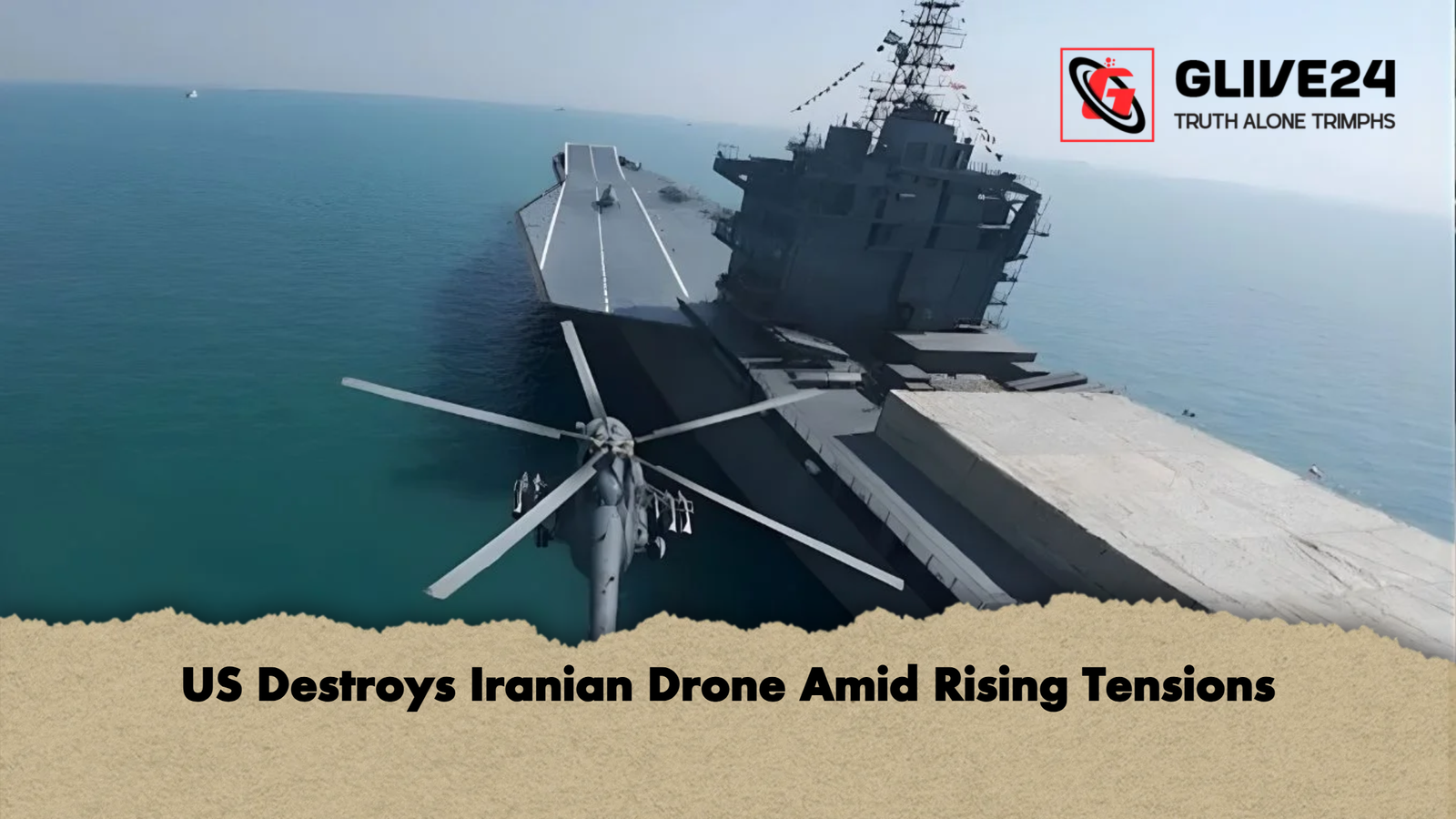
On Tuesday, the United States Central Command (CENTCOM) confirmed in a statement that a Shahhed-139 drone approaching the USS Abraham Lincoln aircraft carrier at a dangerously close distance was destroyed. According to US military officials, the drone advanced towards the carrier without any signs of provocation. After repeated warnings failed to alter its course, an F-35C fighter jet was deployed to neutralise the threat.
At the time of the incident, the carrier was positioned approximately 800 kilometres off Iran’s southern coast in international waters. CENTCOM spokesperson Captain Tim Hawkins emphasised that no US personnel were injured and the carrier sustained no damage.
Iran has not officially acknowledged any aggressive intent. However, the semi-official Iranian news agency Tasnim reported that a drone on a surveillance mission had lost connection with its control centre, without clarifying the cause.
Experts highlight the timing of the incident as particularly sensitive. Renewed nuclear negotiations between Washington and Tehran are ongoing, and such military confrontations could complicate the diplomatic environment. Meanwhile, US President Donald Trump has signalled a firm stance against Iran and has bolstered naval deployments in the region.
The table below provides key information about relevant Iranian drones and the USS Abraham Lincoln:
| Drone / Vessel | Type | Capabilities | Primary Use |
|---|---|---|---|
| Shahhed-139 | Kamikaze drone | Long endurance, precision targeting | Surveillance & attack |
| Shahhed-136 | Kamikaze drone | Small, cost-effective | Widely used in Ukraine |
| Mohajer-10 | Surveillance/attack drone | 24-hour endurance, missile capability | Precision strikes |
| Kaman-22 | Attack drone | Similar to US Predator, long-range capability | Long-distance strikes |
| USS Abraham Lincoln | Aircraft carrier | 117,000 tons, carries 80–90 aircraft | Military operations & defence |
Over the past decade, Iran has made significant investments in drone technology, with the Islamic Revolutionary Guard Corps (IRGC) controlling much of its fleet. Drones capable of surveillance, suicide attacks, or long-range strikes have become a major concern for Western forces operating in the Middle East.
Following this incident, there have been reports of Iranian boats and drones harassing US commercial vessels near the Strait of Hormuz. Overall, these drone confrontations in the Arabian Sea are intensifying geopolitical tensions in the region, underscoring the fragile balance between diplomacy and military readiness.