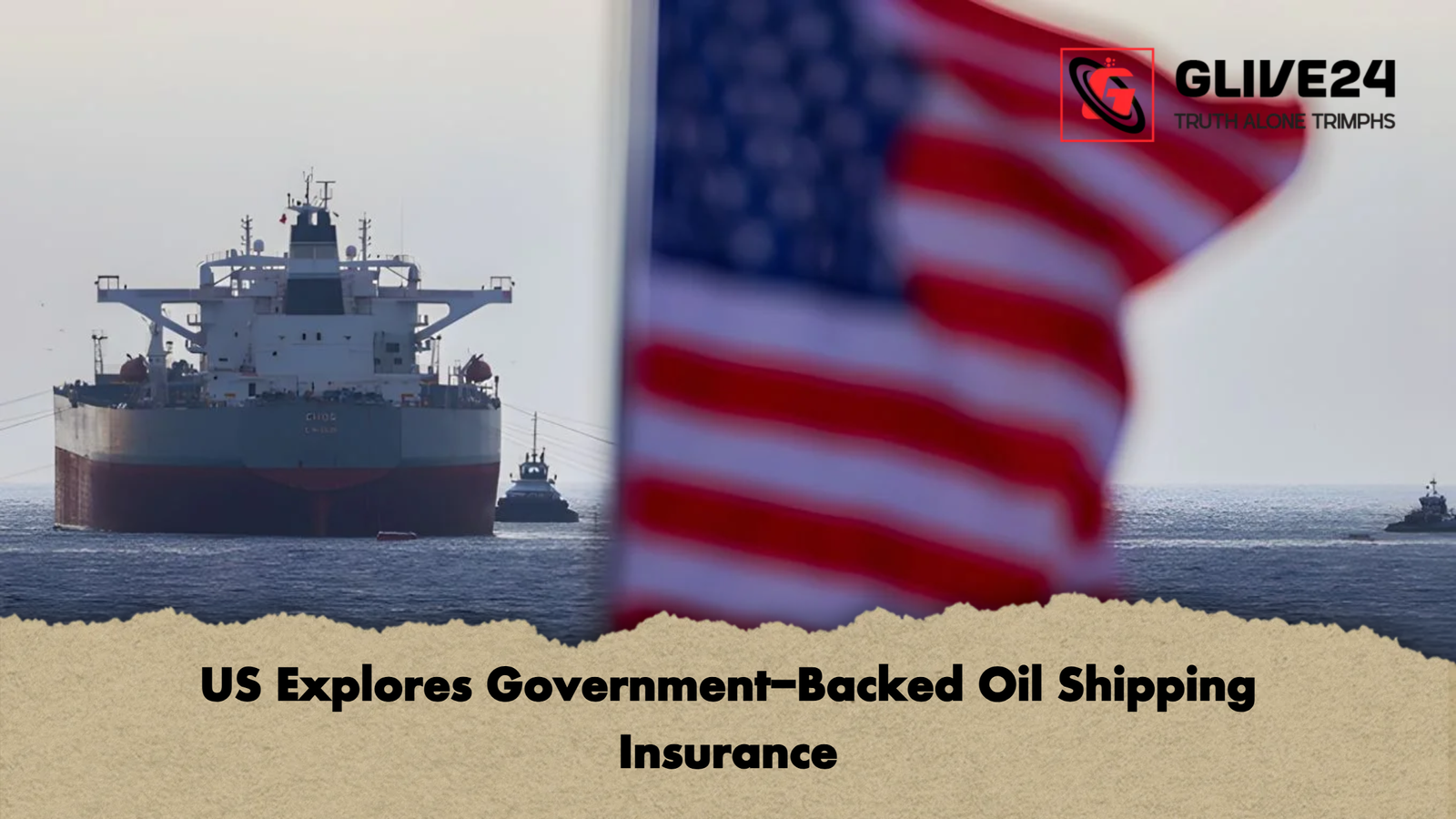
Amid escalating tensions in the Middle East, the United States administration is reportedly considering an unexpected tool to mitigate rising oil prices: government-backed insurance. With diplomatic friction and military strikes intensifying, ensuring the security of the Strait of Hormuz and the uninterrupted flow of oil has become a pressing concern for global markets.
Table of Contents
Strait of Hormuz: A Critical Energy Artery
The Strait of Hormuz, a narrow channel between Iran and Oman, is one of the world’s most strategically significant maritime passages. Approximately 20 million barrels of oil pass through it daily, representing nearly one-fifth of global liquefied natural gas and crude oil shipments. Any perceived risk in the region tends to trigger sharp price fluctuations, even without actual supply disruptions.
Insurance: The New Battleground
As the risk of conflict rises, private insurers typically increase premiums, and ship owners levy “war-risk” surcharges. Some vessels reduce speed or avoid high-risk zones altogether, restricting supply and driving oil prices higher. In response, President Donald Trump has suggested the U.S. government could introduce a programme designed to subsidise war-risk premiums, effectively sharing a portion of potential losses with private insurers and shipowners. This approach aims to reduce financial pressure on private players and keep vital energy shipments flowing.
Current Insurance Landscape
Following the February 27 escalation involving U.S.-Israeli operations and retaliatory Iranian drone and missile strikes, shipping and insurance companies are reassessing transit safety in the Strait of Hormuz. Key international insurers have already taken precautionary measures:
| Insurance Provider | Status in Strait of Hormuz | Remarks |
|---|---|---|
| Gard, Skuld, NorthStandard | War-risk coverage withdrawn | No coverage available in the region |
| London P&I Club | War-risk coverage withdrawn | Ship inspections cancelled |
| American Club | War-risk coverage withdrawn | Restricted travel permitted |
| Lloyd’s of London | Coverage active | Total hull value insured: $25 billion; discussions ongoing with U.S. officials |
Market Reactions and Implications
Global shipping giant Maersk has announced a suspension of all vessel transit through the strait. The move is expected to slow the supply of oil, impacting international markets and ultimately the price at the pump for American consumers. Analysts warn that insurance alone does not eliminate risk. Matt Smith, a maritime risk consultant, noted, “Insurance is essential, but it does not remove the danger. For those on board, it offers little reassurance if an attack occurs.”
Concluding Observations
The Strait of Hormuz remains one of the world’s most sensitive choke points for energy supply. Until U.S. insurance initiatives and regional security measures stabilise, volatility in oil markets—and uncertainty for consumers—will persist. Beyond physical supply, the stability of insurance and shipping markets will significantly shape American fuel costs in the coming months.