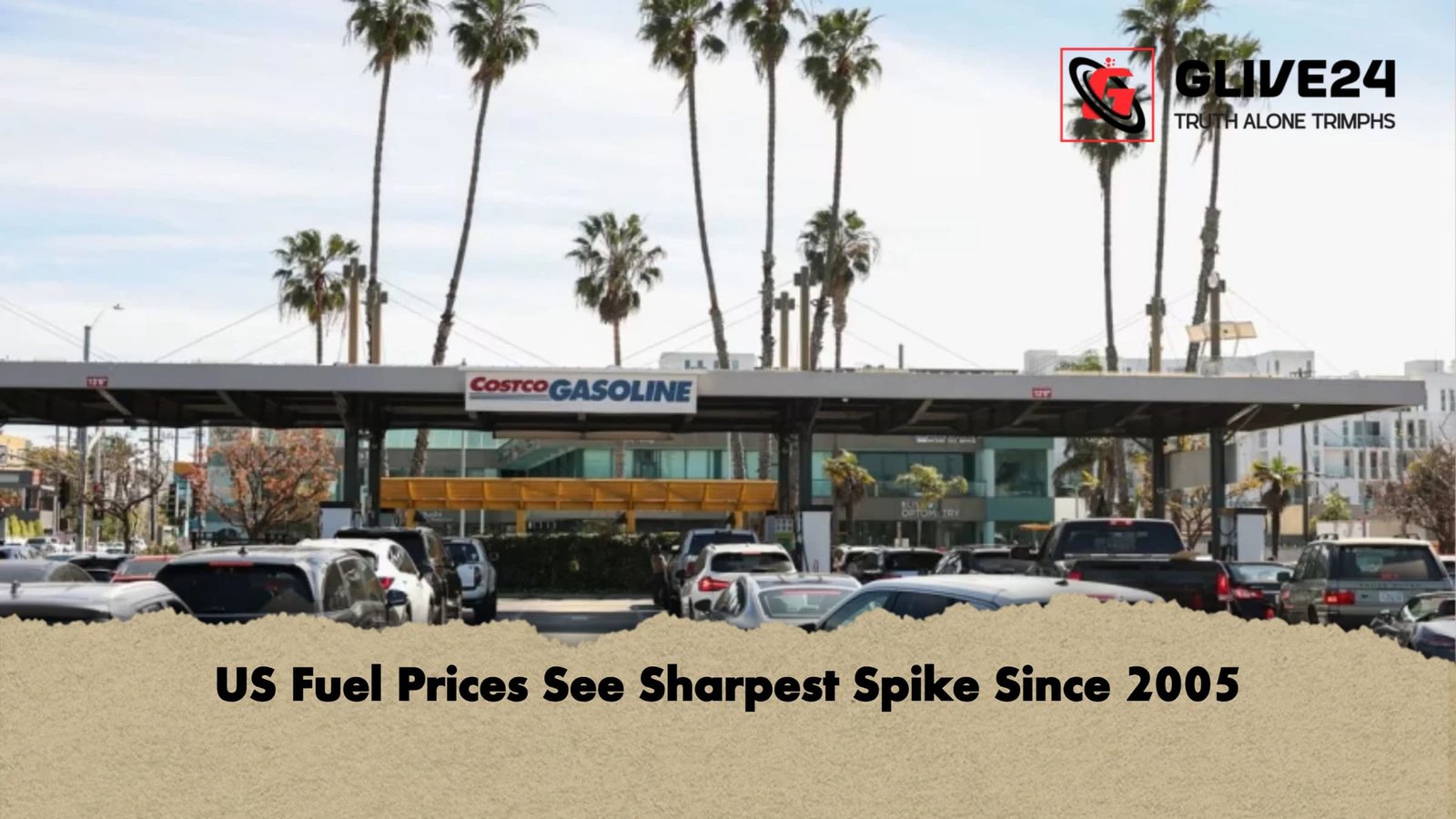
The United States is grappling with a volatile energy market as retail petrol prices experienced their most significant single-day surge in over two decades. According to data released by the American Automobile Association (AAA) and reported by CNN on Tuesday, the national average for a gallon of fuel jumped by 11 cents, reaching $3.11. This spike marks the sharpest 24-hour increase since the catastrophic aftermath of Hurricane Katrina in 2005.
Geopolitical Triggers: The Hormuz Factor
The primary catalyst for this domestic instability is the escalating military conflict in the Middle East. Following joint US-Israeli strikes on Iran, the strategic Strait of Hormuz—a critical chokepoint through which a fifth of the world’s oil passes—has been effectively rendered impassable.
Compounding the crisis, Iran has launched retaliatory strikes against key energy infrastructure in US-allied nations, including Saudi Arabia, the United Arab Emirates, Kuwait, and Qatar. These disruptions have sent shockwaves through global energy bourses, leading to an immediate contraction in supply and a corresponding surge in crude prices.
Market Analysis and Pricing Trends
On Tuesday alone, the US crude benchmark saw a 7% increase, with prices climbing to $76 per barrel. This followed a substantial 6% rise on Monday, indicating a sustained upward trajectory as the conflict persists.
Key Oil Market Indicators (March 2026):
| Metric | Previous Level | Current Level | Percentage Change |
| US Retail Petrol (Avg/Gallon) | $3.00 | $3.11 | +3.6% (Daily) |
| Crude Oil (Price per Barrel) | $71.00 | $76.00 | +7.0% (Daily) |
| Crude Oil (Monday Close) | $67.00 | $71.00 | +6.0% (Daily) |
| Historical Peak Comparison | N/A | Highest since 2005 | Post-Katrina Levels |
The Expert Outlook
Despite the alarming rise in crude costs, some economists suggest that the impact on the average consumer might eventually stabilise. David Oxley, an economist at the research firm Capital Economics, noted that while headline figures are striking, the retail price at the pump is influenced by various factors beyond raw crude costs, including refining margins and local taxes. “The actual price paid at the pump is a relatively small fraction of the broader energy economic chain,” Oxley told CNN.
However, for the American commuter, the immediate reality is one of mounting financial pressure. If the blockade of the Strait of Hormuz continues, analysts warn that the US government may need to tap into the Strategic Petroleum Reserve (SPR) to prevent a full-scale domestic energy crisis.