
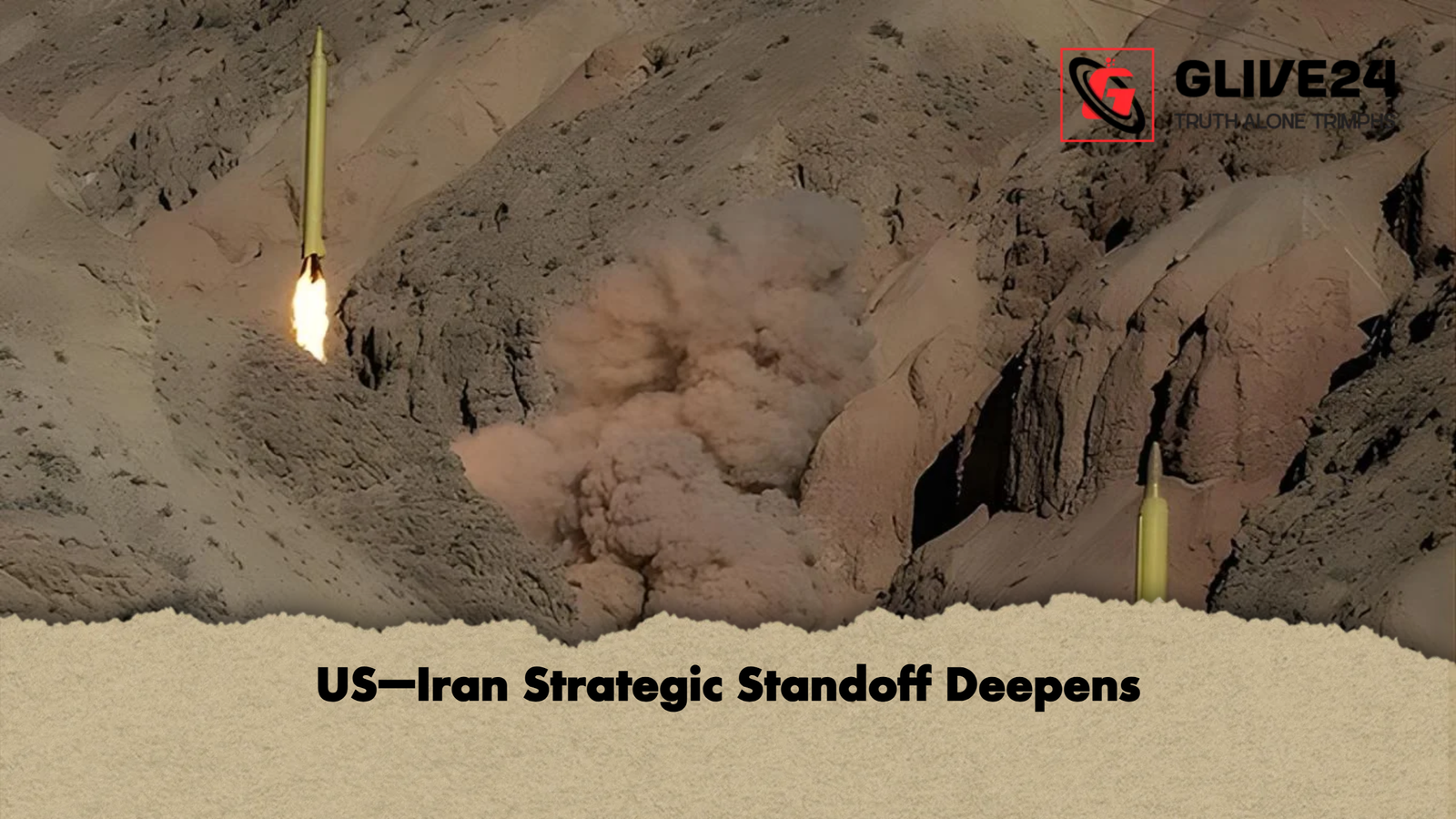
The ongoing tension between the United States and Iran has evolved into one of the most closely watched geopolitical confrontations of the modern era. Although the United States retains overwhelming superiority in military, economic, and technological power—and is further supported by allies such as Israel—the realities on the ground demonstrate that conventional strength does not necessarily translate into decisive strategic advantage.
Rather than a straightforward military confrontation, the conflict has gradually transformed into a prolonged contest of endurance, strategy, and political calculation. Iran, despite its comparatively limited resources, has adopted asymmetric tactics that continue to complicate US strategic planning and regional stability.
A central element of Iran’s leverage lies in its influence over the Strait of Hormuz, one of the world’s most critical energy corridors. Before the escalation of tensions, the strait accommodated over a hundred oil tankers daily. This figure has now fallen sharply, reflecting heightened insecurity and operational risk in the region. As a result, global energy markets have experienced increased volatility, with supply chains becoming more vulnerable to disruption.
Comparative Overview of Conditions
| Indicator | Pre-conflict Situation | Current Situation |
|---|---|---|
| Daily oil tankers passing through the Strait | 100+ | ~20 |
| Energy supply stability | Stable | Increasingly uncertain |
| Global market condition | Relatively steady | Heightened volatility |
| Strategic control of maritime route | Open international passage | Increased Iranian leverage |
While the United States retains the capability to militarily reopen and secure maritime routes if necessary, such action carries significant risks. Any successful Iranian strike against a US or allied vessel—however limited tactically—could yield substantial symbolic and political gains for Tehran. Conversely, a large-scale deployment of ground forces would raise the likelihood of American casualties, potentially triggering domestic political backlash and reducing support for sustained engagement.
Diplomatic developments further illustrate the complexity of the situation. Partial arrangements allowing limited shipping have been presented as progress; however, analysts widely view them as temporary mitigations rather than durable solutions. Instead, they highlight the paradox of a superpower being compelled to negotiate incremental operational access in a strategically sensitive region.
Iran’s broader strategy appears focused on endurance rather than outright victory. By prolonging tensions and maintaining pressure points, Tehran aims to increase the economic and political costs for the United States and its allies over time. This approach reflects a calculation that sustained strain may ultimately shift negotiating dynamics in its favour.
Importantly, the implications of the conflict extend far beyond the two principal actors. Energy-importing nations, Gulf states, and global trade networks are all indirectly exposed to disruption. Should access through the Strait of Hormuz be severely restricted for an extended period, the resulting shock could trigger a major global economic downturn.
In conclusion, neither side possesses a decisive pathway to outright victory. The United States holds unmatched conventional power, while Iran maintains effective tools of asymmetric pressure. Without careful restraint and a willingness to de-escalate, this standoff risks evolving into a wider international crisis with profound economic and security consequences.