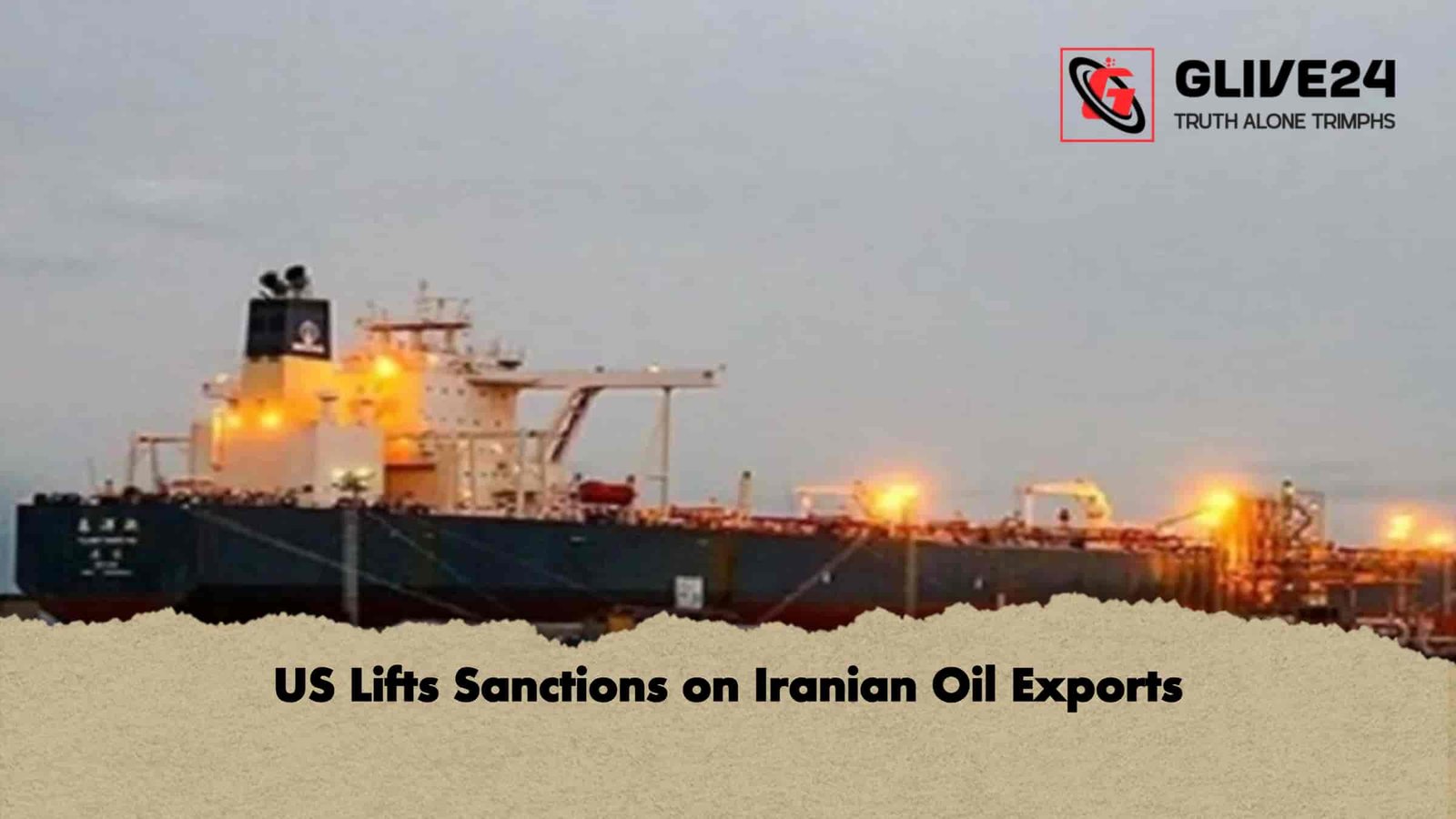
In a striking reversal of long-standing policy, the United States has announced a temporary easing of sanctions on Iranian oil exports. The move comes amid concerns over rising global energy prices caused by ongoing regional conflicts, which have disrupted production and shipping of crude oil.
US Treasury Secretary Scott Baesent confirmed that the measure applies exclusively to Iranian crude and petroleum products already loaded onto vessels for export. The directive is short-term, remaining in effect until 19 April, and aims to stabilise global oil markets without endorsing new sales.
Experts have offered mixed reactions. While the policy may slightly increase global supply, many analysts believe it will have little effect on fuel prices. Others warn that the revenue generated could strengthen the Iranian government financially, potentially allowing it to fund ongoing regional conflicts.
“Put simply, it is a peculiar decision,” said David Tannenbaum, Director of Blackstone Compliance Services. “We are permitting Iran to sell oil, which could indirectly finance military activities.”
Implications for Major Importers
Before the sanctions, China was the principal buyer of Iranian oil, often purchasing at discounted rates due to US and international restrictions. The easing is expected to broaden access for countries including India, Japan, and Malaysia, and compel China to pay market prices rather than discounted rates.
| Country | Pre-Sanction Oil Access | Effect of Eased Sanctions |
|---|---|---|
| China | Discounted oil | Must pay full market price |
| India | Limited imports | Increased access to Iranian oil |
| Japan | Limited imports | Increased access to Iranian oil |
| Malaysia | Minimal imports | Increased access to Iranian oil |
President Donald Trump has not indicated whether the policy will be extended beyond the current short-term period, stating only that the US will “do whatever is necessary to maintain price stability.”
The broader context reflects global energy market volatility. Following the outbreak of regional conflicts, shipping disruptions and reduced production pushed oil prices higher worldwide. The US has simultaneously eased some restrictions on Russian oil and released millions of barrels from domestic reserves to mitigate market pressures.
While the immediate effect on global fuel prices may be limited, the policy signals a pragmatic attempt by Washington to manage energy instability while weighing the risks of financially benefiting Iran’s government. Analysts caution that enforcing restrictions on how the revenue is used will be challenging, leaving potential for unintended consequences.