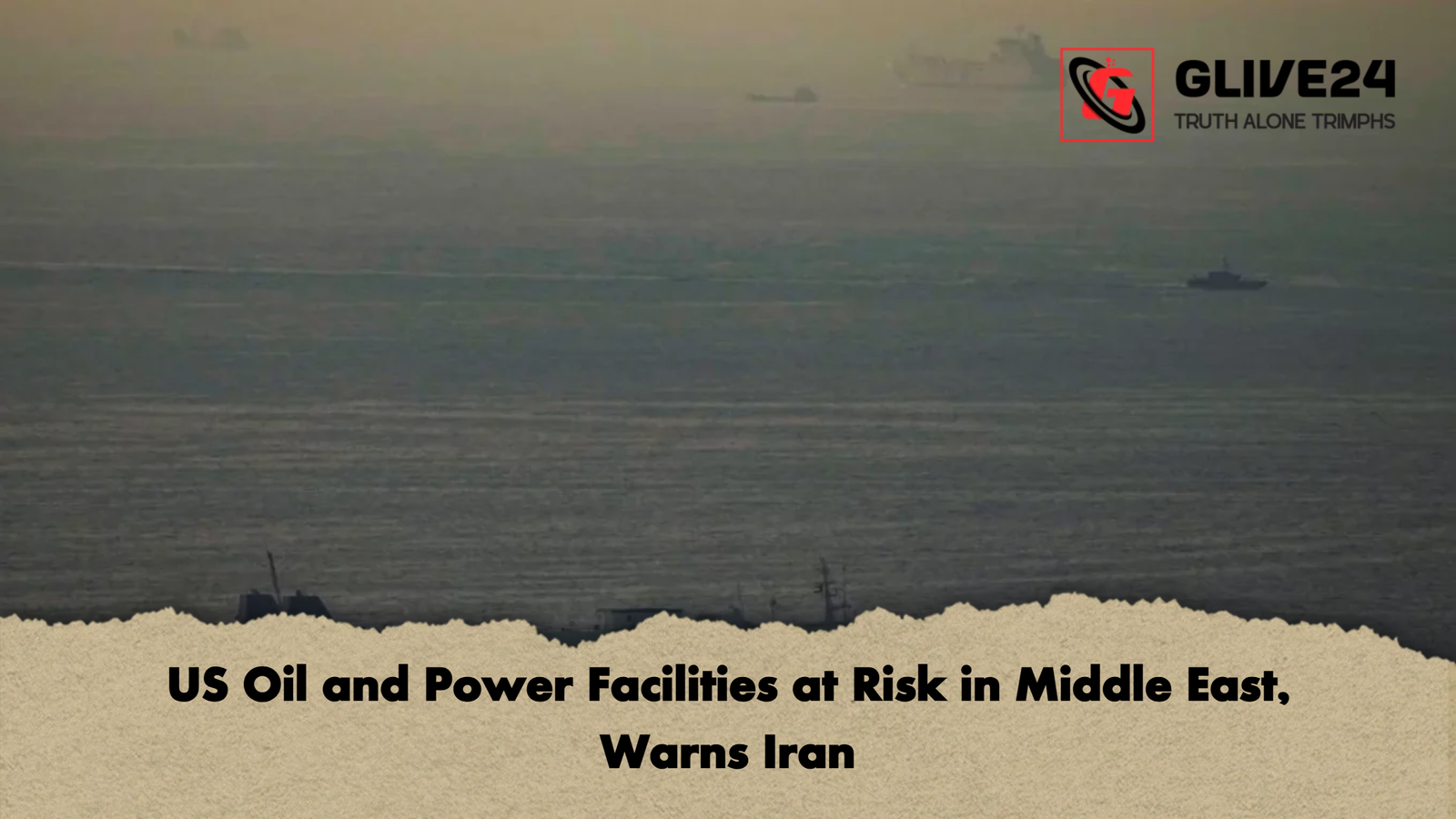
Tensions in the Middle East have escalated sharply as Iran has issued a stark warning of retaliatory strikes against United States energy infrastructure across the region if its own oil and electricity installations are attacked. Citing the Unified Combatant Command of Iran’s Armed Forces, domestic media reported that Tehran is fully prepared to respond decisively to any aggression targeting its energy sector.
The warning comes in direct response to a recent ultimatum issued by US President Donald Trump, who demanded that Iran fully reopen the strategically vital Strait of Hormuz within 48 hours. Trump further threatened that failure to comply would prompt US military forces to “obliterate” Iran’s power plants and critical energy facilities.
Since the onset of the current confrontation, over 1,000 commercial vessels—predominantly oil and gas tankers—have become stranded in the Strait of Hormuz. This maritime blockade has triggered a severe energy crisis worldwide, threatening to disrupt the global oil supply chain and exacerbate volatility in international energy markets.
The Strait of Hormuz serves as the sole maritime exit from the Persian Gulf and is crucial for global energy transit. Approximately one-quarter of the world’s seaborne crude oil and liquefied natural gas (LNG) passes through this narrow corridor, which is only two miles wide in certain sections. The obstruction of these two lanes has injected significant uncertainty into global economic stability.
| Strategic Indicator | Data |
|---|---|
| Location | Connecting Persian Gulf and Gulf of Oman |
| Daily Oil Transit | ~20–25% of global seaborne crude |
| LNG Transit | Significant share of global supply |
| Strait Width | ~2 miles (two navigable lanes) |
| Stranded Vessels | 1,000+ commercial ships |
Iran’s military command has made it clear that its response will not be purely defensive. Any US attack on Iran’s power grids or energy infrastructure could trigger targeted strikes on US-associated oil fields, refineries, and electricity supply centres throughout the Middle East. Tehran’s uncompromising stance indicates that the crisis over the Strait of Hormuz risks evolving into a full-scale regional energy conflict.
As the 48-hour deadline approaches, tensions in the Red Sea and Persian Gulf are intensifying, raising the prospect of escalating military activity. The ongoing standoff has already affected global consumers, as major oil-importing nations scramble for alternative routes. However, the lack of equivalent passages to the Strait leaves them with limited options.
Iran has repeatedly asserted that any infringement on its sovereignty or security could compel it to close the waterway indefinitely. International analysts have expressed deep concern over the potential consequences for both the Middle East’s geopolitical map and the stability of the global energy market once the US-imposed deadline expires.
In sum, the unfolding situation underscores the fragility of global energy security, highlighting how a regional dispute over a two-mile-wide strait could have far-reaching consequences for economies worldwide.