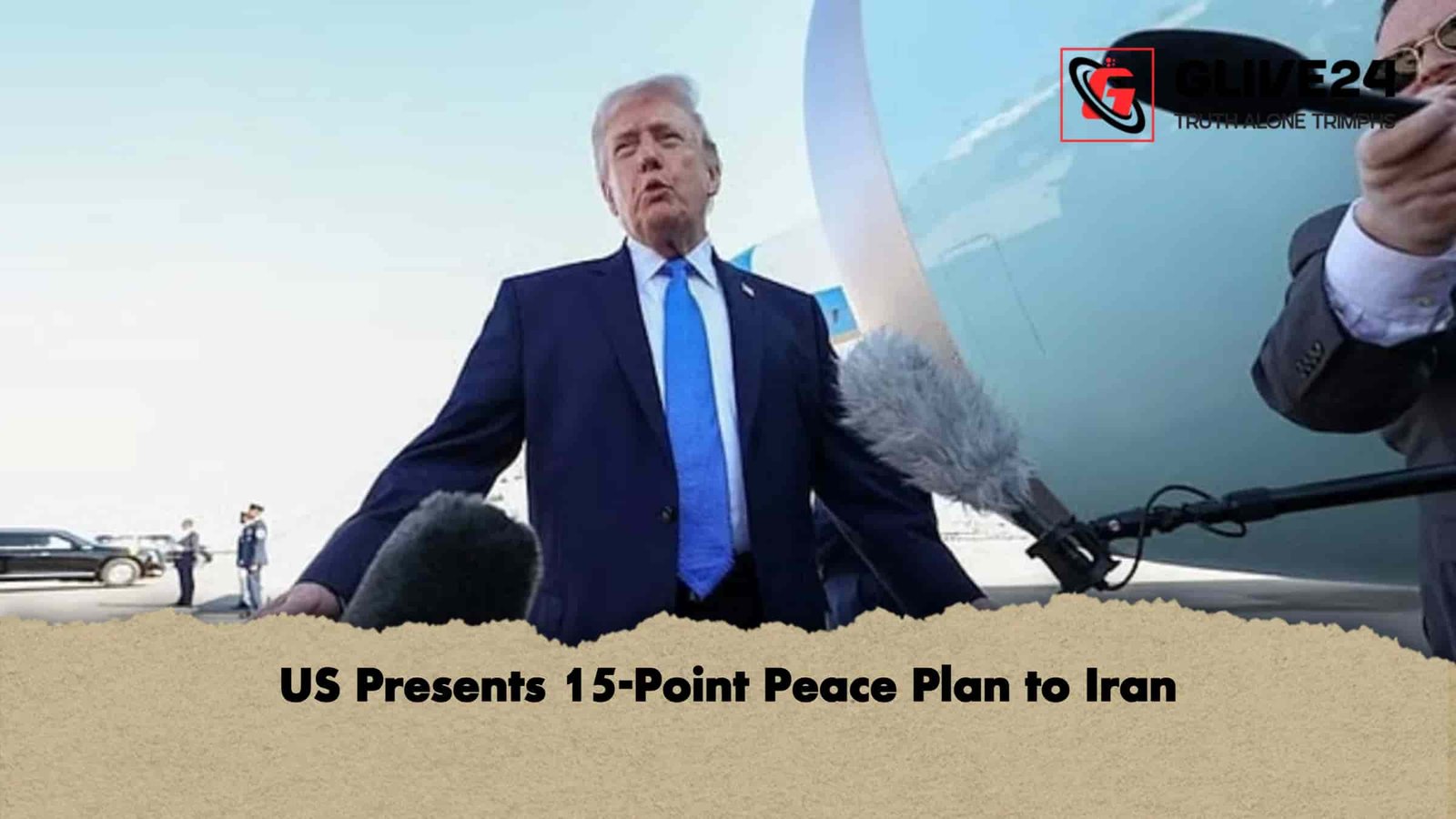
The United States has reportedly submitted a 15‑point peace and ceasefire proposal to Iran in an effort to halt the escalating conflict in the Middle East, according to multiple media outlets citing anonymous sources within US and Israeli administrations. The initiative comes as hostilities enter their fourth week, heightening international concerns over regional stability and global security.
Table of Contents
Mediation via Pakistan
Reports indicate that Pakistan facilitated the transmission of the proposal and has offered to host potential peace talks. Pakistan’s Prime Minister stated that the country “fully supports ongoing efforts to pursue dialogue to end the war.” While Islamabad’s involvement signals a regional push for diplomacy, Tehran has not publicly confirmed participation in formal negotiations, and Iranian officials have dismissed claims of direct engagement with Washington as unfounded.
Reported Key Provisions
Although the full text of the 15‑point plan has not been released, some key measures have been outlined by Israeli broadcaster Channel 12 and other sources:
- Maritime Security: Ensuring the Strait of Hormuz remains open as a free and secure maritime corridor for international shipping.
- Nuclear Disarmament: Complete dismantling of Iran’s nuclear weapons programme, including cessation of uranium enrichment.
- Curbing Proxy Activities: Halting financial and military support for allied non‑state actors across the region, including Hezbollah and Hamas.
In exchange, the United States is reported to offer comprehensive sanctions relief, removal of “snapback” mechanisms that could reinstate previous UN sanctions, and assistance with civilian nuclear energy development.
Verification and Official Statements
The British Broadcasting Corporation (BBC) has noted that it has not yet seen any official documentation of the proposal and is attempting to verify its authenticity. Iranian authorities have publicly denied engaging in substantive talks with the United States, calling reports of direct negotiations inaccurate.
Strategic Context
The plan emerges amid intensified conflict, including US and Israeli airstrikes, Iranian missile and drone attacks, and temporary disruptions to shipping through the Strait of Hormuz. Regional actors and global powers continue to urge diplomatic engagement to prevent further escalation, highlighting the high stakes of the ongoing hostilities.
Summary of Reported Terms
| Component | Description |
|---|---|
| Maritime Security | Strait of Hormuz open to international shipping |
| Nuclear Disarmament | Dismantling of nuclear weapons, halt of uranium enrichment |
| Proxy Support Halt | End backing of allied regional armed groups |
| Sanctions Relief | Removal of economic sanctions against Iran |
| Civil Nuclear Cooperation | Assistance with Iranian civilian nuclear projects |
| Snapback Mechanism Removal | Elimination of threat of reinstating past UN sanctions |
While details remain unconfirmed, the plan reflects a strategy combining security guarantees, nuclear limitations, and economic incentives designed to encourage Tehran to engage in dialogue with Washington. The international community continues to monitor developments closely, emphasising diplomacy over military escalation.