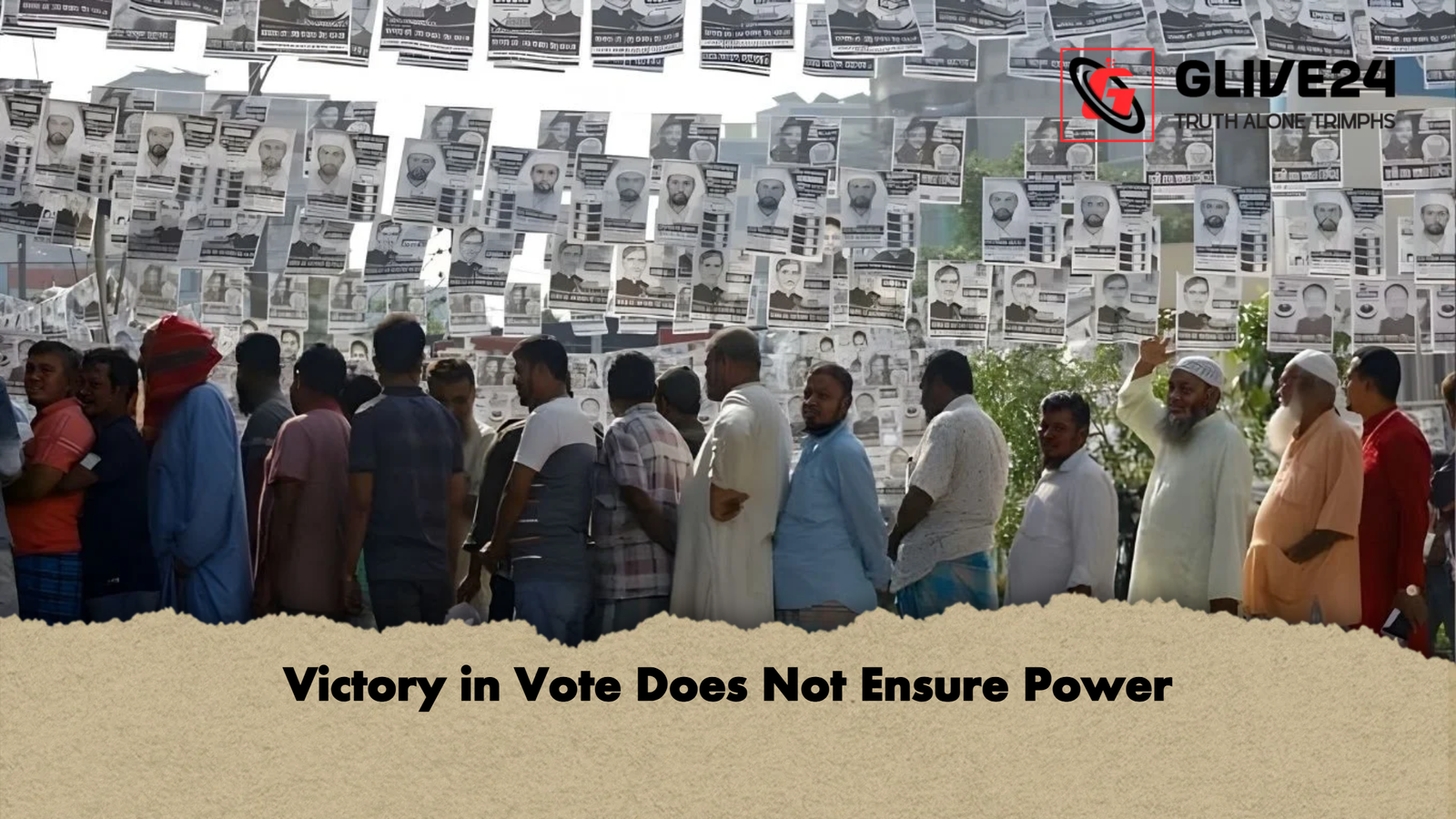
The upcoming election in Bangladesh represents a departure from conventional electoral processes. Unlike previous contests, victory at the ballot box will not automatically confer the authority to form a government. Instead, this election primarily serves to establish a People’s Assembly, which will spearhead the drafting of a new national constitution.
The head of the winning coalition will have the chief responsibility of guiding the Assembly in its constitutional mandate. This includes ensuring the legal and political legitimisation of decisions made during Dr. Muhammad Yunus’s tenure, as well as guaranteeing amnesty for participants of the July Movement. In effect, this election is not a direct transfer of governmental power but rather a historic step in restructuring the nation’s political framework.
Once the new constitution is ratified, a subsequent general election will determine the composition of the government, and only then will full executive powers be assigned. Thus, in the current context, an electoral victory symbolises the commencement of transitional responsibilities rather than immediate authority.
Dr. Yunus, leading this unique election, has emphasised that the People’s Assembly will play a central role in maintaining constitutional stability and political balance. According to Dr. Ali Riaz, his special assistant and an international political analyst, the new constitution will include a provision titled “People’s Assembly Time”, which ensures that any government prior to full ratification will operate under limited powers. The primary duties during this period include:
| Key Transitional Responsibilities | Description |
|---|---|
| Drafting and passing the new constitution | Ensuring that the legislative framework reflects broad-based consensus and legal soundness |
| Amnesty for July Movement participants | Providing legal protection for activists and political participants involved in prior movements |
| Transparent and accountable governance | Administering state functions with fairness, accountability, and adherence to rule of law |
The July Movement remains the principal driving force in the current political landscape. Its momentum has effectively sidelined the Awami League from the immediate electoral process while simultaneously creating a feasible path for the BNP and other coalitions to achieve numerical majority. Yet, even a majority in this election does not translate into instant governmental control, as the constitution and interim arrangements remain decisive.
In summary, this election should be viewed not as an ultimate destination, but as a critical transitional stage. The success of this process will directly influence the structure, stability, and authority of the government that will eventually emerge under the new constitutional order.