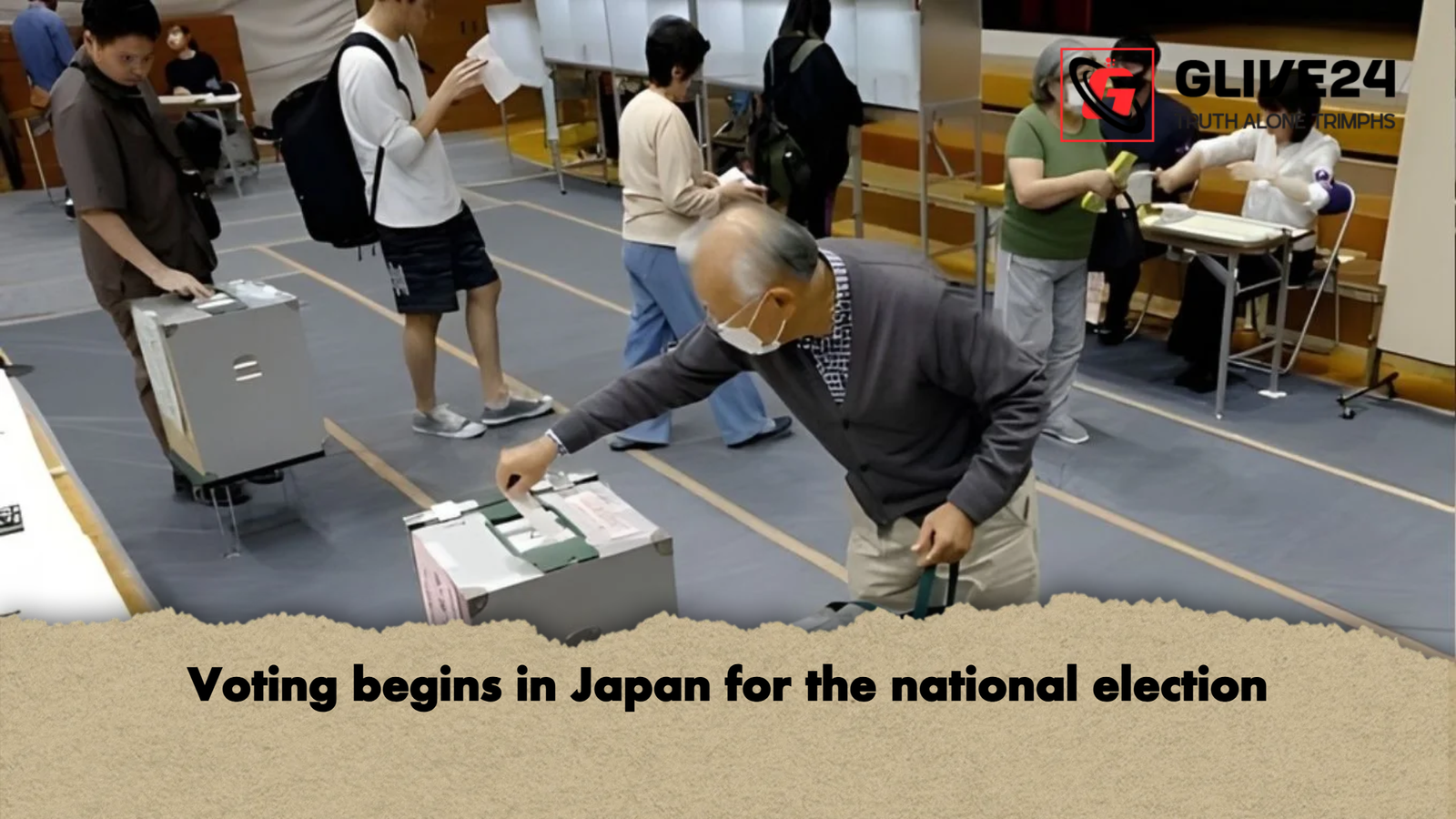
Voting has officially commenced in Japan’s national election, with polls opening at 8:00 a.m. local time on Sunday, 8 February. Citizens across the country are heading to polling stations to cast their ballots for the lower house of the Japanese Parliament.
A total of 1,284 candidates are contesting for 465 seats in the lower house, making this one of the most closely watched elections in recent years. The outcome will determine which party holds a parliamentary majority and, consequently, who will govern the country.
The election follows the dissolution of the lower house on 23 January by Prime Minister Sanae Takai, who also set 8 February as the date for the early election. Takai made history last October by becoming Japan’s first female prime minister. Since assuming office, her party, the Liberal Democratic Party (LDP), has held only a narrow majority in the lower house. Seeking a stronger mandate, Takai decided to call the election shortly after taking office.
The main contest is expected to be between Takai’s LDP and the Japan Innovation Party, which has been positioning itself as a formidable challenger. Analysts believe the results will not only confirm which party can form the next government but also decide Takai’s political future as prime minister.
Polling stations across the country will remain open until 8:00 p.m., and vote counting is expected to continue throughout the night. The 465 seats in the lower house are divided between directly elected members and those chosen through proportional representation.
| Seat Type | Number of Seats | Election Method |
|---|---|---|
| Single-member districts | 289 | Direct vote from individual constituencies |
| Regional proportional representation | 176 | Elected based on votes in 11 regional blocks |
| Total | 465 | — |
Recent opinion polls indicate that the LDP is likely to retain the largest number of seats, though the margin of victory may be narrow. Political observers are closely monitoring turnout, as the results will not only shape parliamentary dynamics but also test Takai’s popularity and her ability to consolidate power.
As Japan proceeds with this historic election, all eyes are on whether the country’s first female prime minister will secure the mandate she seeks and how the balance of power in the lower house will shift.