
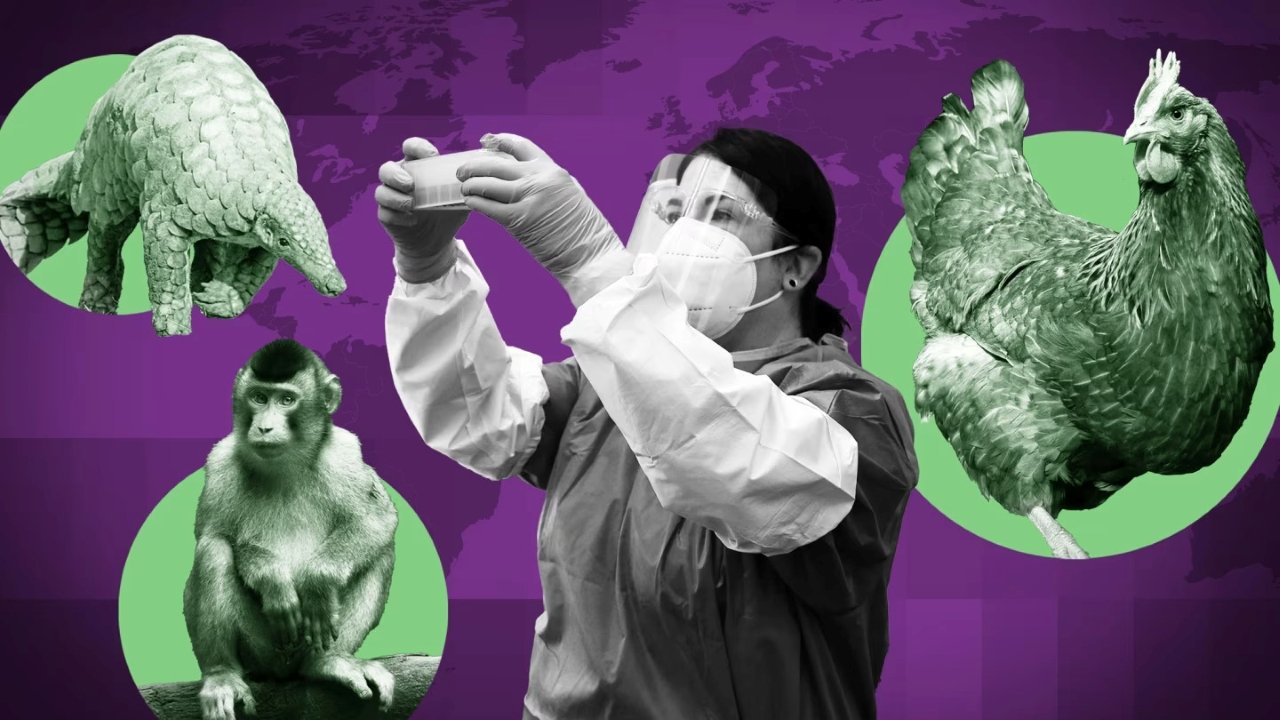
The World Health Organization (WHO) is seeking to assemble a global panel of leading scientific experts to investigate high-risk pathogens that spill over from animals to humans and have the potential to trigger future pandemics. The initiative reflects growing concern that emerging zoonotic diseases—those transmitted from animals to people—pose an increasing threat in an interconnected world marked by intensive agriculture, wildlife trade, urban expansion, and climate change.
As part of this effort, the WHO will issue a formal call for applications to recruit specialists to review progress on ongoing studies into the origins of SARS-CoV-2, the virus responsible for COVID-19, and to guide future investigations into similar threats. Maria van Kerkhove, head of the WHO’s Emerging Diseases and Zoonosis Unit, told Reuters that the organisation wants to bring together “the best minds” to ensure that investigations are rigorous, objective, and scientifically robust.
The expert panel is expected to consist of around 25 members drawn from a wide range of disciplines, including virology, epidemiology, animal health, environmental science, and biosecurity. According to WHO Director-General Dr Tedros Adhanom Ghebreyesus, the group is scheduled to hold its first virtual meeting in late September. Its mandate will extend beyond COVID-19 to examine how dangerous pathogens emerge, adapt, and cross species barriers.
Van Kerkhove noted that over the past two decades the world has witnessed repeated outbreaks of zoonotic diseases, underlining the urgency of this work. “We have seen SARS, MERS, various strains of avian influenza, Zika, yellow fever, and most recently COVID-19,” she said. She also pointed to the complexity of tracing disease origins, noting that it took more than a year to establish that dromedary camels were the intermediate hosts for MERS, which is ultimately linked to bats.
The WHO has emphasised that this initiative builds on existing work rather than starting from scratch. Previous expert groups examined similar questions but often in a fragmented or region-specific manner. By contrast, the new panel aims to adopt a comprehensive, global approach that considers ecological, biological, and geopolitical factors simultaneously. Officials have stressed the importance of establishing a strong scientific framework now, as future pandemics are widely considered inevitable.
A WHO-led study conducted in Wuhan concluded that SARS-CoV-2 most likely reached humans via an intermediate animal host, though it acknowledged that further research is required. The organisation has repeatedly called on all countries to cooperate fully with investigations. However, progress has been hindered by limited access to early data and by China’s rejection of further inspections of laboratories and markets.
The WHO maintains that understanding how pathogens jump from animals to humans is essential not only for resolving past outbreaks, but also for preventing the next global health crisis.
Examples of Major Zoonotic Disease Outbreaks
| Disease | Likely Animal Source | Year Identified |
|---|---|---|
| SARS | Bats (via civet cats) | 2002 |
| MERS | Bats (via camels) | 2012 |
| Avian Influenza | Birds | Various |
| Zika | Primates (via mosquitoes) | 1947 |
| COVID-19 | Likely bats (via intermediary) | 2019 |
By strengthening international scientific collaboration, the WHO hopes to close critical knowledge gaps and improve global preparedness against emerging zoonotic threats.