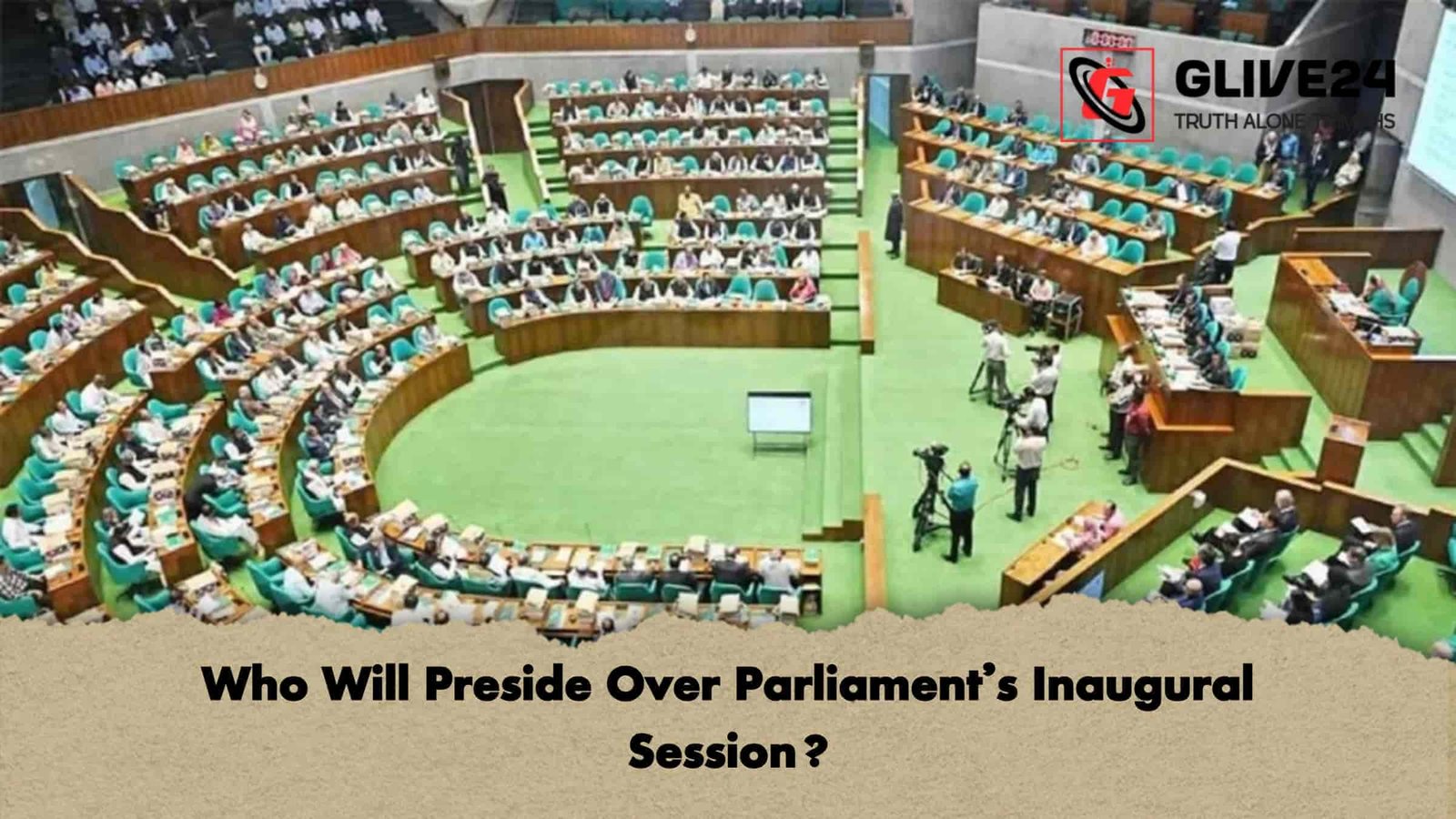
The first session of the Thirteenth National Parliament is scheduled to convene on 12 March, generating significant political interest and public anticipation. A focal point of discussion is who will preside over the initial sitting, a question that has captured attention across the political spectrum.
According to constitutional provisions, the President must summon the first session of Parliament within 30 days of the official gazetting of the general election results. In adherence to this requirement, the 12 March date has been formally fixed. Salahuddin Ahmed, Minister of Home Affairs and a standing committee member of the Bangladesh Nationalist Party (BNP), stated that the Parliamentary Secretariat will submit a comprehensive report to the President through the Prime Minister’s office, following which the President, acting on the Prime Minister’s advice, will convene the session.
The agenda for the opening day includes the election of the Speaker and Deputy Speaker, nomination of a five-member presiding panel, presentation of condolence motions, and the formal submission of ordinances enacted during the interim government. However, the question of presiding authority has become complex. The Speaker of the outgoing Twelfth Parliament has resigned, while the Deputy Speaker is currently detained, leaving both offices unable to assume responsibility.
Parliamentary rules stipulate that in the absence of the Speaker and Deputy Speaker, a member nominated by the President may preside. Historical precedent exists: following the first parliamentary elections in 1973, senior members from both the ruling and opposition parties were appointed to chair the inaugural sitting. Sources indicate that a similarly experienced and senior member is likely to be entrusted with presiding over this first meeting.
Leaders from opposition parties, including colleagues of Dr Shafiqur Rahman, Amir of Bangladesh Jamaat-e-Islami, have indicated that they will fully cooperate if the government takes the initiative. They emphasised the importance of maintaining the dignity of Parliament and upholding democratic practice.
Constitutionally, the President, Md. Sahabuddin, will deliver the opening address. This speech, prepared with Cabinet approval, will outline the government’s policies and future agenda. Following the address, the session will be adjourned, with detailed discussion on the motion of thanks scheduled for subsequent sittings.
According to the official gazette, the election returned 297 seats, with the BNP winning 209 and Jamaat-e-Islami securing 68. Other parties and independent members occupy the remaining 20 seats.
Summary of Election Results
| Party Name | Seats Won |
|---|---|
| Bangladesh Nationalist Party | 209 |
| Bangladesh Jamaat-e-Islami | 68 |
| Other Parties & Independents | 20 |
| Total | 297 |
Political analysts suggest that the presence of a comparatively strong opposition for the first time in several years may make this parliamentary session particularly vibrant and productive. They anticipate constructive debates on national issues and increased accountability in government deliberations, enhancing the overall dynamism of parliamentary proceedings.