
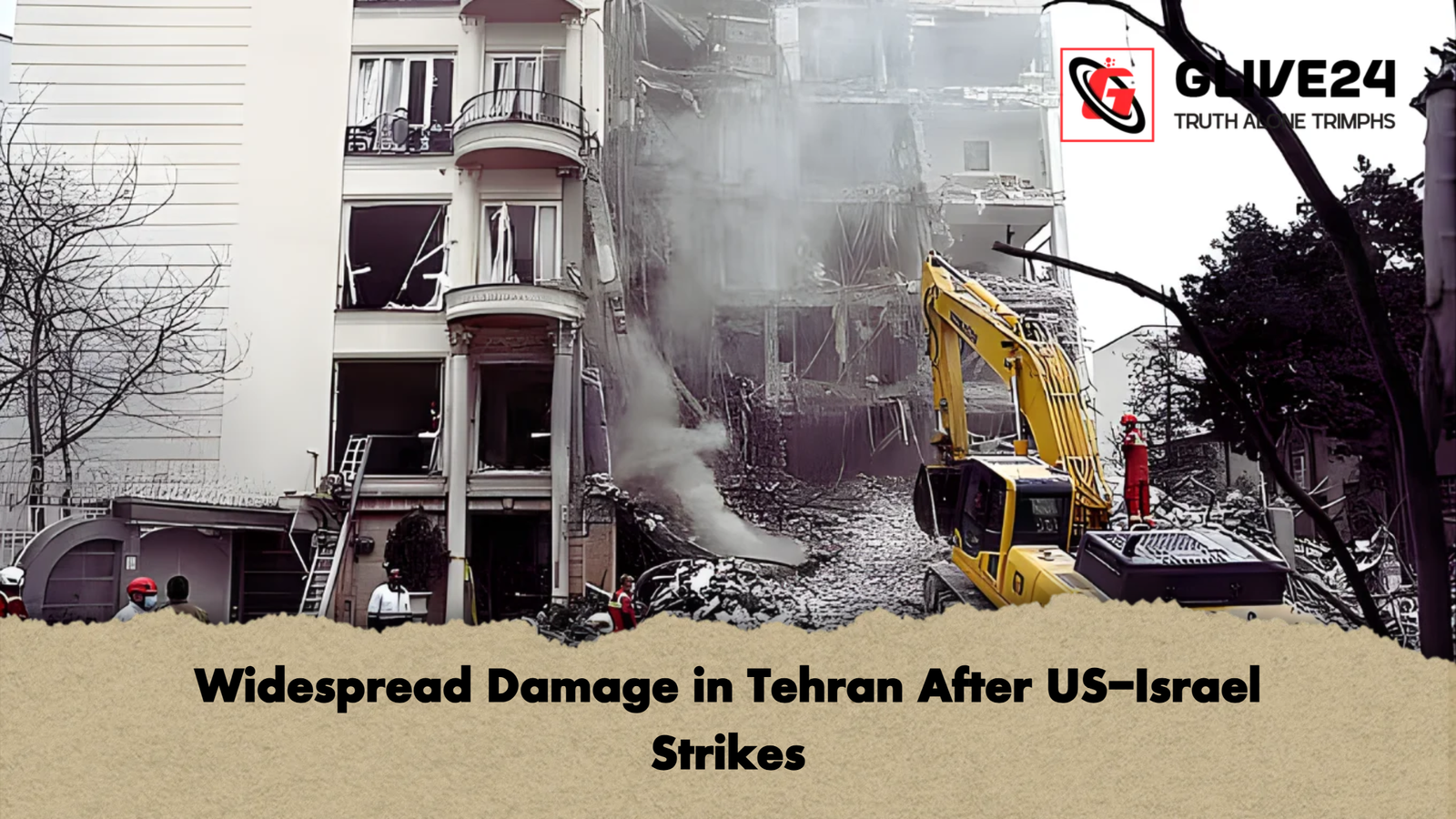
In the Iranian capital of Tehran, recent joint strikes by the United States and Israel have resulted in extensive residential damage, affecting approximately 33,000 homes, city mayoral spokesperson Abdulmohor Mohammadkhani has confirmed.
According to Mohammadkhani, the scale of damage varies widely. Some properties require minor repairs, such as replacing broken glass, doors, or windows, while others face major structural issues that necessitate partial or complete reconstruction. The spokesperson stressed that the restoration process will be complex and long-term for many affected households.
As a result of the attacks, a significant number of families have been displaced. Reports indicate that 1,869 families have been forced to leave their homes, while another 1,245 families have been relocated to 23 designated residential complexes across the city. These temporary accommodations are equipped with essential facilities, including food, water, and basic healthcare, to support displaced residents.
The Tehran municipality has already initiated repair efforts, with more than 4,000 homes currently under reconstruction, funded either through municipal resources or emergency financial aid. Officials emphasise that the priority is to restore living conditions quickly while addressing urgent structural safety concerns.
A preliminary assessment by municipal authorities categorises the damages as follows:
| Type of Damage | Number of Homes | Notes |
|---|---|---|
| Minor repairs (glass, doors, windows) | 20,500 | Can be repaired rapidly |
| Major repairs / partial reconstruction | 9,700 | May take several weeks |
| Full reconstruction required | 2,800 | Long-term project anticipated |
Mohammadkhani highlighted that beyond physical damage, the psychological and social impact on the city’s residents is considerable. Families displaced from their homes face stress and uncertainty, prompting municipal authorities to provide mental health support and community services.
Furthermore, key urban infrastructure, including electricity, water supply, and roads, has sustained partial damage, and immediate repair efforts are underway to prevent further disruption to daily life. Experts warn that the long-term recovery of Tehran will depend not only on structural rehabilitation but also on coordinated social and logistical support for affected communities.
The municipality continues to carry out detailed surveys of damaged areas, aiming to ensure that each household receives appropriate assistance. With repair and restoration initiatives ongoing, officials remain committed to gradually returning the city to normalcy while mitigating the hardships faced by thousands of residents.
In summary, the US-Israel strikes have caused profound damage to Tehran’s residential landscape, displacing thousands and challenging city authorities to respond swiftly with both emergency relief and long-term reconstruction efforts.