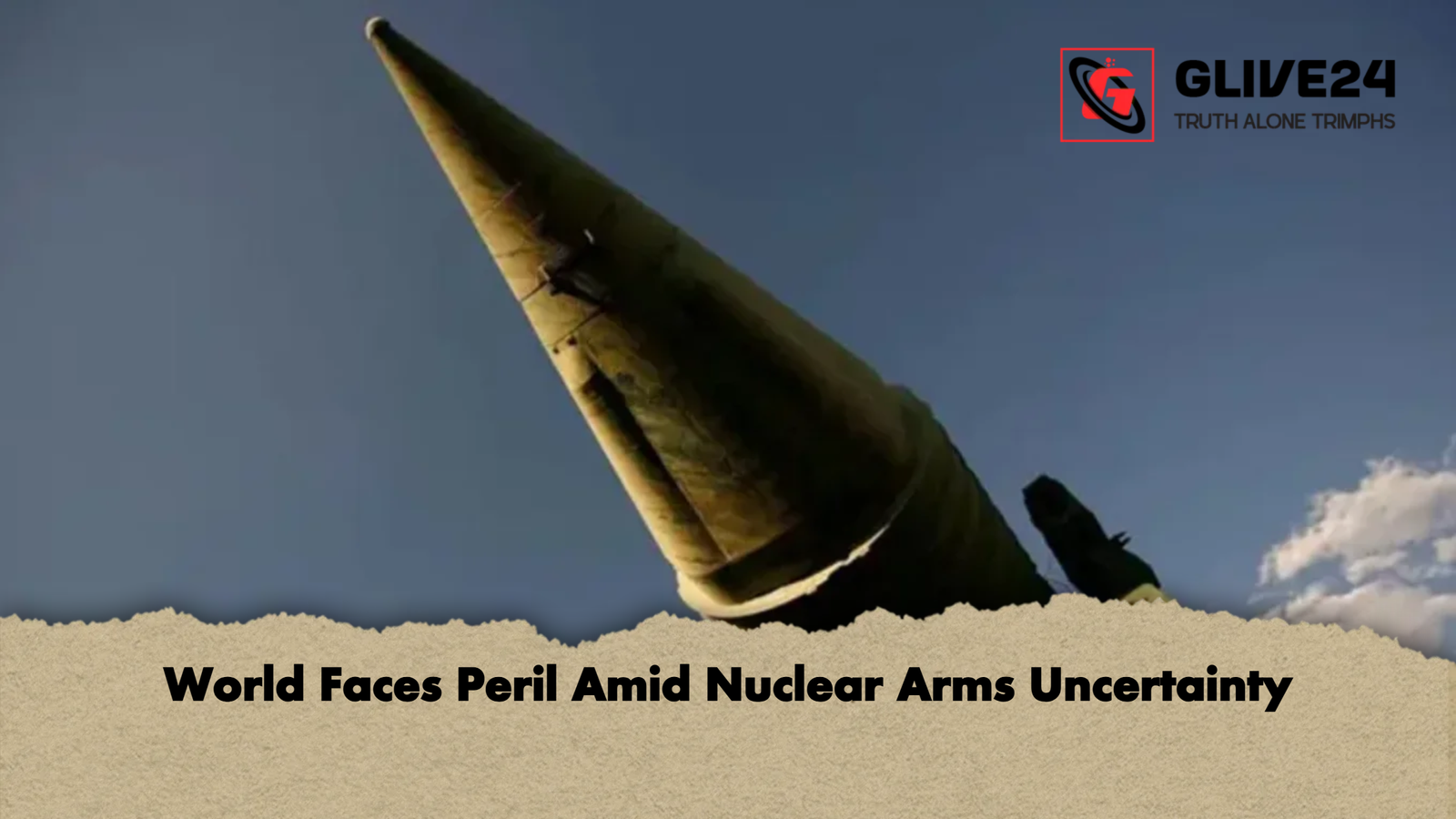
The latest nuclear arms control treaty between the United States and Russia officially expired on Thursday, 5 February 2026, removing decades-old restrictions on the number of deployed nuclear warheads for both nations. Analysts warn that the lapse could ignite a new era of global arms competition, raising profound concerns about international security.
The treaty in question, the New START Agreement, formally lost its legal effect at midnight Greenwich Mean Time, or 7 p.m. in New York. Russian President Vladimir Putin had proposed extending the treaty’s limitations for an additional year, but the United States, under President Donald Trump, declined to accept the offer.
Speaking on the situation, United Nations Secretary-General António Guterres described the expiry as a “terrifying moment for global peace and security” and called for urgent dialogue between the two nuclear powers. Guterres noted: “For the first time in more than half a century, we are facing a world in which the strategic nuclear arsenals of Russia and the United States are no longer subject to mandatory limits.”
He further warned that the dissolution of decades of arms control could not have come at a worse time. The risk of nuclear weapon use is now the highest it has been in several decades, particularly amid ongoing geopolitical tensions. Guterres also highlighted early indications of non-strategic nuclear weapon deployment in the Ukraine conflict, emphasising the heightened dangers of miscalculation.
Meanwhile, Russia’s Ministry of Foreign Affairs stated that, following the treaty’s expiration, both countries are no longer bound by reciprocal declarations or restrictions. In an official statement, the ministry asserted: “Russia seeks to act responsibly and prudently; however, should national security be threatened, decisive countermeasures will be taken.”
The lapse has reignited discussions among defence analysts and policymakers about the modernisation of nuclear arsenals, the possibility of new treaties, and the escalation of strategic posturing. Experts caution that without renewed international agreements, the strategic stability maintained for decades could quickly unravel.
The following table summarises the key aspects of the New START Treaty and the current status following its expiration:
| Aspect | Details | Post-Expiration Status |
|---|---|---|
| Treaty Name | New START (Strategic Arms Reduction Treaty) | Expired 5 February 2026 |
| Participating Countries | United States, Russia | Same |
| Strategic Systems Covered | ICBMs, SLBMs, Heavy Bombers | No binding limits |
| Maximum Deployed Warheads | US: 1,550; Russia: 1,550 | Limit removed |
| Verification Measures | On-site inspections, data exchanges | No legal obligation |
| Duration | Originally until 5 Feb 2026 | Expired |
Analysts highlight that the treaty’s expiration comes at a time of heightened geopolitical instability, particularly in Eastern Europe and other strategic regions. The international community faces mounting pressure to initiate fresh negotiations to prevent an uncontrolled arms race and ensure that the world does not slide into a new era of nuclear insecurity.
With no binding constraints on their arsenals, the United States and Russia now operate in an unprecedented strategic environment, prompting urgent calls for diplomacy to avert potential catastrophe.