
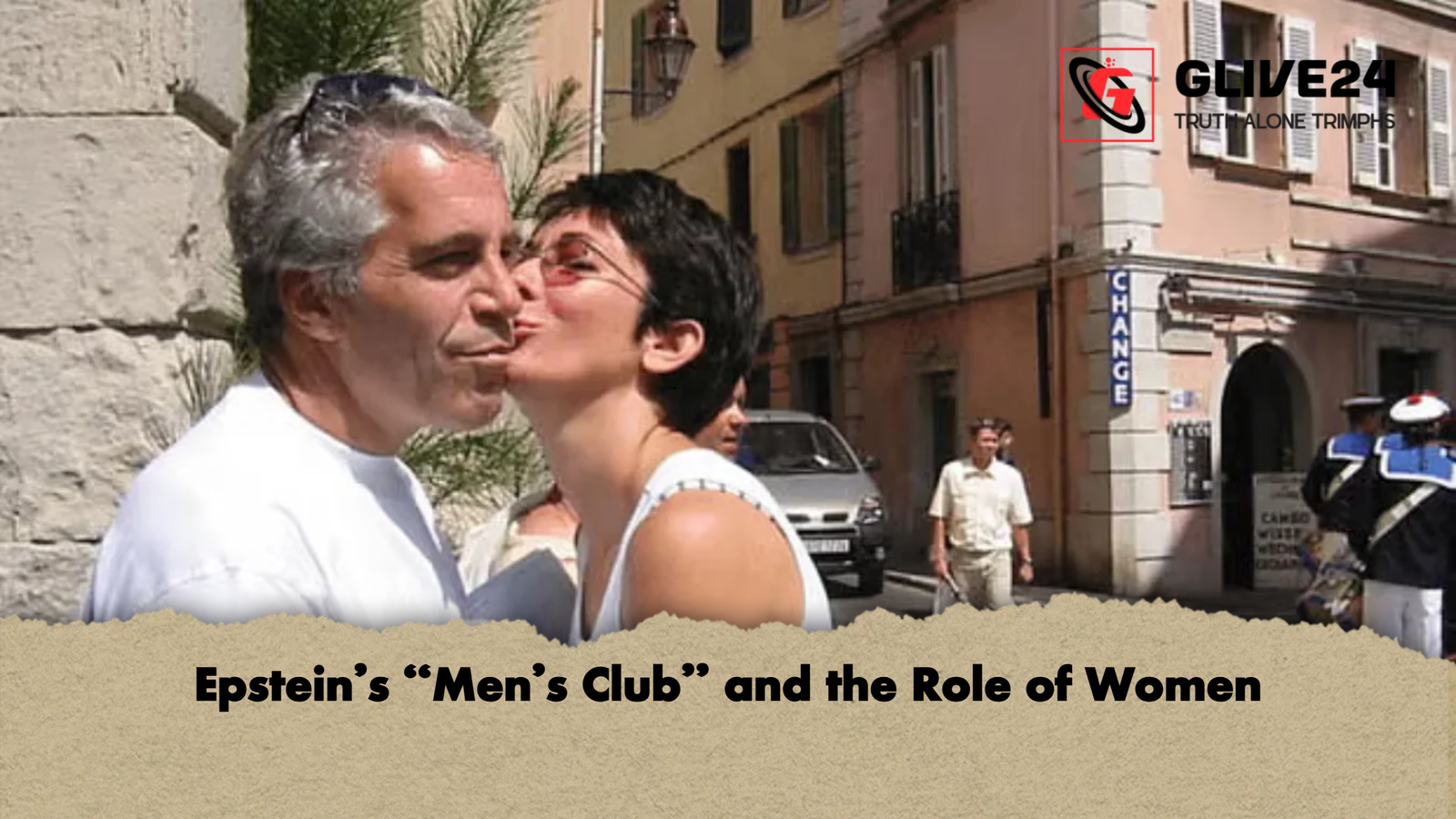
The United States Department of Justice has released millions of emails linked to the notorious convicted sex offender Jeffrey Epstein. From this vast archive, The Guardian selected a randomly chosen email that sheds chilling light on the dynamics of Epstein’s social and professional circles.
Dated a Saturday evening in February 2013, the email was addressed to an assistant of Microsoft founder Bill Gates and contained the guest list for a dinner organised by Epstein. The email begins with the line: “For Bill.” It then lists ten influential men, including:
| Name | Position/Role | Notes on Influence |
|---|---|---|
| Ban Ki-moon | UN Secretary-General | Global political authority |
| Woody Allen | Film director | Cultural influence |
| Prime Minister of Qatar | State leader | Regional political power |
| Two Harvard academics | Scholars | Academic prestige |
| CEO of Hyatt Hotels | Business magnate | Economic clout |
| White House communications director | Government official | Policy and network influence |
| Former US Secretary of Defense | Government leader | Security and strategic power |
After enumerating the ten men, Epstein adds a single woman: “Anne Hathaway (really).” The parenthetical “really” underscores that this inclusion is serious rather than a joke—a reflection of the exceptional rarity of a woman sitting at a table with these powerful men. The email concludes somewhat hesitantly with the question: “Victoria’s Secret models?” and asks, “Which of these guests do you think Bill will most enjoy?”—revealing the transactional and objectifying lens through which women were viewed.
Epstein’s emails provide a stark portrayal of male dominance. They illustrate a world where wealth and power are overwhelmingly concentrated among men, while women are relegated to decorative or functional roles: arranging meals, attending to the men’s entertainment, or serving as sexual companions.
Epstein’s network operated through carefully curated communications. Emails to male associates often concerned strategic alliances, events, or opportunities for influence—such as the invitation to Thorvald Yagland, chair of the Nobel Peace Prize Committee, with the suggestion: “He may be attractive to you.” In contrast, emails to women frequently contained sexualised or controlling language.
Women in Epstein’s orbit were treated as instruments for service and pleasure. They were instructed on weight, dental procedures, sexually transmitted disease testing, and even facial appearance alterations. For instance, in July 2017, Epstein advised a young woman to see a doctor to reduce the size of her nose before turning 23.
Epstein’s long-time executive assistant, Leslie Groff, managed the logistics of these events, including scheduling, meal preparation, and arranging women’s presence. Groff also coordinated with assistants of other powerful figures, such as Elon Musk and Richard Branson, to understand the preferences of their employers.
The emails reveal persistent misogyny, objectification, and control. They document Epstein’s irritation with women, even those in intimate relationships, for failing to conform to his expectations. Women were expected to prioritise male pleasure, comply with arbitrary rules, and perform emotional and sexual labour under duress.
Collectively, these communications illuminate the operation of a deeply patriarchal system in the modern elite, where men wield power, women are marginalised, and influence is perpetuated through networks of control, privilege, and exploitation. For researchers and the public alike, Epstein’s files provide both a horrifying record of abuse and a stark lens on contemporary gendered power structures.