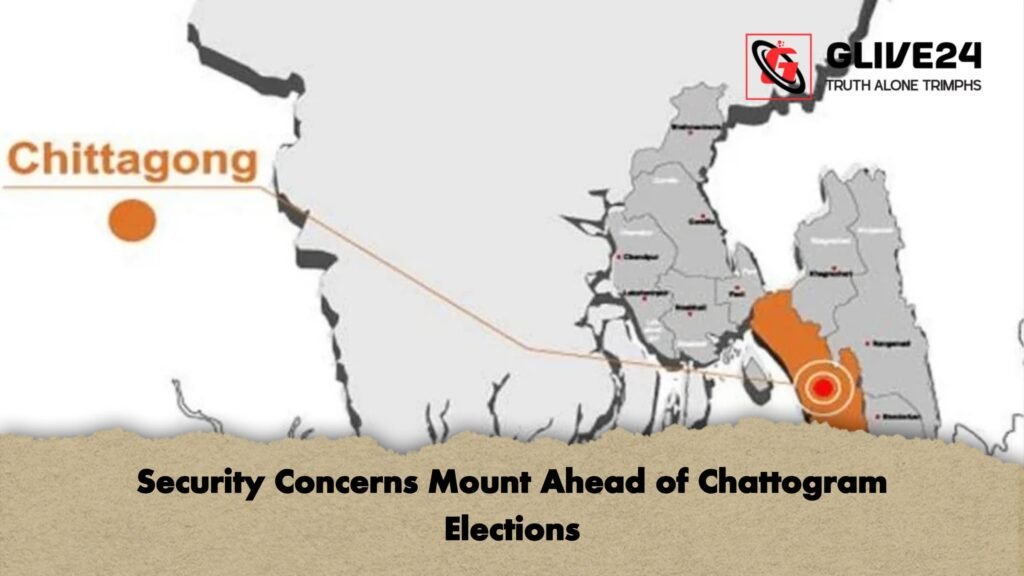
As the nation approaches the critical juncture of the general election, an extensive investigation across the 16 parliamentary constituencies of Chattogram district has revealed significant disparities in electoral preparedness and security infrastructure. Out of 1,965 polling stations, authorities have officially designated 1,291 as “vulnerable” or “at-risk,” highlighting a precarious security environment.
Table of Contents
A Landscape of Strategic Risk
The classification of these centres as “vulnerable” is based on several socio-political factors, including the proximity of candidates’ residences, historical tendencies for unrest, and geographical accessibility. In metropolitan areas, 312 centres are considered ultra-vulnerable, while the broader district contains 344 high-risk sites.
Despite assurances from law enforcement, on-the-ground inspections suggest a disjointed state of readiness. While some urban centres boast comprehensive surveillance, many rural and coastal stations lack basic physical security features, such as perimeter walls.
Regional Security and Infrastructure Overview
| Constituency/Area | Total Centres | Vulnerable Centres | Security Observations |
| Chattogram Metro | – | 312 | High CCTV presence; narrow access routes. |
| Chattogram District | 1,965 (Total) | 1,291 | Mixed CCTV coverage; boundary walls missing. |
| Anwara | – | 26 | History of ballot burning; high risk of hijacking. |
| Sandwip | 83 | 24 | Coastal isolation; minimal police presence. |
| Sitakunda | 108 | 48 | Heavy police presence; lack of queue management. |
Localised Dispatches: Preparation vs Reality
The Urban Bottleneck (Chattogram-10):
At the Modern Ideal School in the Arakan Housing Society, a centre catering to 2,349 voters, the logistical hurdles are palpable. The facility, tucked away in a densely populated residential zone, lacks vehicular access. Voters must navigate narrow alleyways, which poses a significant risk for crowd control and emergency evacuation. While CCTV is active, the physical constraints of the site remain a concern.
Infrastructure Deficits in Lohagara:
At the Tayyab Ashraf Government Primary School, a site notorious for electoral violence, preparations were found to be lagging. On the eve of the polls, the facility was still undergoing basic electrical repairs. Critically, no CCTV had been installed by Tuesday afternoon, and election officials admitted they would have to use temporary cloth partitions to create makeshift booths due to a severe shortage of permanent rooms.
The Coastal Frontier (Anwara & Sandwip):
Anwara presents a unique challenge where geographical remoteness historically invites “booth capturing.” Following the burning of ballot boxes in the previous election, 26 centres have been fitted with cameras. However, in the offshore island of Sandwip, despite the installation of surveillance, the conspicuous absence of law enforcement personnel on-site has raised eyebrows among local residents.
Industrial Hubs (Sitakunda & Mirsarai):
In Sitakunda, where every single one of the 108 centres is considered “important,” police activity is much higher. Conversely, in Mirsarai, at the Baratakia Zahedia Dakhil Madrasa, officials were seen frantically planning the layout of nine booths just hours before the commencement of the vote, citing the area’s political volatility as a primary concern.
Official Stance
Mr Russell, the Additional Superintendent of Police (DB and Industrial), stated that a bespoke security plan is in motion, with 999 CCTV cameras already deployed across the district. While the police maintain that forces will be stationed according to Election Commission mandates, the physical vulnerabilities of many school-based polling stations remain a daunting hurdle for a peaceful democratic process.