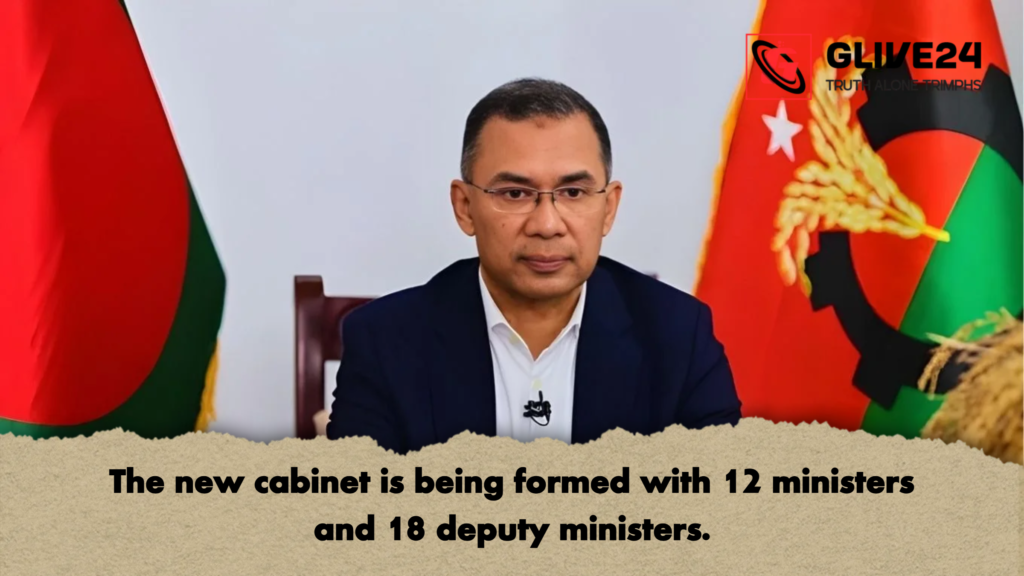
Following an emphatic victory in the 13th National Parliamentary Elections, the Bangladesh Nationalist Party (BNP) is returning to power for the fourth time after a hiatus of over two decades. Under the leadership of party chairman Tarique Rahman, the newly constituted cabinet is expected to blend experience and fresh talent, reflecting a carefully balanced approach between seniority and youthful dynamism.
An initial 30-member cabinet has been proposed, comprising 12 full ministers and 18 state ministers. Formal notification to the selected members will follow on Tuesday, 17 February, after the newly elected MPs take their oaths. While the announcement has generated widespread curiosity both domestically and internationally, the final roster remains confidential, reserved exclusively for the Prime Minister-designate.
According to reliable party sources, several veteran leaders and standing committee members may not feature in this cabinet. Tarique Rahman is reportedly prioritising competence, experience, and youth, adhering to the slogan “Bangladesh First” in his vision for national development.
Inclusive Representation and Technocrats
In addition to elected BNP MPs, at least four technocrats may be appointed to bring specialised expertise to key ministries. Coalition partners who actively participated in the street-level movements could also secure ministerial positions. To accommodate the new team, 37 official vehicles and an equal number of government residences have been prepared, indicating the cabinet could expand to around 40 members initially.
Prominent senior figures rumoured to be considered include Mirza Fakhrul Islam Alamgir, Khandakar Mosharraf Hossain, Abdul Moin Khan, and Mirza Abbas. However, there are suggestions that Mirza Fakhrul may prefer the role of parliamentary leader rather than a ministerial post.
Key portfolios such as Finance, Foreign Affairs, and Home Affairs are expected to go to experienced leaders like Ameer Khasru Mahmud Chowdhury, Salahuddin Ahmed, and Altaf Hossain Chowdhury. Meanwhile, discussions are ongoing to appoint promising young leaders like Sanjida Islam Tuli and Mahdi Amin under the technocrat quota. Among coalition partners, energetic figures such as Andalib Rahman Partha, Jonaid Saki, and Nurul Haque Nur may also be entrusted with important ministries.
Accountability and Parliamentary Focus
A hallmark of this administration is its commitment to parliamentary accountability. Tarique Rahman has emphasised that ministers will be directly answerable to the legislature. Plans are underway to appoint an experienced MP as parliamentary leader to enhance legislative vibrancy and ensure government actions remain transparent and accountable.
Although this is the first time since 2001 that the BNP will form a government solely on its own, the party intends to offer an inclusive administration in the interest of national unity. At 4 PM, the President, Md. Sahabuddin, will administer the oath at the South Plaza of the National Parliament House, marking the inauguration of a new Prime Minister and a cabinet prepared to tackle 21st-century challenges.
Preliminary Cabinet Structure (Proposed)
| Category | Number | Key Figures (Rumoured) |
|---|---|---|
| Full Ministers | 12 | Ameer Khasru Mahmud Chowdhury, Salahuddin Ahmed, Altaf Hossain Chowdhury |
| State Ministers | 18 | Coalition leaders: Andalib Rahman Partha, Jonaid Saki, Nurul Haque Nur |
| Technocrats (Special) | 4+ | Sanjida Islam Tuli, Mahdi Amin |
| Senior Party Leaders | – | Mirza Fakhrul Islam Alamgir, Khandakar Mosharraf Hossain, Abdul Moin Khan, Mirza Abbas |
This cabinet aims to combine experience, youthful energy, technocratic expertise, and coalition representation—reflecting a strategic and inclusive approach to governance.