
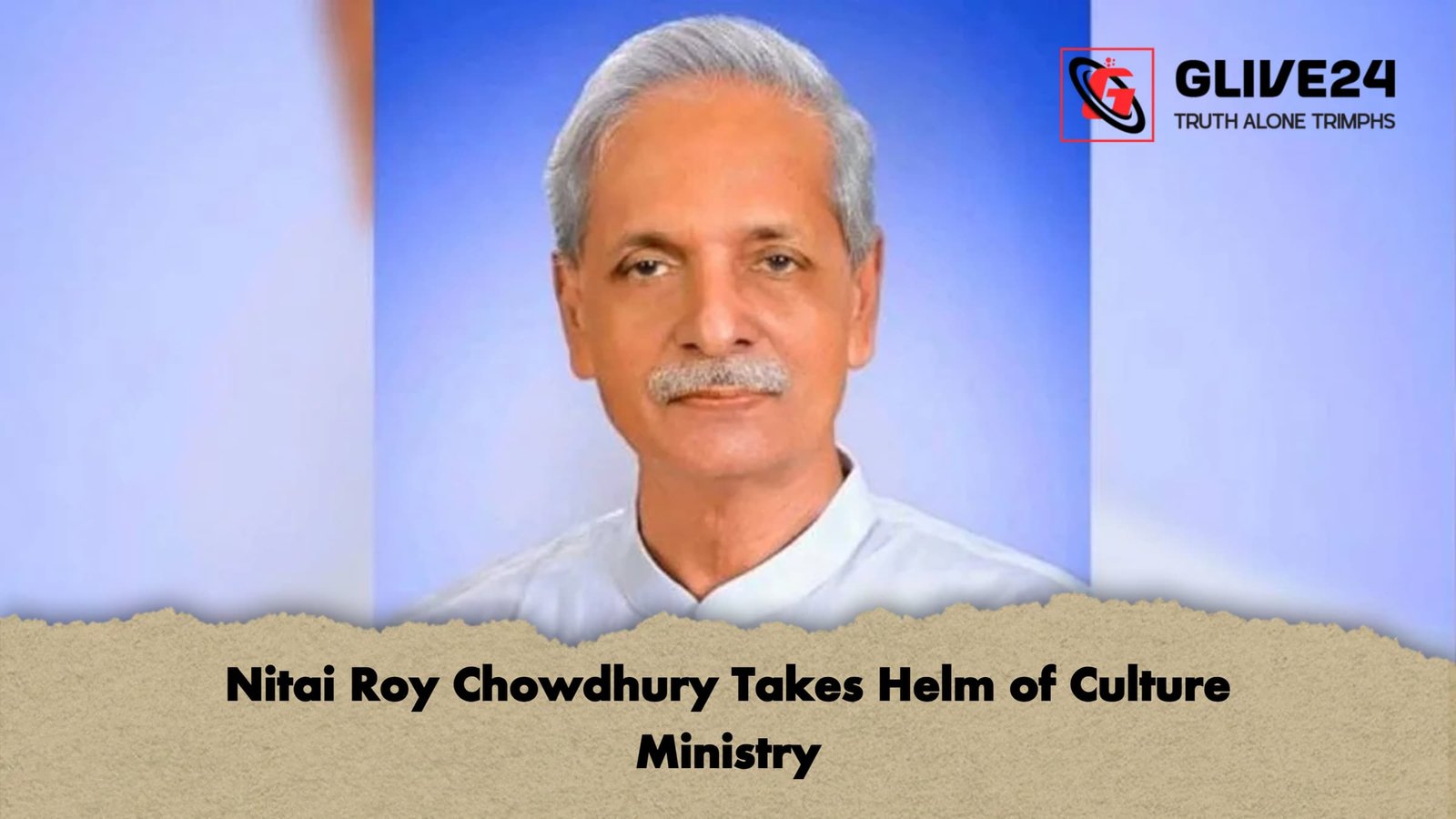
In the wake of the Thirteenth General Election, a seasoned hand has returned to the corridors of power. Advocate Nitai Roy Chowdhury, Vice Chairman of the Bangladesh Nationalist Party (BNP), has been officially appointed as the Minister of Cultural Affairs. Sworn in on Tuesday, 17 February 2026, his appointment marks a significant transition from the outgoing interim administration, where filmmaker Mostofa Sarwar Farooki previously oversaw the portfolio.
A Decisive Electoral Victory
Mr Chowdhury’s return to the front benches follows a hard-fought victory in his constituency. Securing 150,180 votes, he comfortably outpaced his nearest rival, Mushtarshed Billah, who garnered 117,807 votes. This win is particularly poignant for the veteran politician, ending a long drought of electoral setbacks dating back to the 1990s.
To assist in the ambitious task of revitalising the nation’s cultural landscape over the next five years, Ali Newaz Mahmud Khayyam has been appointed as the Minister of State for Cultural Affairs. Together, they face the challenge of bridging traditional heritage with modern artistic aspirations.
Profile of the Minister: Roots and Resilience
Born in 1949 in the village of Hatbaria, Magura, Nitai Roy Chowdhury’s political journey began during his student years. His family is deeply entrenched in the upper echelons of the BNP; his daughter, Nipun Roy Chowdhury, serves as the General Secretary of the Dhaka District BNP and is the daughter-in-law of BNP Standing Committee member Gayeshwar Chandra Roy, creating a formidable political alliance between the two families.
His career is a masterclass in political longevity, having served in various high-ranking capacities across different regimes:
| Period | Role | Government/Affiliation |
| 1988 | Member of Parliament (Magura-2) | Jatiya Party |
| 1990 (May–Sept) | Minister of State for Youth & Sports | Ershad Cabinet |
| 1990 (Sept–Dec) | Minister for Youth & Sports | Ershad Cabinet |
| Pre-2026 | Vice Chairman | BNP |
| 2026–Present | Minister of Cultural Affairs | BNP (13th Parliament) |
The Road Back to Magura-2
While Mr Chowdhury was a fixture of the Ershad era, the transition to parliamentary democracy saw him face several hurdles. Under the BNP banner, he contested the 2001, 2008, and 2018 elections, but failed to secure his seat. His recent triumph is being viewed by analysts as a “political resurrection,” reflecting a shift in the local electorate’s sentiment.
As he takes charge of the Ministry, the cultural sector awaits his policy direction. With his background as an advisor to the Hindu-Buddhist-Christian Welfare Front, many anticipate a focus on pluralism and the preservation of minority heritage sites, alongside the standard promotion of national arts and literature.