
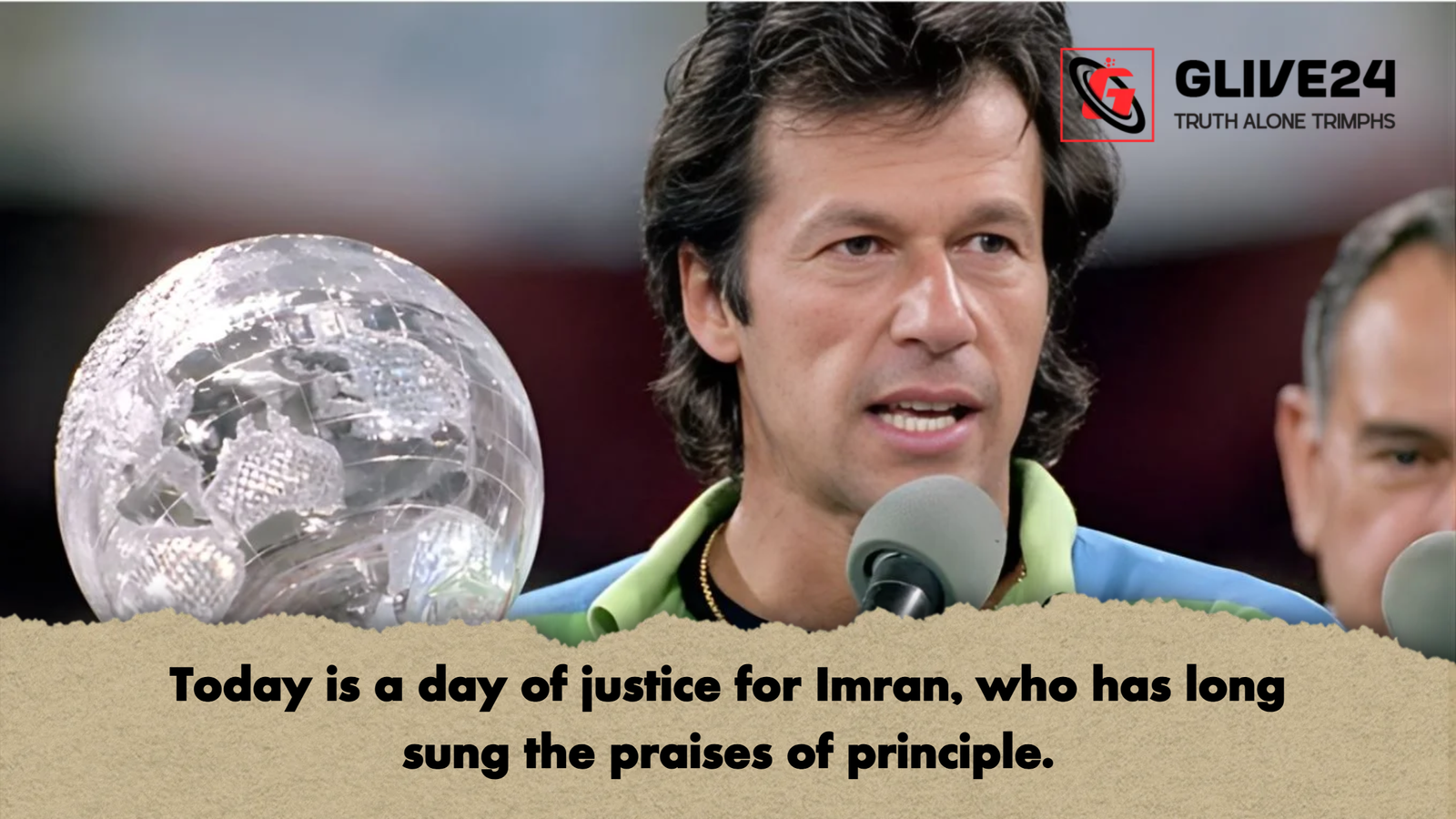
Concern is mounting across the cricketing world over the health and prison conditions of Pakistan’s former captain and ex-Prime Minister, Imran Khan. What began as domestic unease has now become an international appeal, as fourteen former international captains have written directly to Shehbaz Sharif urging that Khan be afforded “basic human dignity and appropriate medical care”.
The initiative was drafted by former Australia captain Greg Chappell and swiftly endorsed by an extraordinary roll-call of cricketing leaders: Ian Chappell, Sunil Gavaskar, Mike Brearley, Clive Lloyd, Kapil Dev, Allan Border, David Gower, Michael Atherton, Nasser Hussain, Steve Waugh, John Wright, Kim Hughes and Belinda Clark.
The Core Appeal
| Issue Raised | Details Reported | Request Made |
|---|---|---|
| Health concerns | Deteriorating condition; reported serious vision loss in right eye | Access to specialist medical treatment of his choosing |
| Prison conditions | Solitary confinement likened by rights groups to punitive isolation | Humane detention consistent with international standards |
| Legal process | Facing 186 cases since 2023 | Transparency and due process |
| Family access | Restricted contact | Permission for regular family visits |
Khan, now in his seventies, has been imprisoned since 2023 and is confronting 186 separate legal cases. Supporters argue that, given his age and the cumulative charges, the situation amounts in practice to a life sentence. Reports suggesting severe deterioration in his eyesight, particularly near-total loss of vision in one eye, have heightened alarm.
In a reflective column, Greg Chappell likened his intervention to that of a lighthouse keeper who must keep the beam alight during a storm. His words were not political in tone but moral in conviction. He recalled decades of rivalry and mutual respect with Khan, forged in the uncompromising theatre of Test cricket. To Chappell, Khan was never merely a formidable fast bowler or astute captain; he was a figure of immense will who inspired a nation.
That inspiration reached its zenith when Khan led Pakistan to victory at the 1992 Cricket World Cup. Rather than retreat into personal glory, he toured the country with the trophy, urging Pakistanis to believe in their own potential. It was during that period, Chappell suggests, that the seeds of Khan’s political ambition were sown.
Even after retirement, their paths crossed frequently. Chappell recalls a dinner in Lahore in 2004 when Khan spoke of entering politics despite its volatility. He described a belief in seven-year cycles of effort and perseverance—predicting that, if not in one cycle, then in the next, or the next after that, he would attain office. Remarkably, he did.
Their last meeting came in February 2020, shortly before the pandemic reshaped the globe. By then Khan was Prime Minister. What was meant to be a brief courtesy call extended well beyond its allotted time, despite foreign dignitaries waiting outside. Chappell observed a leader under pressure yet composed—much as he had been on green pitches facing the new ball.
The captains insist their letter is not a political statement. They do not seek to adjudicate Pakistan’s governance. Instead, they invoke cricket’s enduring creed of fair play. They ask for medical care, humane conditions, and transparent legal process—standards that, they argue, define any civilised society.
Cricket has long served as a bridge across fractious borders. The moral authority of these former captains rests not in office but in shared history. Their collective voice has revived global attention to Khan’s plight, reminding the world that he is not merely a political prisoner but one of the sport’s towering figures.
As Chappell concludes, cricket demands more than runs and wickets. It demands character, honour and respect beyond the boundary rope. If the game stands for fair play, then the man who once championed that ideal is owed nothing less.


Comments