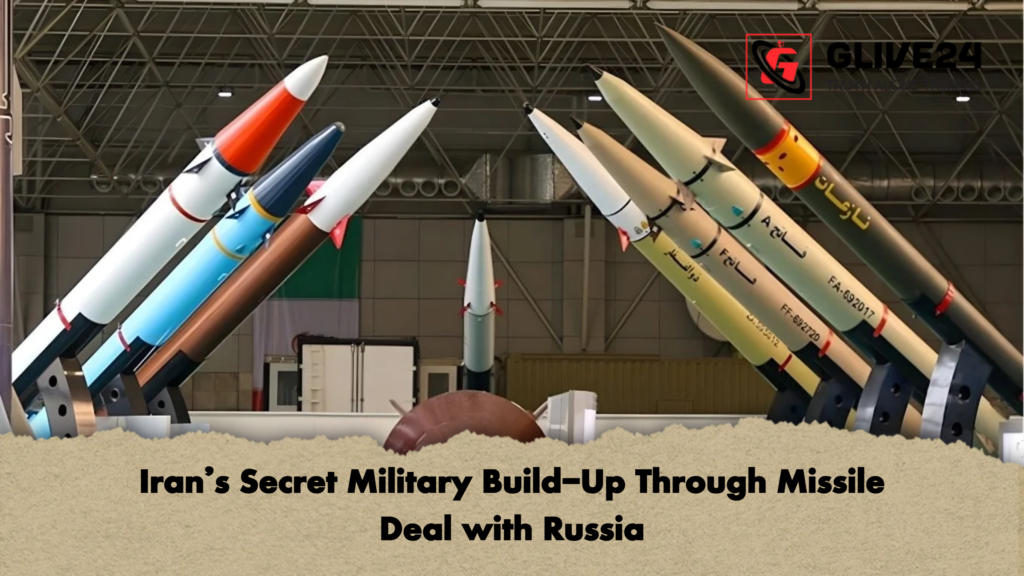
Iran has concluded a covert arms agreement with Russia, reportedly valued at around €500 million (approximately $589 million), to procure advanced missile defence systems over the next three years, according to a Financial Times report. The deal, finalised in Moscow last December, comes amid escalating geopolitical tensions in the Middle East and renewed fears of potential military confrontation with the United States.
The agreement obliges Russia to deliver a substantial complement of shoulder‑fired surface‑to‑air missiles and associated launch units to bolster Tehran’s air defence capabilities. Iranian officials are understood to have officially requested the systems last July, in the immediate aftermath of intense hostilities with Israel that in June 2025 saw strikes by US and Israeli forces on multiple Iranian nuclear sites, which significantly degraded Iran’s integrated air defence network.
Key Elements of the Arms Deal
The following table summarises the principal components of the reported contract between Tehran and Moscow:
| Item | Quantity | Description |
|---|---|---|
| 9K333 “Verba” MANPADS launchers | 500 units | Man‑portable air‑defence launchers designed to engage low‑altitude targets. |
| 9M336 missiles | 2,500 rounds | Surface‑to‑air missiles compatible with Verba launchers. |
| Delivery timeframe | 2027–2029 | Shipments expected in three tranches over three years. |
| Contract value | ~€500 million (~$589 million) | Total estimated cost of equipment and logistics. |
| Source: Financial Times and open‑source reports |
The Verba system is among Russia’s more modern man‑portable air defence systems, incorporating infrared guidance capable of tracking and engaging low‑flying aircraft, helicopters, drones and cruise missiles without reliance on large fixed radar installations. Designed for mobility, it is operated by small teams and can be rapidly deployed across dispersed locations.
Strategic Implications
While the Verba systems alone are unlikely to radically alter the balance of power in the region, analysts suggest their deployment could complicate low‑altitude aerial operations by potential adversaries, particularly in any future conflict scenario involving the United States or Israel. Such systems can be unpredictable due to their mobility and concealment potential.
The pact highlights the deepening military cooperation between Moscow and Tehran despite existing international sanctions regimes and an absence of a formal mutual defence commitment. It also coincides with a significant buildup of US military assets in the Middle East ahead of another round of nuclear negotiations scheduled in Geneva later this month.
Reports suggest that a limited number of systems and other Russian military equipment, including attack helicopters, may already have been delivered, indicating that Tehran is keen to begin reconstituting its air defence network sooner rather than later.
In official Washington and European Union circles, concerns are mounting that such transfers could embolden Iran’s stance in negotiations and heighten the risk of confrontation, particularly as diplomatic talks over Iran’s nuclear programme continue to struggle to make headway.