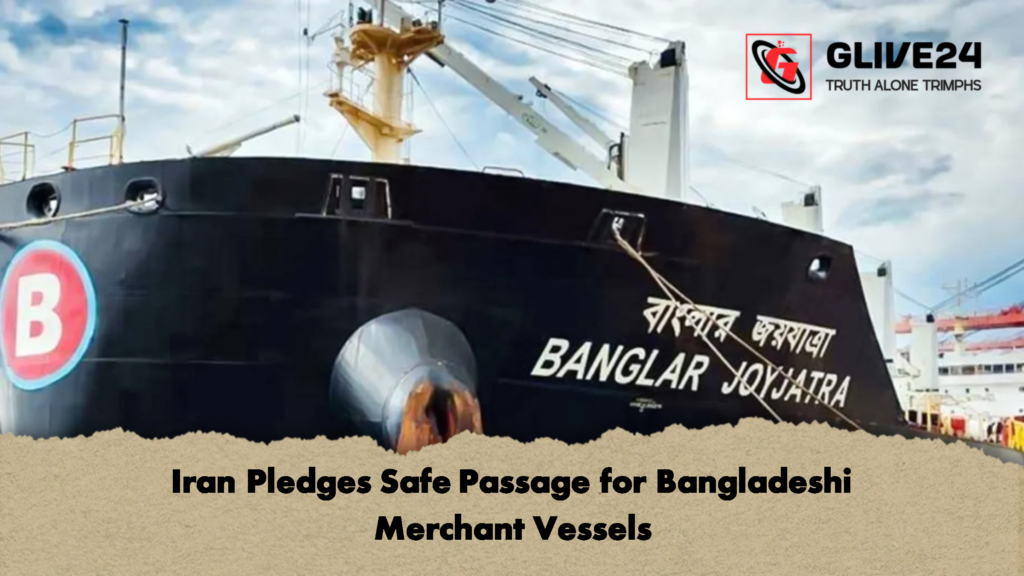
In a significant diplomatic move aimed at bolstering regional stability and commercial continuity, the Islamic Republic of Iran has officially committed to ensuring the secure transit of Bangladeshi-flagged vessels through the Strait of Hormuz. This pledge, detailed in a formal communique from the Iranian Embassy in Dhaka on Tuesday, 21 April 2026, arrives amidst a delicate geopolitical atmosphere in the Middle East.
The announcement marks a pivotal moment for bilateral maritime safety, safeguarding one of the globe’s most critical energy and trade arteries for Bangladeshi commerce. Beyond maritime security, Iran also highlighted its humanitarian cooperation, notably the safe repatriation of 186 Bangladeshi nationals who were evacuated through Azerbaijan during recent regional escalations.
Table of Contents
Countering Misinformation and Maintaining Decorum
A substantial portion of the Iranian Embassy’s briefing focused on the necessity of “diplomatic decorum” and the accuracy of information. The Embassy voiced sharp dissatisfaction regarding the “selective dissemination” of media interviews concerning the Middle Eastern crisis. It noted that certain digital platforms and news outlets had circulated decontextualised fragments of official statements, which risked fostering unnecessary public and political friction.
The Embassy stressed that such editorial choices are “inconsistent with the friendly and fraternal relations” enjoyed by the two countries. It called upon all media stakeholders to uphold the principles of responsible journalism and to avoid rhetoric that could undermine the deep-seated ties between Tehran and Dhaka.
“Iran and Bangladesh maintain a historic bond rooted in mutual respect and shared cultural values. We reiterate our firm commitment to the principle of non-interference in the internal affairs of other nations.”
Strengthening Bilateral and Multilateral Ties
The current diplomatic momentum was further evidenced by the high-level meeting between the Bangladeshi Foreign Minister, Dr Khalilur Rahman, and Iran’s Deputy Foreign Minister, Dr Khatibzadeh, held on the sidelines of the Antalya Diplomacy Forum. The Embassy praised the “constructive and fruitful” outcomes of these talks, which sought to expand cooperation in trade, energy, and security.
| Key Diplomatic Engagement | Outcome and Strategic Significance |
| Maritime Security | Guaranteed safe passage for Bangladeshi ships in Hormuz. |
| Evacuation Support | Repatriation of 186 citizens via Azerbaijan corridor. |
| Diplomatic Dialogue | High-level ministerial talks at the Antalya Forum. |
| Humanitarian Aid | PM Tariq Rahman’s dispatch of BDRCS medical supplies. |
| Parliamentary Motion | Formal condolence motion by the 13th National Parliament. |
Gratitude for National Solidarity
Iran expressed profound gratitude for the solidarity shown by the Government of Bangladesh following the passing of the late Supreme Leader, Ayatollah Ali Khamenei. The Embassy specifically commended the 13th National Parliament for adopting a formal condolence motion during its inaugural session—a gesture described as an “exceptional and significant step” in the annals of international diplomacy.
Further appreciation was extended to the senior officials from the Ministry of Foreign Affairs who visited the Iranian Embassy in Dhaka to sign the official book of condolences, signifying a high level of state-to-state respect.
Humanitarian Cooperation and Regional Stability
The Iranian administration lauded the decisive leadership of Prime Minister Tariq Rahman, particularly his initiative to provide emergency medical assistance through the Bangladesh Red Crescent Society (BDRCS). This humanitarian gesture has been viewed in Tehran as a powerful symbol of the enduring brotherhood between the two nations.
In its concluding remarks, the Embassy offered condolences for Bangladeshi citizens affected by recent regional conflicts. It praised Bangladesh’s “balanced and constructive” diplomatic posture, noting that the path of dialogue and diplomacy championed by Dhaka is essential for achieving lasting peace in a multipolar world. By securing trade routes and enhancing humanitarian collaboration, both nations appear set on a course of proactive and mutually beneficial partnership.