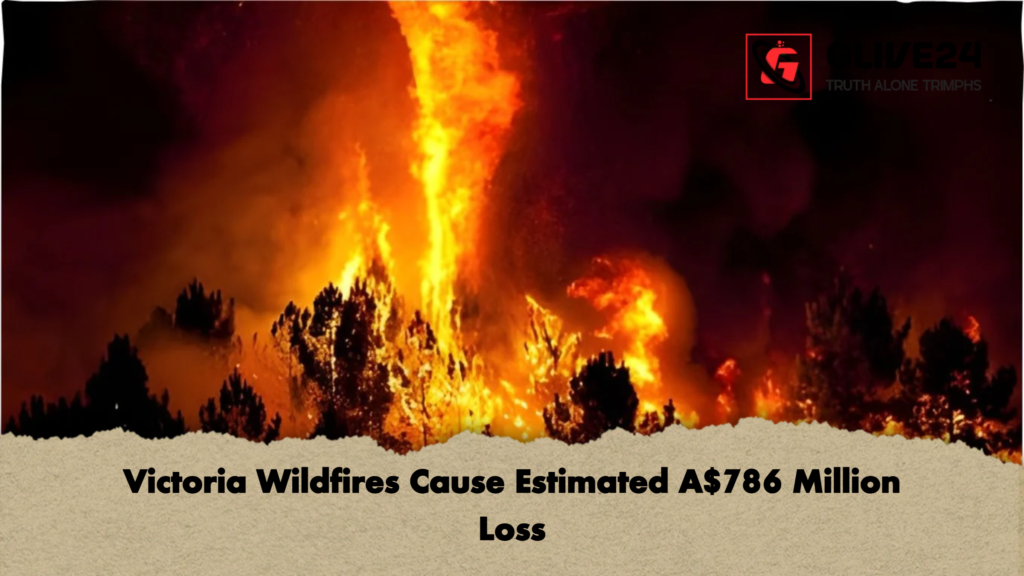
Zurich-based natural catastrophe insurance data provider PERILS has reported that the bushfires which swept through Victoria, Australia, from 7 to 13 January 2026 are expected to cause losses of approximately A$786 million (US$559 million). This preliminary estimate is derived from data submitted by affected insurers and covers property and motor hull insurance lines, in accordance with PERILS’ Australian coverage definitions. An updated loss assessment is scheduled for release on 13 April 2026.
The January 2026 fires are considered Victoria’s most destructive since the Black Saturday fires of 2009. Extreme heatwaves combined with dry grasslands accelerated the spread of the flames, consuming roughly 400,000 hectares, predominantly in rural areas. The disaster resulted in one fatality and inflicted widespread damage to homes, livestock, and infrastructure.
Commenting on the severity of the event, Luzi Hitz, PERILS’ product manager, said:
“Victoria has experienced two major bushfire events in recent years — the Black Summer of 2019/20 and Black Saturday in 2009, during which 173 lives were lost. This time, fatalities were significantly lower due to the fire impacting comparatively less populated areas. Timely emergency declarations, prompt evacuations, and extensive firefighting operations have been crucial in saving lives.”
A summary of the January 2026 bushfire impact is presented below:
| Aspect | Details |
|---|---|
| Fire Dates | 7–13 January 2026 |
| Area Affected | Approximately 400,000 hectares (primarily rural regions) |
| Estimated Loss | A$786 million (US$559 million) |
| Fatalities | 1 person |
| Affected Insurance Lines | Property, Motor Hull |
| Previous Major Fires | Black Saturday 2009, Black Summer 2019/20 |
PERILS annually publishes verified insurance loss data for natural catastrophes, including bushfires, floods, and cyclones. Experts warn that climate change is likely to increase the frequency and severity of such destructive fires across Australia.
In response, the Victorian administration has already initiated rehabilitation and compensation efforts, including clearing affected areas, assessing damages, and allocating special reconstruction funds. Local communities are actively participating in rebuilding efforts. Lessons learned from this event are informing plans to enhance early warning systems and implement stronger forest management and fire mitigation policies to reduce future risks.
The January 2026 bushfires thus mark a new chapter in Victoria’s history of extreme natural disasters, demonstrating how rapid response and coordinated relief operations can substantially limit loss of life, even amid catastrophic circumstances.