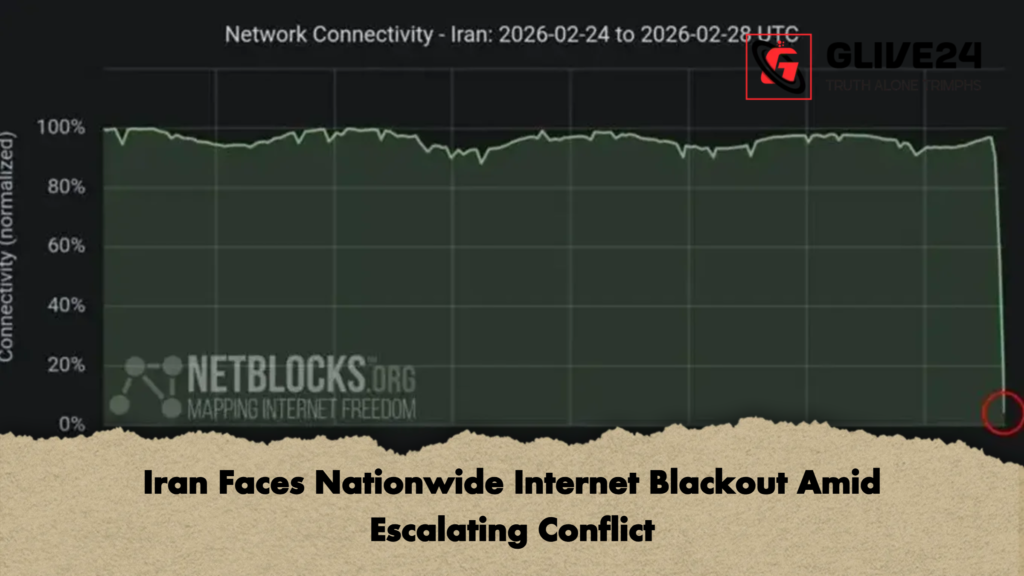
Following a joint Israeli and US military strike, Iran has imposed strict restrictions on internet services across the country. The blackout began on Saturday afternoon, 28 February 2026, and is rapidly expanding, disrupting communications for millions of citizens and businesses alike.
According to NetBlocks, an internet monitoring organisation, the shutdown is a direct response to the heightened military tensions in the region. Analysis of network data indicates that Iran is currently experiencing a complete internet shutdown, affecting both domestic and international connectivity. NetBlocks noted that the measures closely resemble those implemented during last year’s Israeli attacks, suggesting a recurring strategy by Iranian authorities to control information flow during times of military conflict.
Impact Overview
| Aspect | Details |
|---|---|
| Start of Blackout | Saturday, 28 February 2026, afternoon |
| Geographic Scope | Nationwide |
| Monitoring Organisation | NetBlocks |
| Type of Restriction | Full internet shutdown |
| Comparison to Previous Year | Same measures as last year’s Israeli attacks |
| Affected Services | Mobile data, broadband, financial and governmental communication systems |
The blackout has compounded regional instability. On the same day, a residential building in Amman, Jordan, was reportedly struck by an Iranian ballistic missile, according to state media cited by The Times of Israel. While the Jordanian government has yet to issue an official statement, Iran has also not confirmed any missile activity in Jordan.
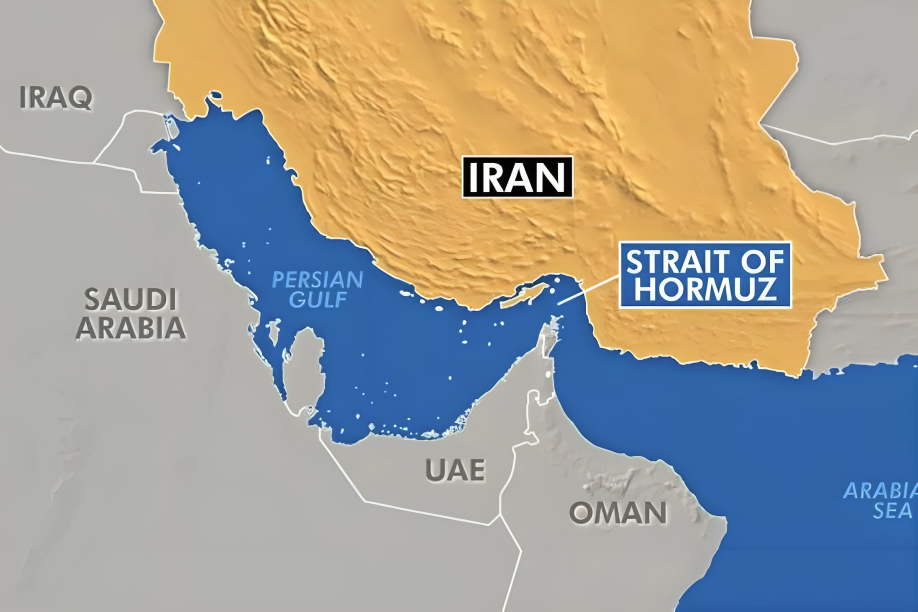
This incident follows a series of retaliatory attacks in the region. After Israel’s counterstrikes, reports emerged of devastating explosions in Saudi Arabia, Bahrain, Kuwait, and Abu Dhabi, while multiple Iranian cities are reportedly under attack or targeted by ongoing military operations. These developments have severely disrupted civilian life and air traffic in the Persian Gulf and surrounding areas, prompting temporary flight suspensions and heightened security alerts.
Experts suggest that Iran’s internet shutdown serves multiple strategic purposes: controlling public perception, preventing the dissemination of sensitive military information, and limiting the spread of panic amid escalating hostilities. However, the measure is also creating widespread disruption for ordinary citizens, businesses, and international communications.
The combined effect of regional missile strikes and nationwide internet blackouts marks a significant escalation in Middle Eastern tensions. Governments, international observers, and security agencies are monitoring the situation closely, warning of potential further disruptions and urging diplomacy to prevent wider conflict.