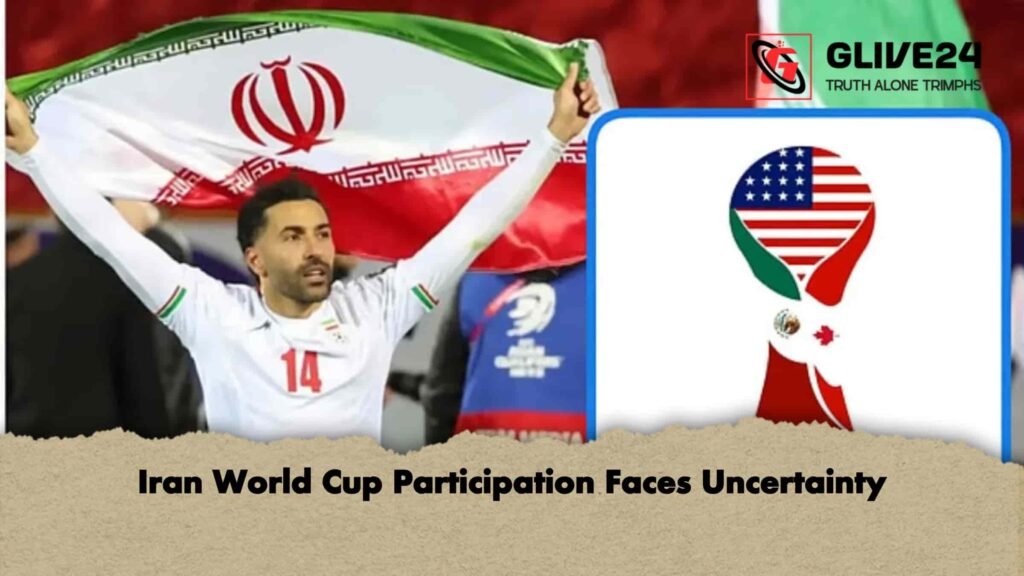
Tensions have escalated across the Middle East, as the roar of warplanes, smoke, and the acrid scent of explosions have filled the air. A series of recent airstrikes conducted by the United States and Israel have intensified instability within Iran, sparking not only regional concern but also international apprehension regarding sports diplomacy. These developments have cast a shadow over the 2026 FIFA World Cup, scheduled to take place across the United States, Canada, and Mexico. According to the Iranian Red Crescent, the recent clashes have claimed at least 555 lives.
Amid this unrest, the global football community is confronted with a pressing question: will Iran be able to participate in the World Cup, or will the country’s internal security and political turmoil compel it to withdraw?
Key Risks Affecting Participation
Analysts have identified three principal factors that could jeopardise Iran’s involvement in the tournament:
| Risk/Factor | Description |
|---|---|
| Voluntary Withdrawal | Iran could choose to withdraw from the tournament in protest of attacks on its territory. |
| Security Concerns | FIFA and other governing bodies may face challenges ensuring the safety of Iranian players abroad. |
| US Travel Restrictions | Previous policies have limited Iranian citizens’ entry into the United States, though exemptions for athletes are under discussion. |
FIFA Secretary-General Matthias Grafström expressed cautious optimism, stating, “Our priority is a safe World Cup where all qualified teams can participate.” Conversely, Mehdi Taj, President of the Iranian Football Federation, told local media, “Following these attacks, it may not be realistic to expect Iran to compete.”
FIFA’s Contingency Plans
Iran is currently placed in Group G alongside New Zealand, Belgium, and Egypt. Should the team withdraw at the last moment, FIFA may consider the following options:
-
Continue the group stage with only three teams.
-
Invite a replacement team to fill Iran’s spot.
-
Exercise discretionary authority to make final decisions under extraordinary circumstances.
Potential replacements are likely to emerge from Asian qualifiers, with the United Arab Emirates or Iraq being the most probable candidates. Iraq is scheduled to compete in intercontinental playoffs this month; a victory would strengthen their claim, whereas a defeat could open the door for the United Arab Emirates. FIFA also reserves the right to invite teams from outside Asia if necessary.
Historical Context
Last-minute withdrawals from the World Cup are exceedingly rare. In 1950, India’s withdrawal reduced the number of participating teams to 13. While club-level withdrawals are more common, the stakes of a World Cup make such developments highly significant.
Experts emphasise that relocating the tournament or enforcing a global boycott is virtually impossible. Nevertheless, Iran’s potential withdrawal presents a complex challenge for FIFA and the international football community. The final decision rests with Iran’s national sporting authorities, with the world watching closely.