
Khabor Wala Desk
Published: 5th March 2026, 12:31 AM
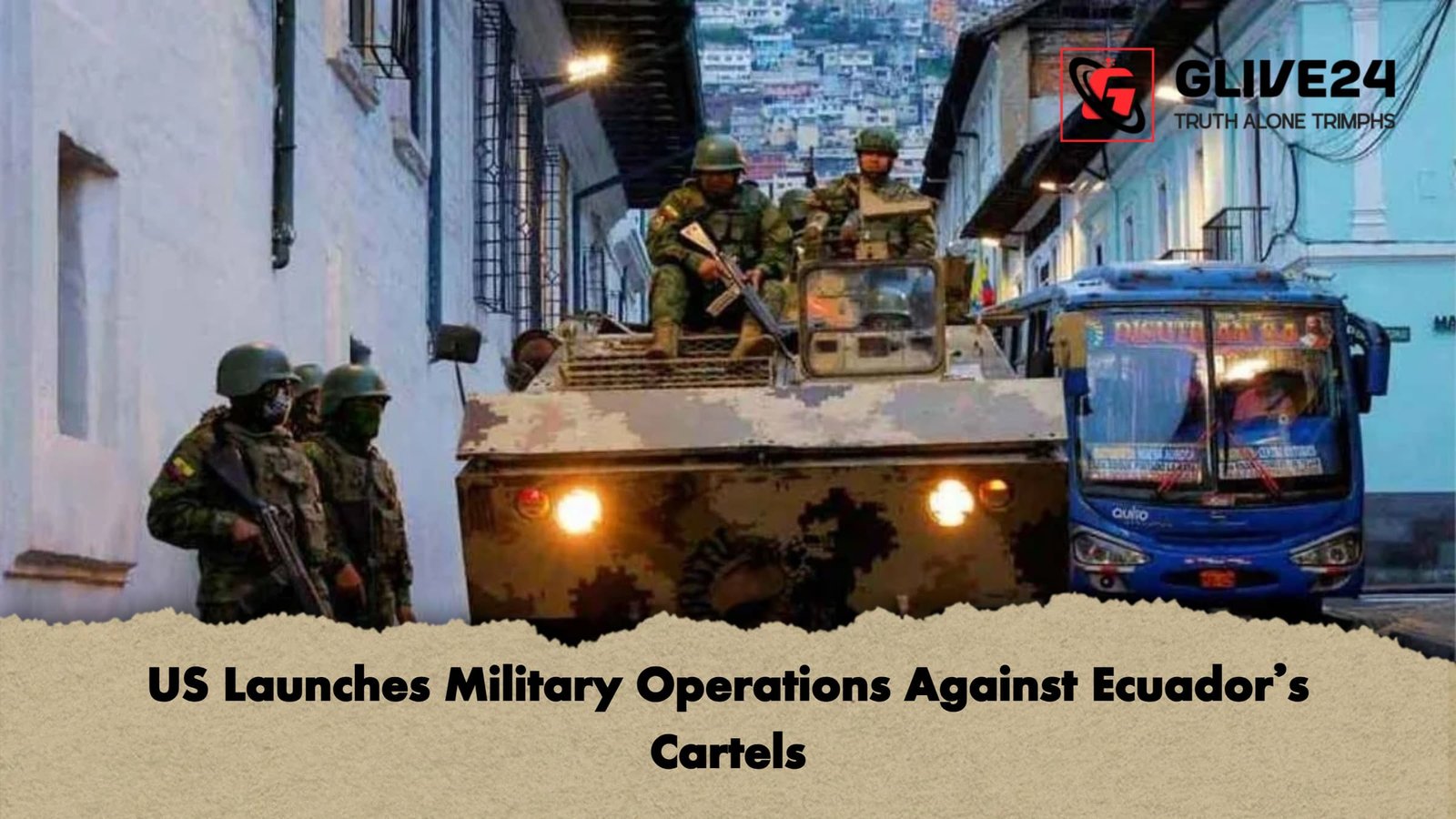
While global attention remains fixed on volatile conflicts in the Middle East, the United States has pivoted its military might toward Latin America. On Wednesday, 4 March 2026, the U.S. Southern Command (SOUTHCOM) confirmed the commencement of a direct military “intervention” in Ecuador. This joint operation aims to dismantle drug trafficking networks and neutralise “designated terrorist organisations” that have effectively besieged the Andean nation.
Table of Contents
Washington’s decision to intervene marks a significant escalation in the regional “War on Drugs.” The mission is designed to fracture the logistical backbone of drug lords operating across the Caribbean and Pacific corridors. According to an official SOUTHCOM statement, the initiative is a collaborative effort with Ecuadorian security forces to reclaim territory from criminal syndicates.
“Together, we are taking decisive action against the narco-terrorists who have long imposed a reign of terror, violence, and systemic corruption upon the citizens of this region,” the command stated.
Ecuador’s descent into violence is largely a consequence of its geography. Wedged between Colombia and Peru—the world’s two largest cocaine producers—Ecuador has evolved into a global transit hub. It is estimated that nearly 70% of the region’s illicit narcotics pass through Ecuadorian ports and borders.
The battle for control over these lucrative routes has transformed the country into one of Latin America’s deadliest zones. Under the leadership of right-wing President Daniel Noboa, who assumed office in 2023, Quito has aggressively sought American assistance to curb the bloodshed.
| Factor | Description | Impact |
| Geographic Role | Transit corridor between Colombia and Peru | Hub for 70% of regional cocaine exports |
| Key Military Asset | Manta Port City | Strategic base for US surveillance drones |
| Political Shift | Presidency of Daniel Noboa | Pivot toward pro-US security cooperation |
| Legal Framework | Special Bilateral Agreements | Circumvents bans on permanent foreign bases |
The American presence remains a point of domestic contention. Although a national referendum last year saw Ecuadorian citizens vote against hosting permanent foreign military bases, the Noboa administration has utilised special security pacts to facilitate US operations.
Currently, US Air Force personnel are stationed in the coastal city of Manta. Using advanced surveillance aircraft and unmanned drones, they are identifying trafficking vessels and clandestine laboratories in real-time.
Analysts suggest this “mission” extends beyond mere policing; it represents a reassertion of US hegemony in South America. While Washington frames the intervention as a necessary crusade against “narco-terrorism,” critics warn of potential blowback. The direct involvement of US boots and wings on the ground could provoke retaliatory strikes from powerful cartels, further destabilising the civilian population.
The people of Ecuador find themselves at a crossroads—balancing the hope for an end to cartel violence against the long-term anxieties of foreign military entanglement. For President Noboa, however, the choice is clear: international intervention is the only remaining shield for Ecuadorian sovereignty.



Comments