
Khabor Wala Desk
Published: 6th March 2026, 7:28 AM
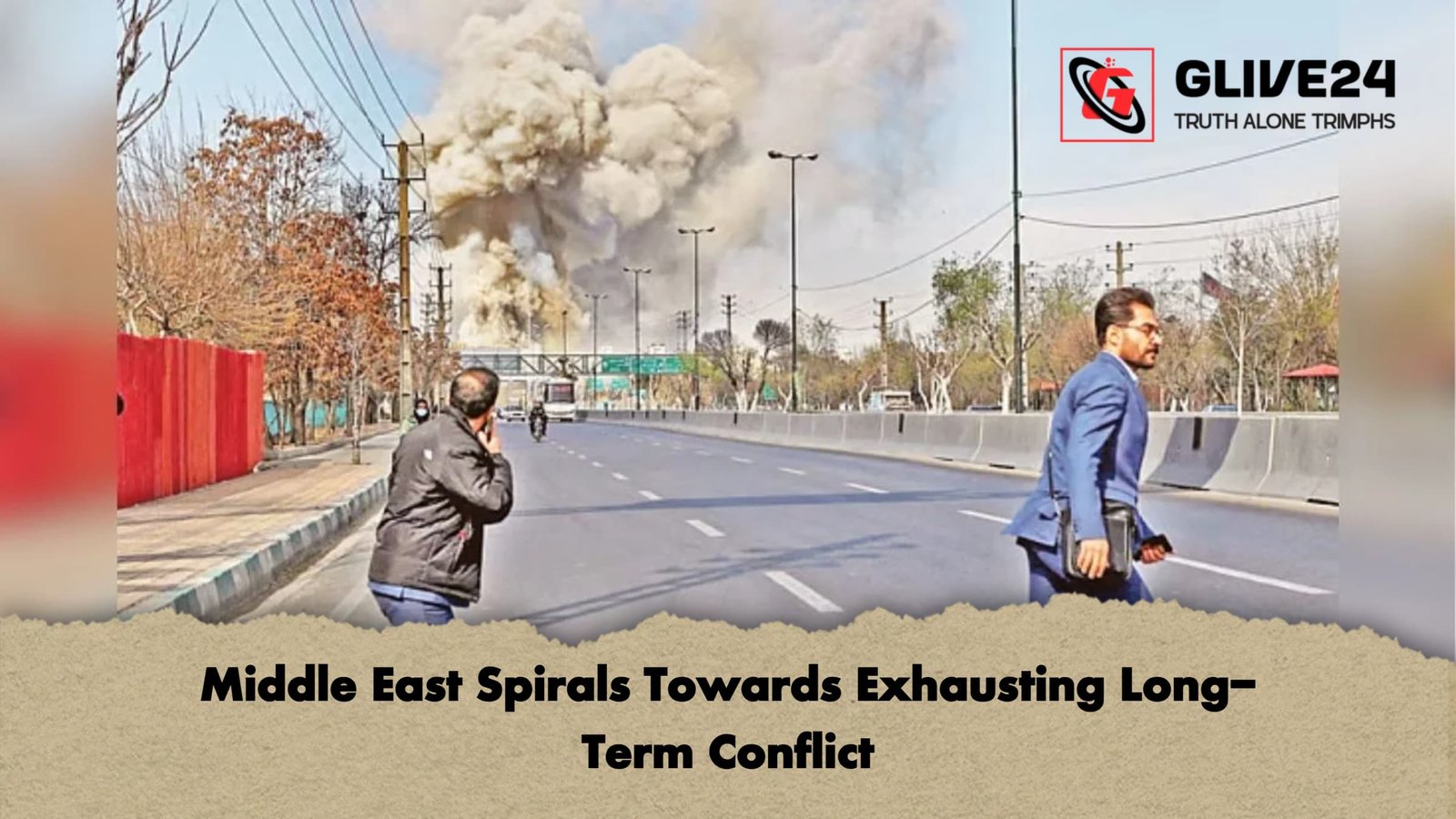
The geopolitical landscape of the Middle East has shifted from a series of sharp escalations into the grim reality of a protracted war. As the United States and Israel maintain a relentless campaign of aerial bombardments and missile strikes across the Iranian heartland—including the capital, Tehran—the Islamic Republic has demonstrated a resilient capacity for asymmetric retaliation.
On Thursday, Iranian loitering munitions successfully struck two high-profile US military installations in Iraq and Kuwait. Simultaneously, Tehran’s naval forces claimed responsibility for an attack on a US-linked oil tanker in the Persian Gulf, underscoring their intent to disrupt global energy corridors as a counter-lever to Western military pressure.
Table of Contents
Despite the loss of several top-tier political and military commanders to precision strikes, Iran’s operational continuity has forced the Pentagon to revise its “short-war” calculus. US Central Command (CENTCOM) has reportedly requested a surge of intelligence officers and military hardware to be deployed to its headquarters in Tampa, Florida, and forward bases in the region.
Sources indicate that the US military is now planning for a conflict that will persist at least until September 2026. This 100-day strategic window suggests that the initial hope of a swift regime collapse or a “decapitation strike” has evaporated. Hamish Falconer, the UK Minister for the Middle East, echoed this sentiment in Parliament, warning that the crisis is evolving daily and may endure for months rather than weeks.
| Impact Category | Iran (Reported) | Israel/US/Regional Allies |
| Confirmed Fatalities | 1,230 (Inc. 180 children) | 28 (6 US, 11 Israeli, 11 Regional) |
| Civilian Infrastructure | 3,643+ buildings destroyed | Significant damage to 20+ bases |
| Healthcare Facilities | 13 centres struck (per WHO) | 0 reported |
| Territorial Spread | 174 cities under fire | Attacks in 13 countries |
Analysts argue that the Trump administration’s strategy suffered from a fundamental misunderstanding of the Iranian state’s resilience. Professor Abdullah Al-Arian of Georgetown University Qatar noted that Washington likely expected a “Libya or Iraq scenario,” where removing the head of the state leads to an immediate systemic implosion.
“They assumed the opposition would rally behind US strikes or the bureaucracy would crumble,” Al-Arian told Al-Jazeera. “Neither has happened. Instead, the US is trapped in an incredibly difficult escalatory spiral.”
The conflict has now bled into 13 different countries. On Thursday, drone strikes were reported in Azerbaijan, a Shia-majority nation with deep strategic ties to Israel. Meanwhile, NATO allies are increasingly being drawn into the fray:
The UK and France: Have authorised the use of their bases for “defensive” US operations; the UK has deployed four additional fighter jets to Qatar.
Italy and Spain: Deploying naval assets to the Eastern Mediterranean to protect assets in Cyprus.
Australia: Sending six crisis response teams and heavy military equipment as part of an “emergency contingency” plan.
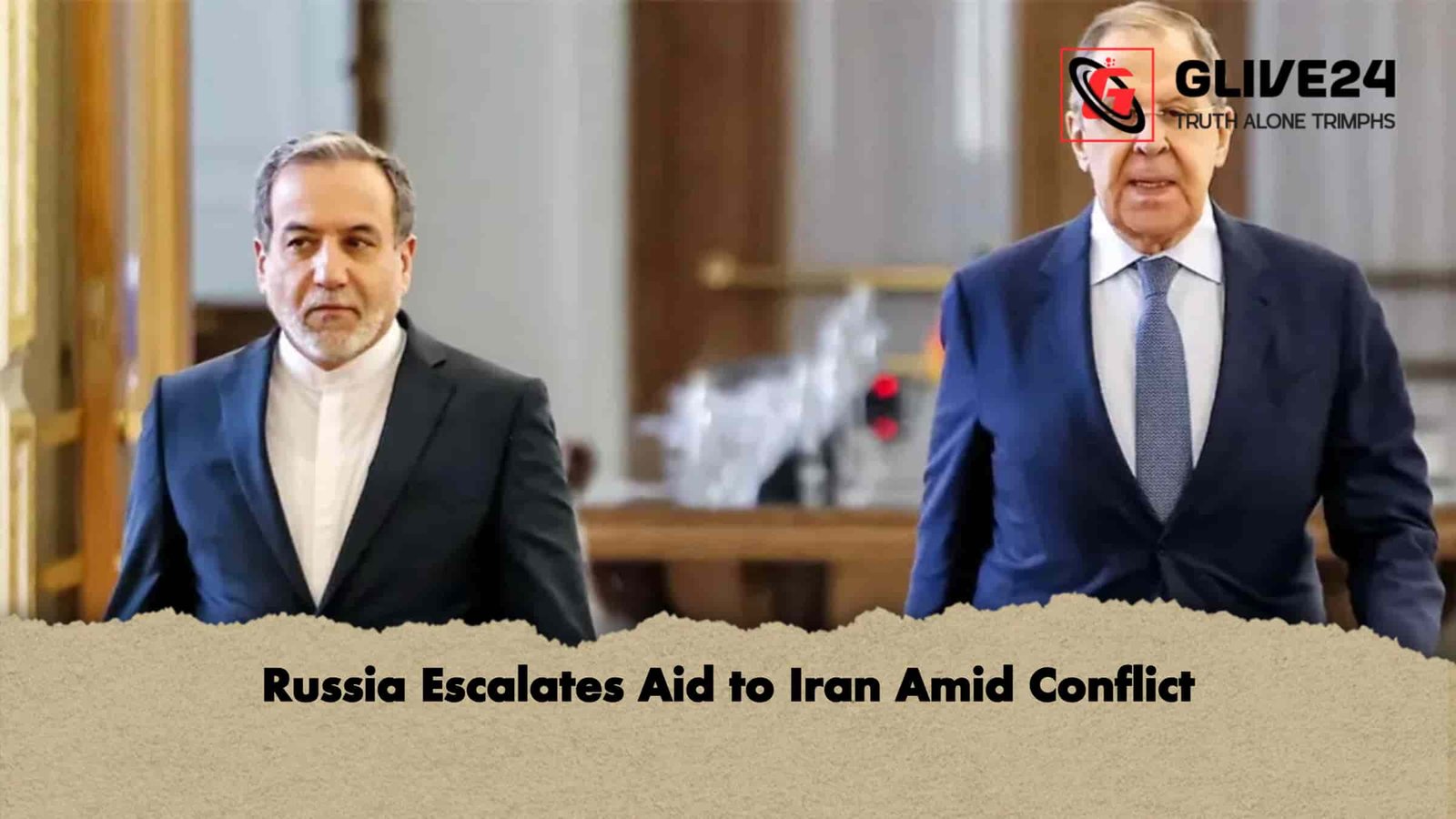
Russia: Issued a blistering critique, accusing the US and Israel of trying to “drag Arab nations into a war” for Western interests.
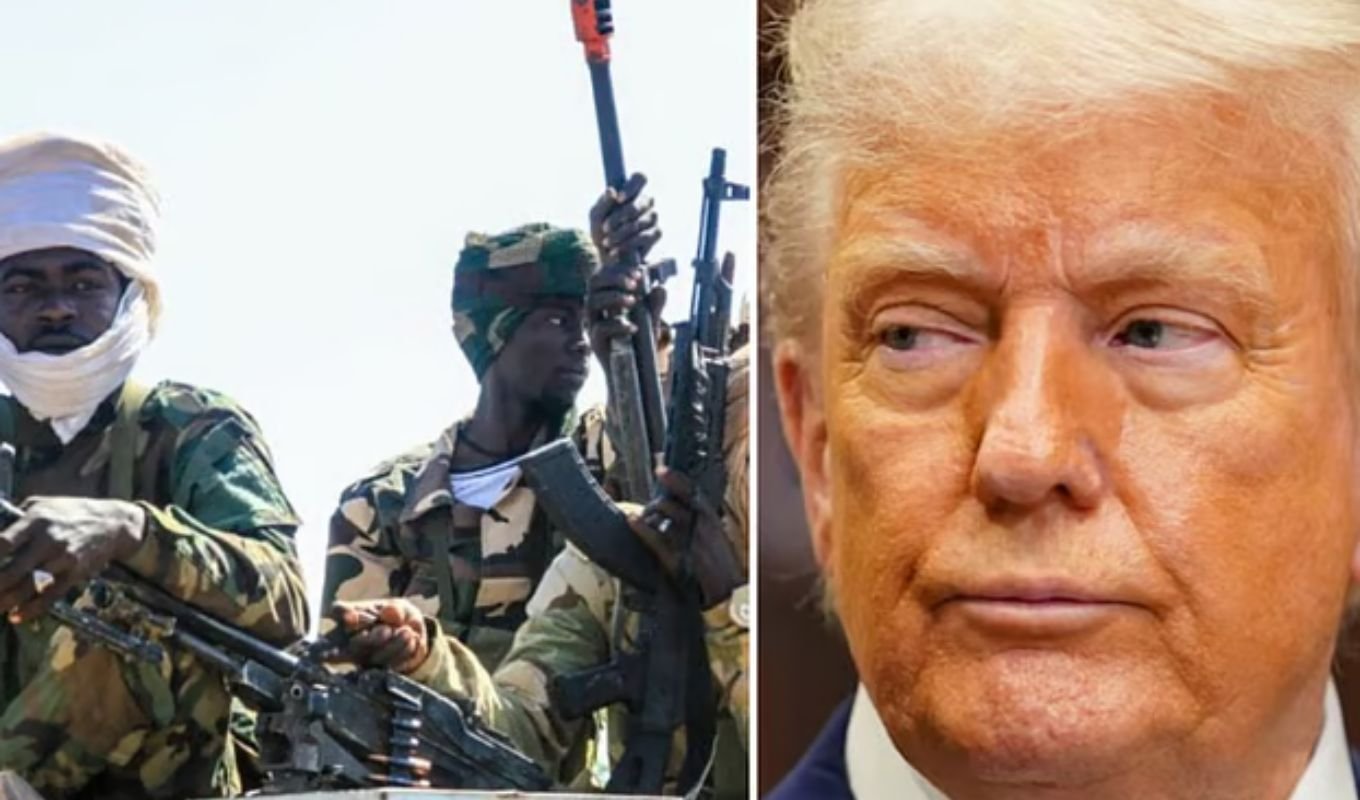
Domestically, the expansion of the war presents a dire risk for President Trump ahead of the November mid-term elections. Initially promising a “three-to-four-week” operation, the transition to a long-term conflict threatens to alienate a war-weary American electorate. Republican strategists warn that unless a major victory is secured soon, the “September Horizon” could transform into a political catastrophe at home, overshadowing domestic economic gains and defining the administration by another “forever war.”


Comments