
Khabor Wala Desk
Published: 8th March 2026, 10:53 AM
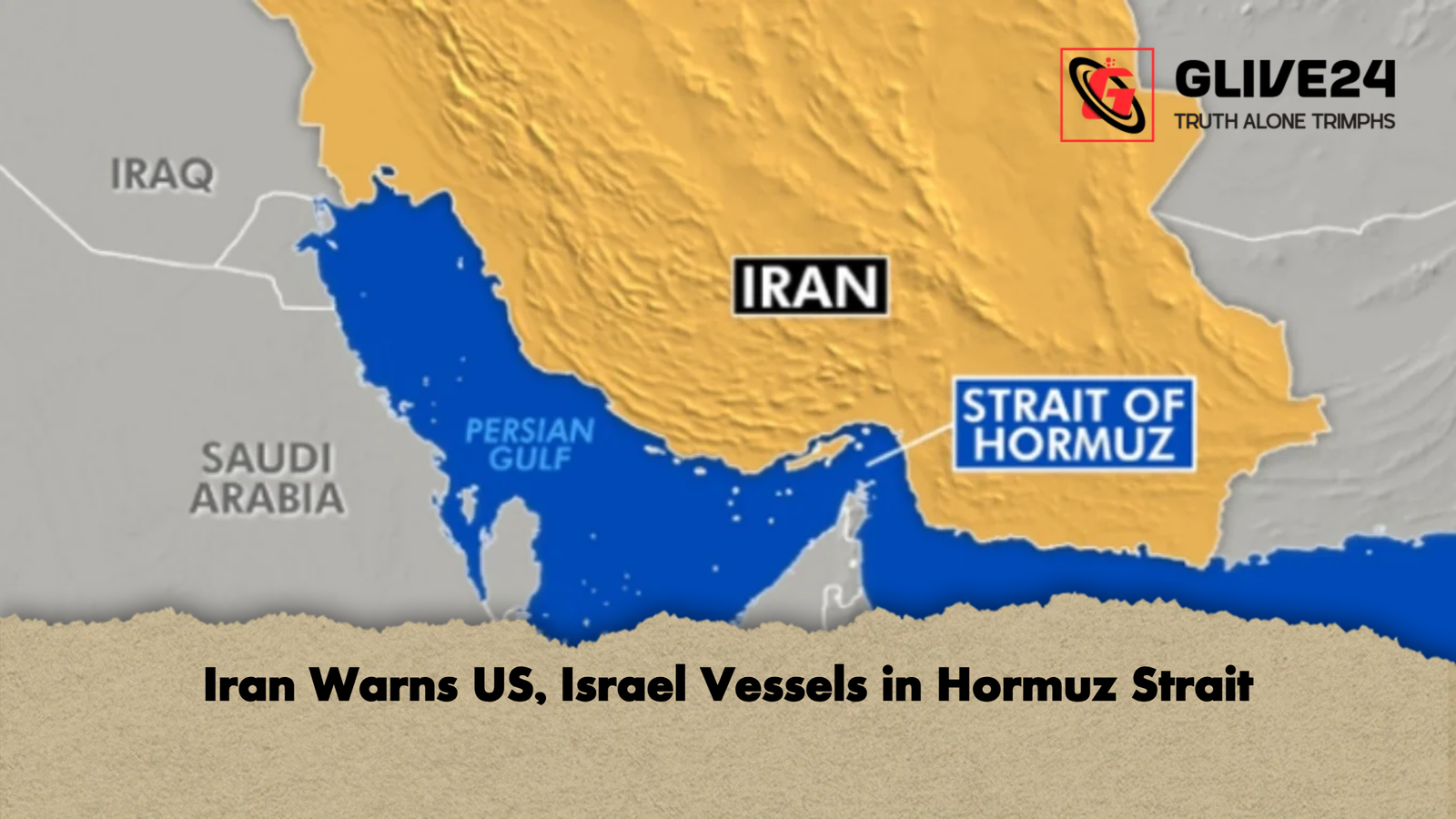
Amid escalating tensions in the Middle East, Iran has issued a stern warning regarding the strategic Strait of Hormuz, one of the world’s most critical maritime chokepoints for energy transport. A spokesperson for Iran’s military, speaking on state television, confirmed that the strait will not be closed entirely, but warned that ships linked to the United States or Israel could face targeted action.
Table of Contents
The unnamed official stressed:
Any vessel intending to transit the Strait of Hormuz is not prohibited, but must accept full responsibility for its own safety.
Ships associated with Israel or the United States will be considered potential targets if they attempt passage.
The spokesperson stated:
“We will not obstruct vessels willing to cross the Strait of Hormuz, but the security of the voyage will be the responsibility of the ship itself. Any ship associated with the Zionist entity or the United States will be targeted.”
This demonstrates Iran’s attempt to balance its military deterrence with the recognition of the strait’s importance to global trade.
The Strait of Hormuz links the Persian Gulf with the Gulf of Oman, spanning approximately 39 kilometres (24 miles) at its narrowest point. Its significance for global energy supply is immense:
Transports one-sixth of the world’s oil
Handles one-third of global liquefied natural gas (LNG)
Even temporary disruption could have far-reaching effects on international energy markets, analysts warn.
Military hostilities involving Iran, the US, and Israel have already constrained shipping traffic. According to Reuters, global oil and LNG supply could be reduced by up to 20%.
Data from shipping analysts Vortexa and Kepler indicate:
| Parameter | Details |
|---|---|
| Average daily vessel traffic (Jan) | 24 ships/day |
| Current daily vessel traffic | 4 ships/day |
| Oil tankers currently trapped | ~300 |
| Length of strait | 39 km (24 miles) |
| Key commodities transported | Oil (1/6 global supply), LNG (1/3 global supply) |
| Vessels at risk | US- and Israel-linked ships |
Previously, Iran had explicitly prohibited passage for vessels from the United States, Israel, and allied European countries, though Chinese vessels were not addressed at that time.
The warnings and reduced traffic threaten energy market stability, with potential spikes in oil and gas prices. Nearly 300 tankers remain trapped, underscoring the strait’s vulnerability and the need for urgent diplomatic engagement to prevent further escalation.
Analysts highlight that Iran’s approach reflects a dual strategy: maintaining access for neutral international shipping while signalling military deterrence against adversary-aligned vessels. The situation illustrates the delicate balance between regional military operations and global energy security.



Comments