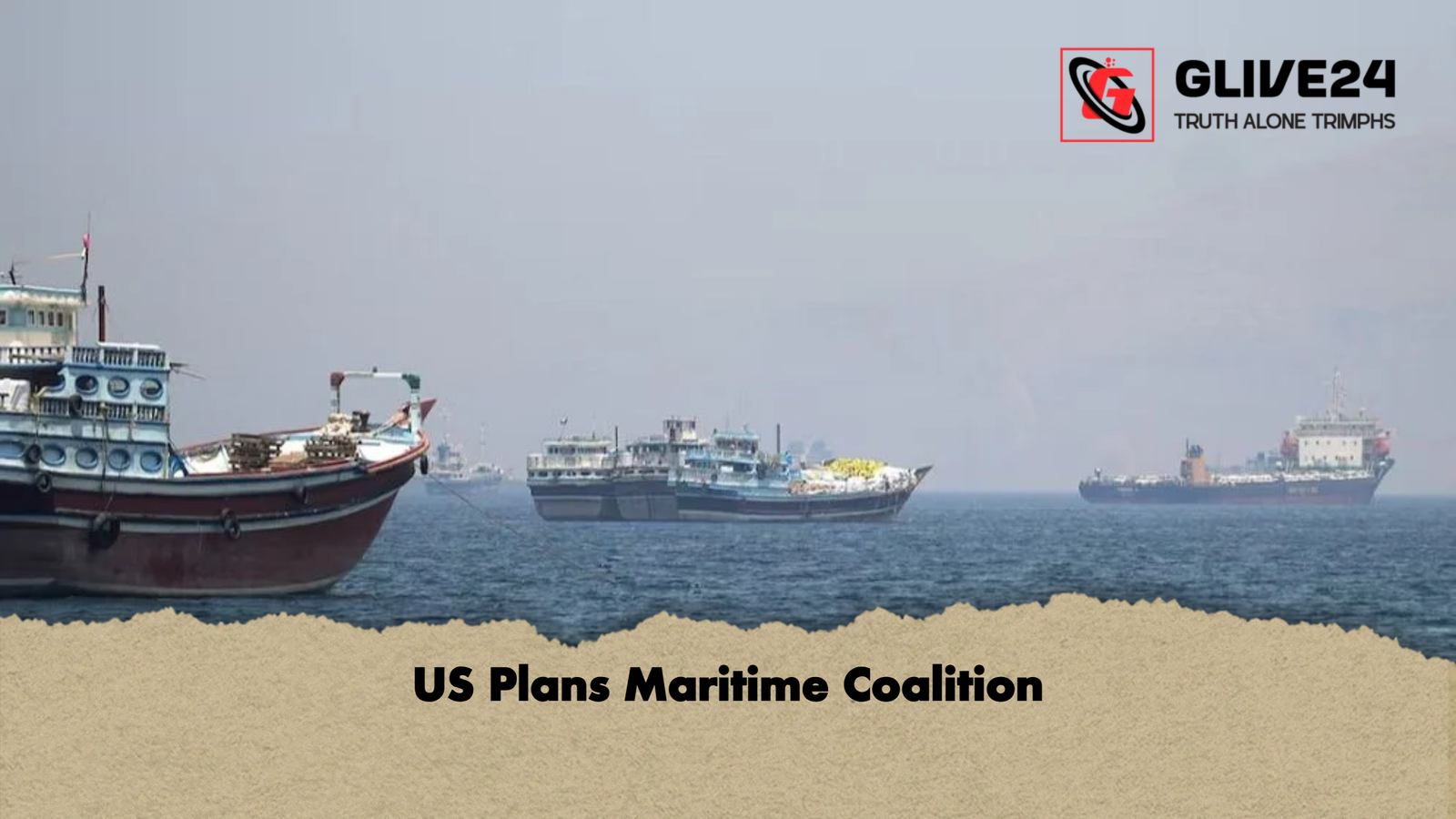
The Strait of Hormuz, a critical global shipping route, has come under severe strain amid escalating geopolitical tensions, with significant implications for international trade and energy markets. With Iran maintaining effective control over the narrow waterway, disruptions have intensified, contributing to volatility in global fuel supplies and heightened concerns over maritime security.
In response, the United States has initiated efforts to establish an international coalition aimed at restoring freedom of navigation through the Strait of Hormuz. According to a report by Reuters, the US State Department has formally reached out to several countries, urging them to participate in a coordinated framework designed to ensure the safe passage of commercial vessels through the strategic chokepoint.
A statement issued by the US State Department on 28 April confirmed that Secretary of State Marco Rubio has approved a new initiative named the “Maritime Freedom Construct” (MFC). The initiative is described as a joint effort between the US State Department and the Department of Defense (Pentagon), intended to strengthen maritime security in the aftermath of regional conflict.
The statement further emphasised that the MFC represents an initial but significant step towards establishing a post-conflict maritime security architecture in the Middle East. It is positioned as essential for ensuring long-term energy security, protecting critical maritime infrastructure, and safeguarding the rights of navigation through major international shipping routes.
Under the proposed structure, the US State Department will act as the central diplomatic coordination hub, engaging with partner nations and the global shipping industry. Meanwhile, operational coordination, including direct communication with vessels and real-time traffic management, will be handled by the Pentagon through US Central Command (CENTCOM), headquartered in Florida.
The situation in the Strait of Hormuz has worsened following a reported escalation in conflict involving the United States and Israel against Iran approximately two months earlier. The disruption has contributed to instability in global energy markets, with crude oil prices reaching their highest level in four years. At one point, Brent crude reportedly exceeded USD 125 per barrel.
In parallel developments, the United States is reportedly considering strengthening a naval blockade targeting Iran’s oil exports, as diplomatic negotiations remain stalled. There are also indications that US President Donald Trump is expected to receive briefings on the possibility of renewed military strikes against Iran.
Iran, however, has issued strong warnings in response, stating that continued sanctions and pressure could trigger what it described as “unprecedented military measures,” potentially further restricting navigation through the Strait of Hormuz. Tehran continues to maintain that its nuclear programme is peaceful in nature.
Analysts have cautioned that prolonged instability in the region could have wide-ranging consequences for the global economy, particularly through rising inflation driven by higher energy costs. There are also growing concerns that tensions in the Middle East may escalate further if diplomatic progress remains limited.
According to a Pentagon official cited in the report, the ongoing conflict has already cost the United States approximately USD 25 billion. The State Department reiterated that the primary objective of the newly proposed coalition is to restore secure and stable maritime traffic through the Strait of Hormuz.
| Issue | Details |
|---|---|
| Strategic route | Strait of Hormuz, heavily affected by tensions |
| US initiative | Maritime Freedom Construct (MFC) |
| Launch approval | 28 April by US Secretary of State Marco Rubio |
| Lead agencies | US State Department and Pentagon (CENTCOM coordination) |
| Primary aim | Secure navigation and maritime stability |
| Energy impact | Brent crude exceeded USD 125 per barrel (peak) |
| Geopolitical context | Escalation involving US, Israel, and Iran |
| Reported US cost | Approximately USD 25 billion |
| Iran’s position | Warns of strong response and continued peaceful nuclear claims |
The proposed coalition reflects ongoing international concern over maritime security and the stability of global energy supply chains, particularly in strategically sensitive waterways such as the Strait of Hormuz.
> Remembered: Oustad Sudhin Das, the Guardian of Bengali Notation
> Two Clerks Die in Kataban Law Chamber Inferno
> Bangladesh Receives Final Consignment of Rice from India
> Man Arrested in Faridpur for Allegedly Raping Mother-in-Law
> Armed Youth Detained at Daulatpur Border Town with Pistol
> Three Bangladeshi Family Members Stabbed to Death in Rome
> US Considers Moving Gulf Bases to Israel Amid Iranian Strikes
> Four More Children Die of Measles Symptoms in Mymensingh
> Uruguay Crash Out Following Narrow Defeat to Clinical Spain
> Iran launches new strikes against Kurdish groups in Iraq
> Anupam Roy Live Concert Announced Dhaka
> Club Goal Rankings in World Cup History
> Oxford Authorities Contradict Claims by Hasnat, Sadik
> Two Arrested With Tapentadol
> Footballer’s Family Missing After Venezuela Quake
> Sanjoy Joins World Cup Album
> Simrin Lubaba Begins New Life After Marriage Shift

সম্পাদক ও প্রকাশক: এ বি এম জাকিরুল হক টিটন
যোগাযোগের ঠিকানাঃ পশ্চিম কাফরুল, বেগম রোকেয়া সরণি, ঢাকা
© Copyright 2026 Khaborwala। All Rights Reserved



Comments