In a dramatic escalation of regional hostilities, the Islamic Revolutionary Guard Corps (IRGC) has announced a series of successful strikes against American military infrastructure within the Middle East. According to official reports released over the last 24 hours, Iranian forces claim to have neutralised four critical radar arrays associated with the United States’ sophisticated Terminal High Altitude Area Defence (THAAD) missile systems.
Precision Strikes on THAAD Infrastructure
The state-run news agency, IRNA, reported that the operation utilised domestically produced, high-precision-guided missiles designed to bypass traditional interception layers. The primary objective of the mission was the systematic degradation of the American “eye” in the region—the radar systems that provide early warning and tracking for ballistic threats.
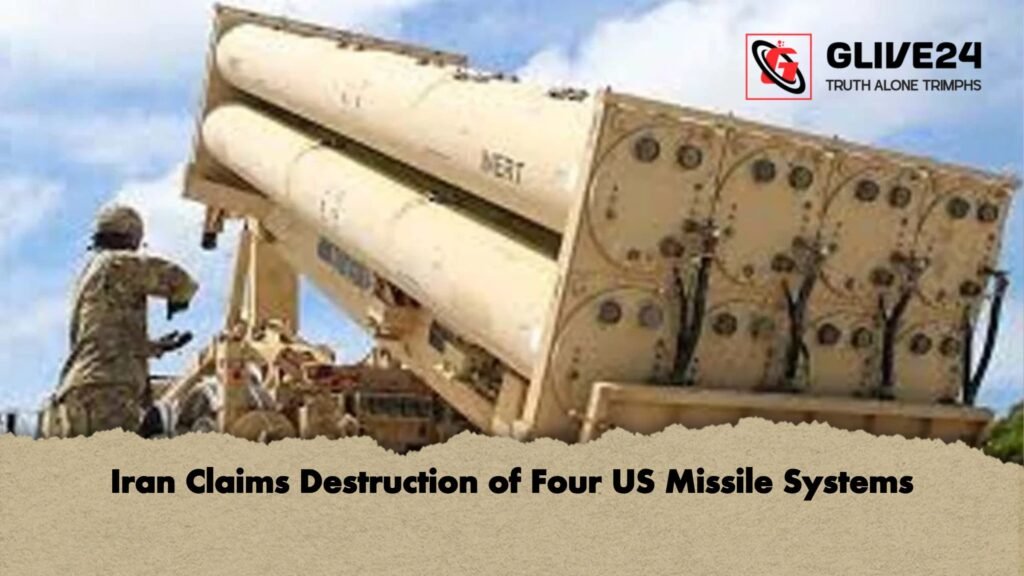
The THAAD system is a cornerstone of American and allied territorial defence. Engineered to intercept short, medium, and intermediate-range ballistic missiles during their terminal phase, the system relies entirely on its high-resolution radar to function. By targeting these specific components, the IRGC claims to have effectively “blinded” a significant portion of the US defensive umbrella in the contested theatre.
Strategic Capabilities of the THAAD System
To understand the weight of these claims, one must look at the technical specifications and strategic role of the THAAD batteries currently deployed in the region:
| Feature | Specification / Capability | Strategic Role |
| Radar Type | AN/TPY-2 (X-band) | Long-range threat detection and tracking. |
| Engagement Range | Approximately 200 km | Terminal phase interception of ballistic missiles. |
| Deployment Mode | Truck-mounted / Mobile | Rapid response to emerging regional threats. |
| Interception Method | Hit-to-kill (Kinetic energy) | Destroys warheads without explosive contact. |
Regional Implications and Escalation
The destruction of such high-value assets—if confirmed by independent satellite imagery or Pentagon officials—would mark a significant shift in the tactical balance of power. The US has historically relied on the THAAD and Patriot systems to reassure regional partners of their safety against missile salvos. A successful breach of this nature suggests that Iranian missile technology may have evolved to incorporate advanced electronic counter-measures or “stealth” profiles capable of evading X-band radar detection.
While the Pentagon has yet to release a detailed rebuttal or confirmation of the IRGC’s claims, the rhetoric from Tehran remains defiant. Military analysts suggest that this “radar-hunting” strategy is a deliberate attempt to clear a path for larger, more destructive missile strikes by removing the primary obstacles to their success.
The international community is now watching closely for a potential US response. The loss of four radar units would represent a multi-billion dollar blow to American military hardware and a significant psychological victory for the IRGC.