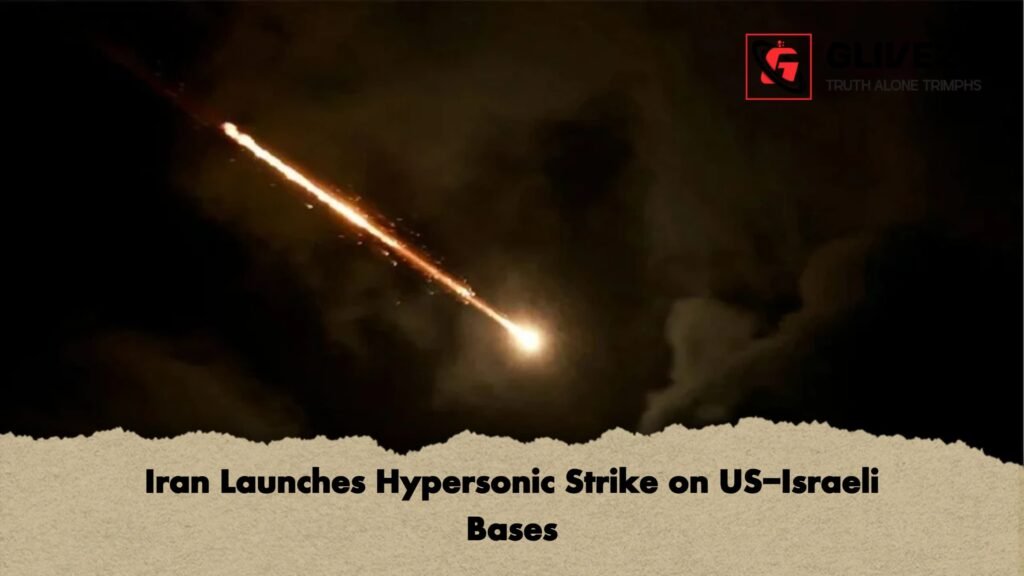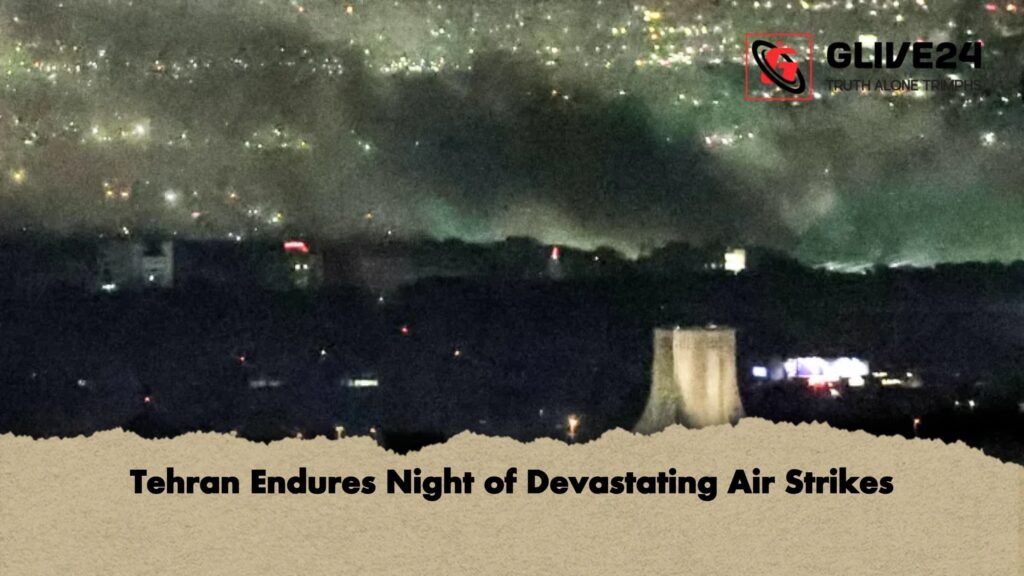
Tehran experienced one of the most intense nights of aerial bombardment in recent memory as explosions rocked multiple districts of the Iranian capital amid the ongoing conflict involving the United States and Israel. The overnight assault sent shockwaves through residential neighbourhoods, spreading fear among civilians, damaging infrastructure, and forcing thousands of families to confront deep uncertainty about their safety.
The strikes form part of a broader military campaign reportedly launched on 28 February 2026. According to international media reports, the United States and Israel have been conducting coordinated attacks against Iranian military and strategic facilities. Military analysts have referred to the operation as “Operation Lion’s Roar”, describing it as one of the most direct and significant confrontations between the parties in decades. Observers warn that the conflict has rapidly escalated beyond isolated clashes and now carries the potential to destabilise the wider Middle East.
Table of Contents
Residents Awakened by Explosions
Throughout the night, residents across Tehran reported hearing repeated blasts that shook buildings and rattled windows. Many described powerful shockwaves spreading across densely populated districts as air strikes struck targets within or near the capital.
One resident said the intensity of the bombardment was unlike anything they had previously experienced. “It felt as if our chests were trembling with each explosion,” the individual remarked, reflecting the widespread anxiety felt by families across the city.
The capital’s skyline was intermittently illuminated by flashes from explosions and anti-aircraft defences. The roar of warplanes overhead combined with air-raid sirens and the constant movement of emergency vehicles created an atmosphere reminiscent of wartime conditions—something Tehran has largely avoided for decades.
In several neighbourhoods, residents taped their windows in an attempt to reduce the risk of shattered glass from shockwaves. Others sought shelter in corridors, basements, or underground parking areas, while monitoring television broadcasts and social media updates for information about the unfolding situation.
Military Targets but Civilian Impact
Western officials have stated that the air strikes were aimed primarily at military installations and facilities associated with Iran’s weapons development programmes. However, the proximity of these sites to densely populated urban districts meant that civilians were inevitably affected.
Reports indicate that several industrial complexes and oil depots around Tehran were struck during the operation. Fires broke out at some facilities, sending thick black smoke into the sky. Environmental experts have warned that the burning of industrial materials could release toxic pollutants, raising concerns about air quality and potential health risks for nearby communities.
Rising Civilian Casualties
Human rights organisations and Iranian officials say the human toll of the conflict is steadily increasing. Civilian casualties have mounted as air strikes and retaliatory attacks continue across multiple cities.
| Indicator | Estimated Figures |
|---|---|
| Civilian deaths in Iran | Approximately 1,200–1,300 |
| Civilian injuries | Several thousand |
| Start of major offensive | 28 February 2026 |
| Major affected cities | Tehran, Tabriz, and others |
Some reports suggest that hospitals, schools, and residential buildings have also sustained damage during the fighting, intensifying international concerns about the protection of civilians under humanitarian law.
Daily Life in the Capital Disrupted
The attacks have significantly disrupted daily life in Tehran. Cultural events and public gatherings have been cancelled, while authorities have occasionally restricted internet access for security reasons.
Many residents have begun leaving the capital for smaller towns or rural areas in the hope of finding relative safety. However, financial constraints and family responsibilities have forced numerous households to remain in the city despite the escalating danger.
Fears of a Wider Regional War
The large-scale strikes on Tehran have heightened fears that the confrontation could expand into a broader regional conflict. Iran has reportedly responded with retaliatory actions targeting Israeli and Gulf-region locations, further raising tensions across the Middle East.
For ordinary residents of Tehran, however, geopolitical calculations offer little comfort. Their immediate concern is survival amid nights filled with explosions and days marked by uncertainty. Many express a simple hope: that the violence will soon end and that their city will one day return to normal life.