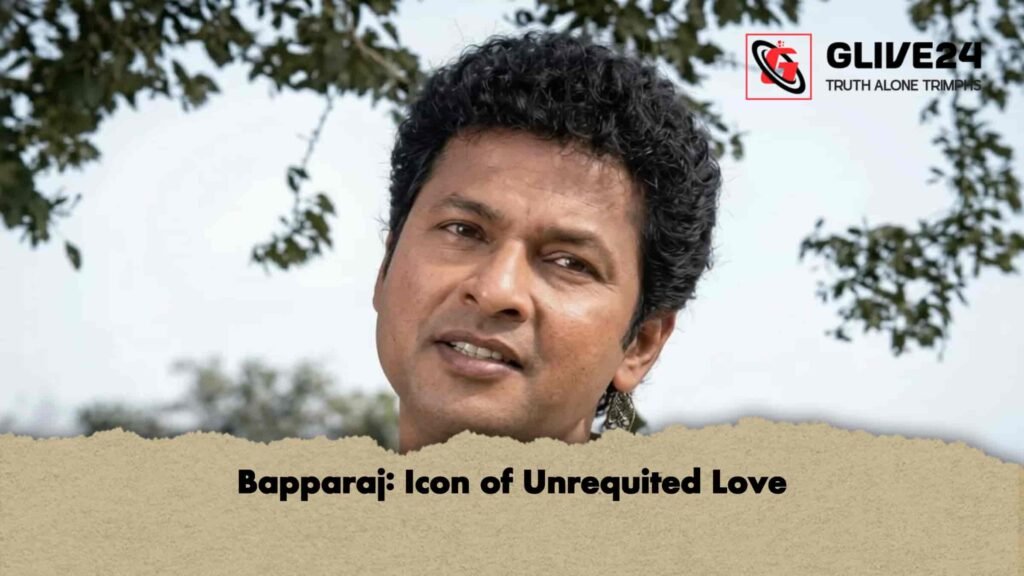
For audiences of Bangladeshi cinema in the 1990s, the name Bapparaj evokes a deep sense of nostalgia and emotion. Known for portraying characters marked by heartbreak, sacrifice, and quiet devotion, he carved out a unique place in the history of Dhallywood. Through restrained performances and expressive screen presence, Bapparaj became synonymous with the archetype of the selfless lover—an image that remains firmly etched in the memories of filmgoers even today.
Popular songs picturised on him, such as “Tumi Bondhu Amar Chiro Sukhe Theko” (My Friend, May You Always Remain Happy), “Ami To Ekdin Chole Jabo” (One Day I Will Depart), and “Tomra Shobai Thako Sukhe” (May You All Remain Happy), resonated deeply with audiences. His emotive lip-sync performances in these melancholic sequences contributed significantly to his enduring popularity and cemented his reputation as a symbol of unfulfilled love in Bangladeshi cinema.
Bapparaj celebrates his birthday on 11 March. According to close sources, the veteran actor is observing the occasion quietly this year, spending time with family members rather than hosting any grand public celebration.
Born Rezaul Karim, Bapparaj is the son of the legendary Bangladeshi film actor Nayak Raj Razzak, widely regarded as one of the most influential figures in the country’s film industry. Under his father’s guidance, Bapparaj entered the world of cinema in 1986. His big-screen debut came through the film Champadangar Bou, directed by Razzak himself. From that point onwards, he gradually established his own identity and went on to appear in more than one hundred films over a career spanning three decades.
During the 1990s, Bapparaj rose to prominence primarily through romantic dramas and love-triangle narratives, which were immensely popular with cinema audiences of the time. In many of these films, he portrayed a devoted lover who ultimately sacrifices his own happiness for the sake of the woman he loves. Because of this recurring character arc, viewers affectionately dubbed him “the rejected hero,” “the hero of failed love,” or “Mr Sacrifice.”
Over time, an almost humorous belief developed among audiences: if Bapparaj appeared in a film, his character would likely face a tragic fate by the story’s conclusion. Yet it was precisely this bittersweet narrative pattern that endeared him to viewers. His understated acting style and emotional authenticity allowed audiences to empathise deeply with his characters.
Some of his most notable films from the era are summarised below:
| Film Title | Genre | Reason for Popularity |
|---|---|---|
| Premer Samadhi | Love Triangle Drama | Emotional narrative and sacrificial lover character |
| Prem Geet | Romantic Drama | Memorable songs and dramatic storytelling |
| Harano Prem | Romantic Tragedy | Themes of separation and nostalgia |
| Bhulona Amay | Romantic | Sensitive and heartfelt performance |
| Buk Bhora Bhalobasha | Family Romance | Story centred on love and sacrifice |
| Baba Keno Chakar | Social Family Drama | Strong social message and emotional appeal |
| Shontan Jokhon Shotru | Family Drama | Intense portrayal of family conflict |
| Shot Bhai | Family Drama | Complex relationships and emotional tension |
Beyond acting, Bapparaj also explored directing. He helmed television dramas such as Kacher Manush Rater Manush and Ekjôn Lekhok, and later directed a feature film titled Cartuj. These projects demonstrated his interest in storytelling from behind the camera as well.
Although his appearances on the big screen have become less frequent in recent years, Bapparaj has continued to take on occasional character roles. One of his more recent performances came in the film Poramon 2, where he portrayed the elder brother of the protagonist played by Siam Ahmed. His restrained performance in the supporting role received appreciation from audiences and critics alike.
In the broader narrative of Bangladeshi cinema, Bapparaj represents a distinctive cinematic archetype—one where the hero does not always triumph in love, yet attains dignity through sacrifice. This portrayal of quiet resilience and emotional depth ensures that he remains a memorable figure in the country’s film heritage.