
Khabor Wala Desk
Published: 12th March 2026, 1:33 AM
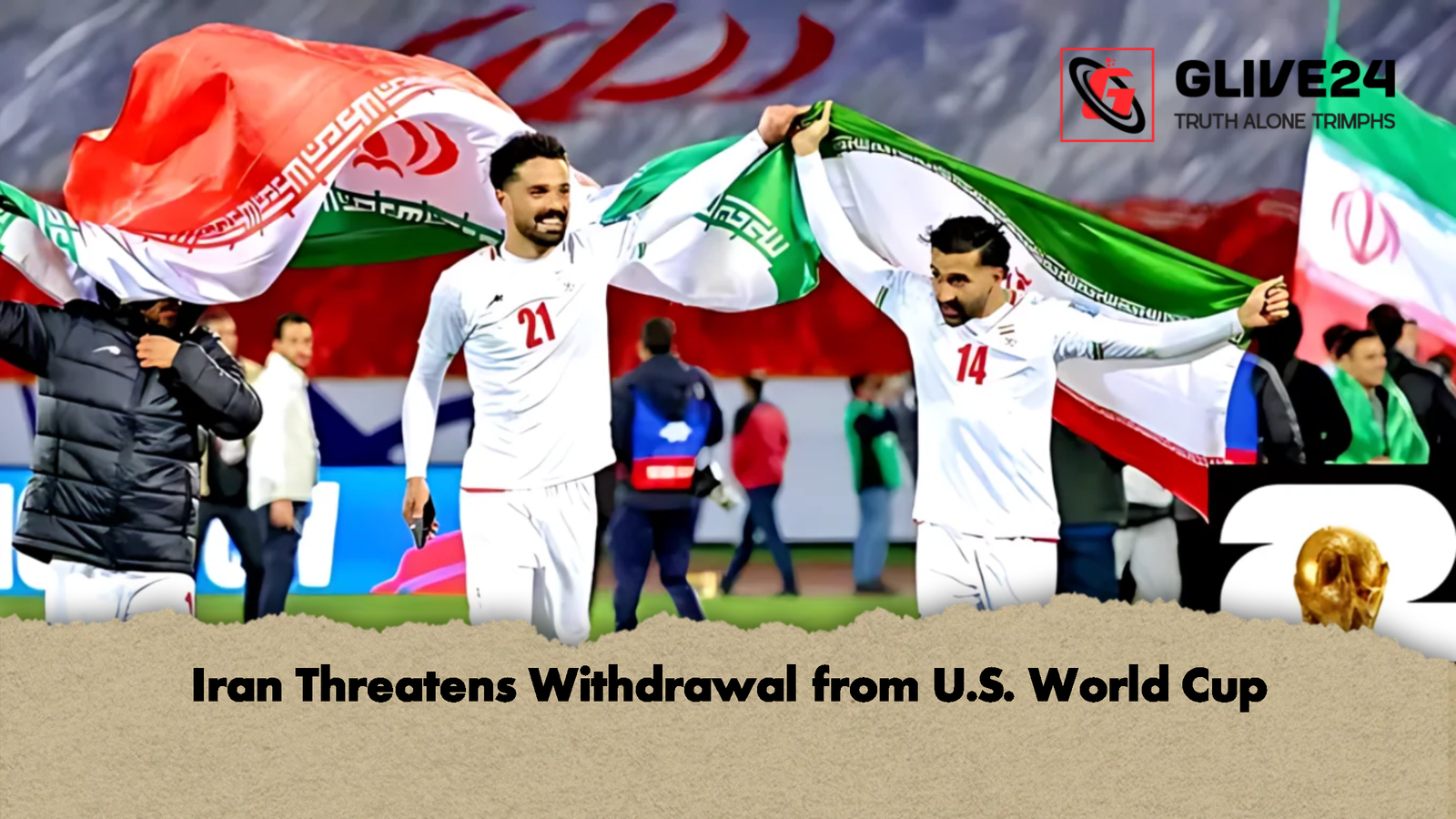
Iran’s Sports Minister, Ahmad Donyamali, has announced that the nation’s football team will refuse to participate in the 2026 FIFA World Cup in the United States. Speaking on Iranian state television, Donyamali stated:
“We cannot, under any circumstances, take part in a World Cup hosted in the country whose corrupt government has murdered our leader.”
The statement comes amid escalating regional tensions following nearly two weeks of conflict between Iran and Israel, which has now involved the United States. Recent airstrikes by U.S. and Israeli forces reportedly killed Iran’s Supreme Leader, Ayatollah Ali Khamenei, along with other senior officials. Donyamali stressed the humanitarian toll:
“In the last eight to nine months, two wars have been imposed on us. Thousands of our people have been killed. When our children’s safety cannot be guaranteed, the question of playing football abroad does not even arise.”
According to the December 2025 draw, Iran is placed in Group G, alongside Belgium, Egypt, and New Zealand. The team’s three group-stage matches were scheduled in the United States: two in Los Angeles and one in Seattle. If both Iran and the United States finish second in their respective groups, the sides would face each other in the Round of 32 on 3 July.
| Date | Opponent | Venue |
|---|---|---|
| Group Stage | Belgium | Los Angeles |
| Group Stage | Egypt | Los Angeles |
| Group Stage | New Zealand | Seattle |
| Round of 32 | USA* | TBD |
*Conditional match if both teams finish second in their groups
Iran notably did not attend last week’s FIFA preparatory meeting in Atlanta, fuelling speculation and debate. Former U.S. President Donald Trump had also commented on Iran’s potential participation, describing the country as “very badly beaten” in sporting terms, and appearing dismissive of its World Cup prospects.
FIFA President Gianni Infantino has expressed cautious optimism. After meeting with President Trump, Infantino posted on social media that the U.S. had assured him of Iran’s ability to participate:
“We discussed Iran’s current situation. President Trump confirmed that he has no objection to the Iranian team participating in the tournament in the United States.”
Infantino suggested that the World Cup could serve as a unifying global event amid political instability, emphasising football’s capacity to bring people together even in turbulent times.
FIFA Chief Operating Officer Heimo Shirgi added that the tournament could not be postponed despite regional unrest but that FIFA was monitoring the situation closely:
“We are evaluating the daily circumstances. At some point, the situation will resolve, and the World Cup will go ahead. It is such a large event that we hope all qualified teams will be able to participate.”
Should Iran ultimately withdraw, FIFA faces a delicate challenge. In 2023, Indonesia lost hosting rights for the U-20 World Cup after refusing to host Israel. With the U.S. hosting in 2026, FIFA must ensure both safety assurances and political neutrality. A voluntary withdrawal by Iran could set a significant precedent for how global football organisations navigate international conflicts.
The situation underscores the intersection of sport, politics, and diplomacy, highlighting the complexities facing teams from conflict-affected nations and the governing bodies responsible for global tournaments.

Comments