This week, leaders and policymakers in the Philippine insurance sector gathered to examine structural challenges and emerging opportunities, spotlighting a substantial protection gap, low life insurance penetration, intensifying cyber threats, and the pressing need for simpler, customer-centric products.
The country faces a protection gap estimated at USD 400 billion, roughly equivalent to its entire gross domestic product. Sanjay Chakrabarty, President and CEO of Pru Life UK, emphasised that bridging this gap is critical for promoting financial resilience and wealth democratisation.
“With life insurance penetration at just 1.8% and medical inflation climbing at 14%, the underserved and lower-middle-class segments remain highly vulnerable to shocks that could wipe out a lifetime of savings in a single event,” Chakrabarty told attendees at the Asian Banking & Finance and Insurance Asia Summit – Philippines on 10 March.
Table of Contents
Product Design and Customer Experience
Several executives underlined that while insurers often design products as modular building blocks, allowing customers to scale coverage over time, the actual experience for many Filipinos does not match this flexibility.
“Has anyone ever built a product for themselves when buying insurance?” asked Jose Eduardo Ang, Chief Product & Innovation Officer at Insular Life, highlighting the gap between product design and real-world customer experience.
Industry specialists emphasised that simpler, more transparent products are essential to expand coverage and improve accessibility. Arnolfo “Nol” de Leon, Chief Agency Officer at FWD Insurance, stressed that product development must remain customer-focused, while Anthony Louis Gunzon, Chief Marketing Officer of Malayan Insurance Co., Inc., highlighted affordability in relation to the “moment of truth”—the point when coverage is most urgently needed.
Cybersecurity as a Primary Risk
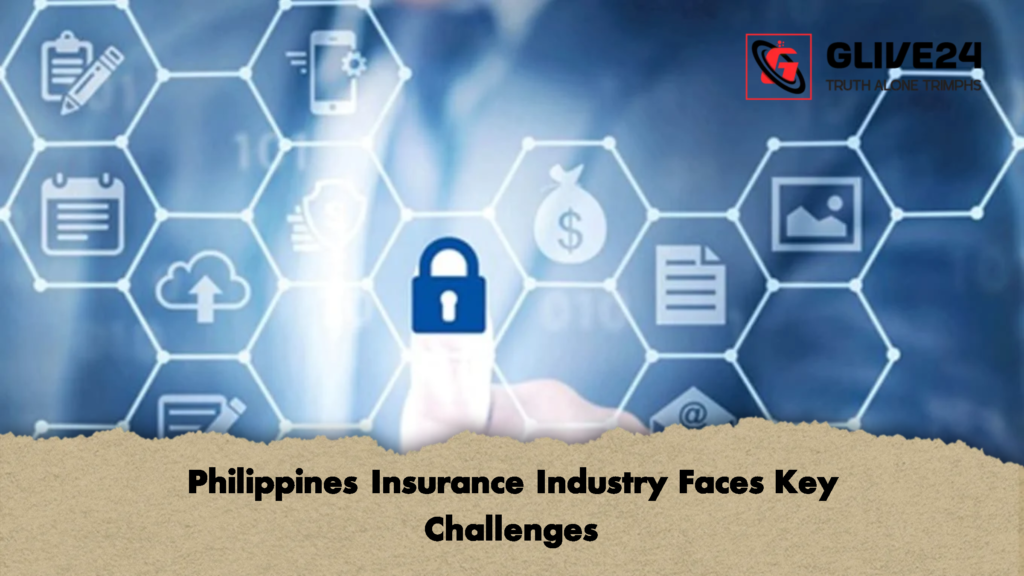
Cyber threats continue to be the most pressing global risk for insurers. Alvin Dave Pusing, Director for Financial Services and Risk Consulting at PwC, described cybercrime as a persistent “banana skin” for the sector.
“Cybercrime has ranked as the top risk across Europe, Asia-Pacific, North America, and Africa since 2023,” Pusing noted, stressing the need for robust governance and operational controls to safeguard both insurers and their customers.
Building Trust and Financial Inclusion
Karen Jill Espineli, Chief Compliance Officer and General Counsel at AXA Philippines, highlighted that insurers have a unique opportunity to strengthen trust and broaden financial inclusion by improving how vulnerable customers are identified and supported. She cautioned against the “toxicity of success” and a tendency to delay strategic planning, which can hinder an insurer’s readiness for future challenges.
Jonathan Juan “JJ” Moreno, incoming CEO and Country Head of Sun Life Philippines, stressed that the sector must move beyond incremental digitisation and take decisive action.
“The future is already here; the only variable is whether leaders are acting accordingly,” Moreno said.
Philippine Insurance at a Glance
| Metric | Value | Commentary |
|---|---|---|
| Life insurance penetration | 1.8% | Extremely low; reflects large protection gap |
| Protection gap | USD 400 billion | Equivalent to national GDP |
| Medical inflation | 14% | Heightens financial vulnerability |
| Cybercrime risk | Top global concern | Requires enhanced governance and controls |
The Philippine insurance industry faces a complex mix of challenges and opportunities. Expanding coverage, simplifying products, addressing cyber threats, and prioritising vulnerable populations are critical to building financial resilience. Industry leaders agree that decisive action, rather than delayed digital initiatives, is essential for creating a sector that is inclusive, reliable, and future-ready.