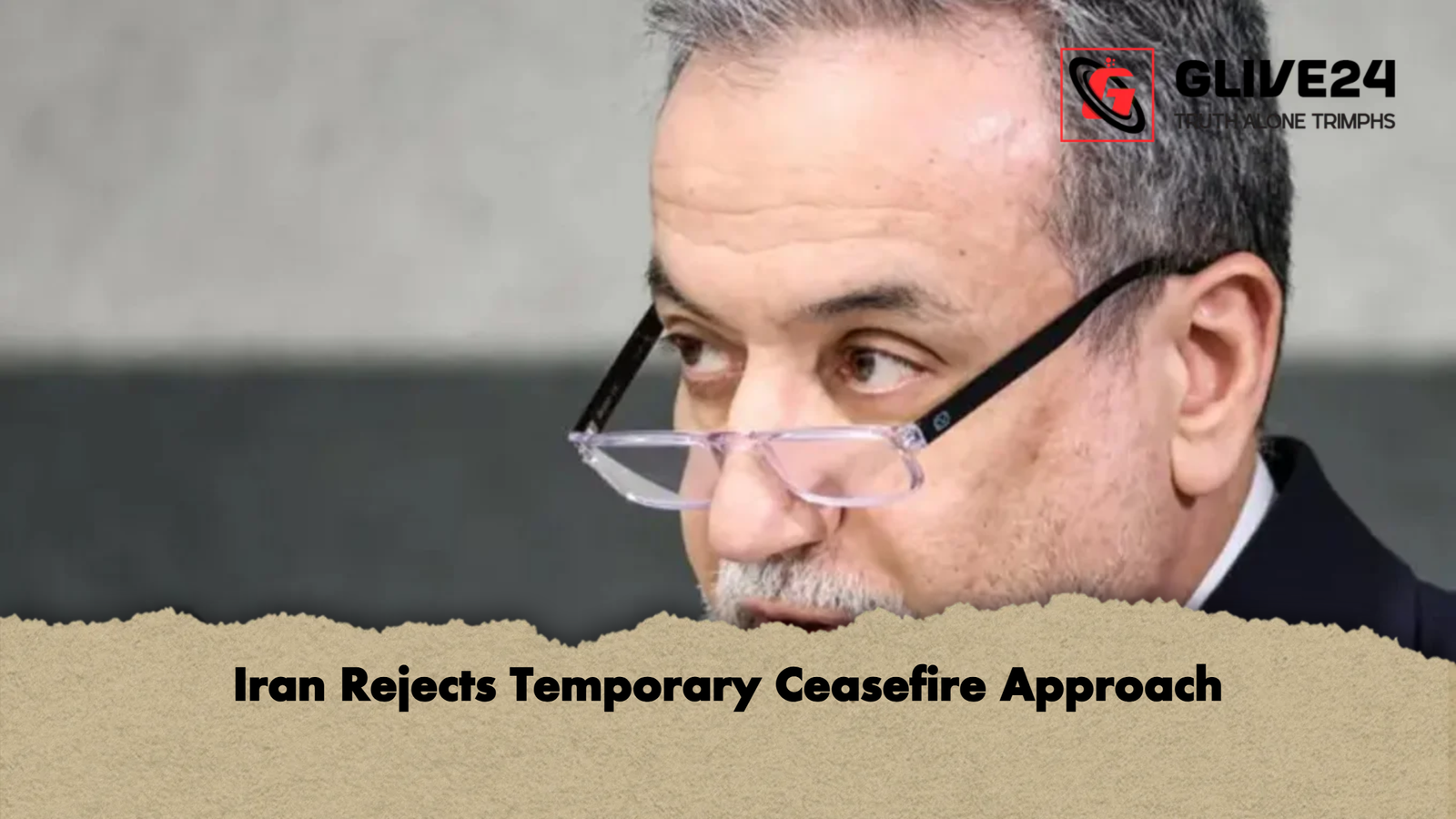
Iran has reiterated its willingness to support any credible diplomatic initiative aimed at ending the ongoing conflict in the Middle East, while firmly rejecting the notion of a short-term or symbolic ceasefire. Instead, Tehran is calling for a comprehensive and lasting resolution that addresses the root causes of instability in the region.
Speaking in an interview with Kyodo News, Iran’s Foreign Minister Abbas Araghchi emphasised that the current conflict had been “imposed” upon Iran, and argued that the United States has yet to demonstrate genuine intent to bring hostilities to an end. The interview was later republished by Iran’s state-affiliated Mehr News Agency, amplifying Tehran’s official stance on the matter.
Araghchi acknowledged that several countries and international actors are actively working to de-escalate tensions in the Middle East. He noted that Iran remains open to reviewing and considering any proposal that offers a realistic and effective pathway towards peace. However, he expressed scepticism about the role of Washington, stating that the United States appears unwilling to halt what he described as ongoing “aggression”.
According to the Iranian foreign minister, past experiences have shown that temporary ceasefires often fail to produce sustainable outcomes. While such measures may reduce violence in the short term, they tend to leave underlying political, territorial, and security disputes unresolved. As a result, conflicts frequently re-emerge, sometimes with greater and complexity.
Tehran’s current position reflects a broader strategic outlook that prioritises long-term regional stability over immediate but fragile pauses in fighting. Analysts suggest that Iran’s insistence on a “final solution” is also linked to its desire to secure stronger geopolitical footing and ensure that any agreement includes binding guarantees for its national security interests.
The Middle East remains one of the most volatile regions in global politics, where overlapping rivalries between regional powers and external actors complicate peace efforts. Diplomatic initiatives often face challenges due to diverging priorities, mistrust, and the absence of a unified framework for conflict resolution.
The key elements of Iran’s position are summarised below:
| Issue | Iran’s Position |
|---|---|
| Ceasefire | Opposes temporary arrangements |
| Peace Initiatives | Open to credible and effective proposals |
| US Role | Accused of lacking commitment to ending conflict |
| Strategic Goal | Long-term stability and security guarantees |
In conclusion, Iran is signalling that it is not opposed to diplomacy, but insists that any agreement must go beyond a superficial cessation of hostilities. For Tehran, a durable peace requires addressing the structural drivers of conflict, rather than relying on interim measures that risk prolonging instability.