The coastal district of Barguna in southern Bangladesh is grappling with an escalating public health emergency as successive waves of infectious diseases continue to strain an already overstretched healthcare system. Once heavily impacted by dengue, then affected by measles outbreaks, the district is now witnessing a sharp rise in diarrhoeal cases, deepening concerns among health officials and residents alike.
According to data from the district health authorities, Barguna was among the worst-affected regions during last year’s dengue outbreak. Nearly 9,749 patients were admitted to hospitals, with fatalities approaching fifty. Even as the health system struggled to recover from that crisis, a measles outbreak emerged, resulting in the confirmed deaths of three children. Now, diarrhoea has spread rapidly across the district, adding a new layer of pressure on medical facilities.
So far this year, 2,703 people have been infected with diarrhoea, of whom 2,481 have recovered. However, the situation remains volatile, with over 400 new cases recorded within just the past week. In the last 24 hours alone, 96 patients were admitted to hospital, including 53 at the district headquarters hospital. Among the recent admissions are 21 children and 21 women, highlighting the vulnerability of both young and marginalised populations.
Current Disease Situation in Barguna
| Disease | Total Cases | Recovered | Recent Admissions | Deaths |
|---|---|---|---|---|
| Dengue | 9,749 | Not specified | Not available | Nearly 50 |
| Measles | Increasing | Not specified | Ongoing cases | 3 children |
| Diarrhoea | 2,703 | 2,481 | 96 (last 24 hours) | None reported |
Medical experts attribute the recurring outbreaks in Barguna to a combination of unsafe drinking water, widespread malnutrition, and limited public health awareness. As a low-lying coastal area, many communities depend on contaminated or saline-affected water sources, particularly during the warmer months when water scarcity intensifies. This significantly increases the risk of waterborne diseases such as diarrhoea.
Compounding the crisis is the issue of incomplete immunisation coverage. Health professionals report that many parents fail to ensure timely vaccination for their children, particularly after nine months of age, leaving them vulnerable to preventable diseases. Maternal malnutrition is also contributing to weakened immunity among infants, further exacerbating the situation.
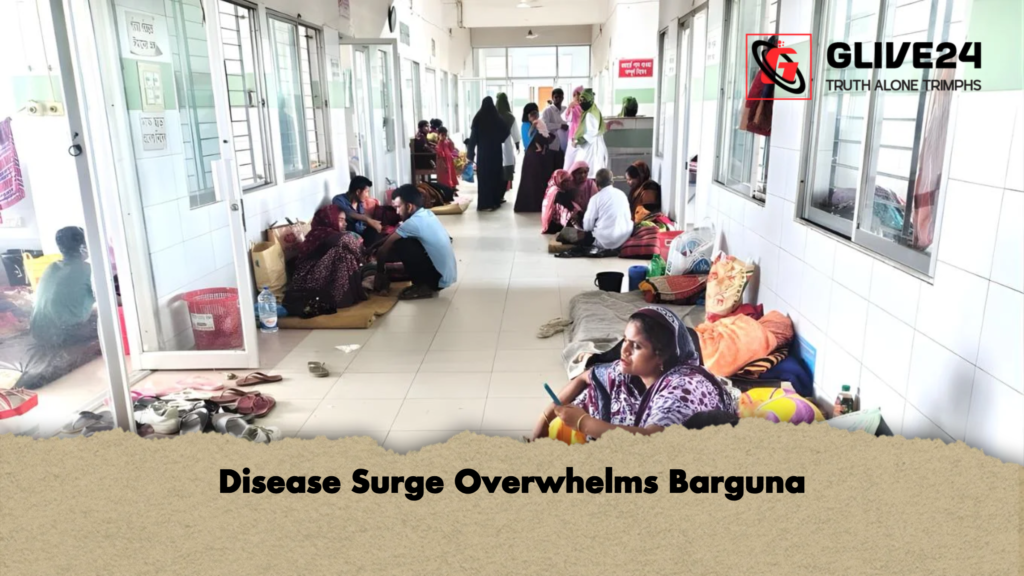
The 250-bed Barguna District Hospital is currently under severe strain. Although a dedicated ward has been established for measles patients, bed shortages have become acute, forcing some patients to receive treatment on hospital floors. Doctors and nurses warn that managing simultaneous outbreaks of dengue, measles, and diarrhoea has become increasingly unmanageable.
In response, the Directorate General of Health Services has identified Barguna as a measles hotspot and launched a targeted vaccination campaign, including a 21-day outreach and immunisation drive across the district. Public health messaging has also intensified, focusing on safe drinking water practices and food hygiene to curb the spread of diarrhoeal disease.
Hospital authorities, however, caution that delays in diagnostic services are worsening the crisis, as many samples must still be sent to the capital for testing. This slows response times and allows infections to spread further within communities.
Experts emphasise that breaking this cycle of recurring outbreaks will require a long-term, integrated strategy. Beyond awareness campaigns, sustained investment in safe water infrastructure, improved nutrition, and comprehensive vaccination coverage is essential to achieving lasting public health stability in Barguna.