
Khabor Wala Desk
Published: 12th April 2026, 5:29 PM
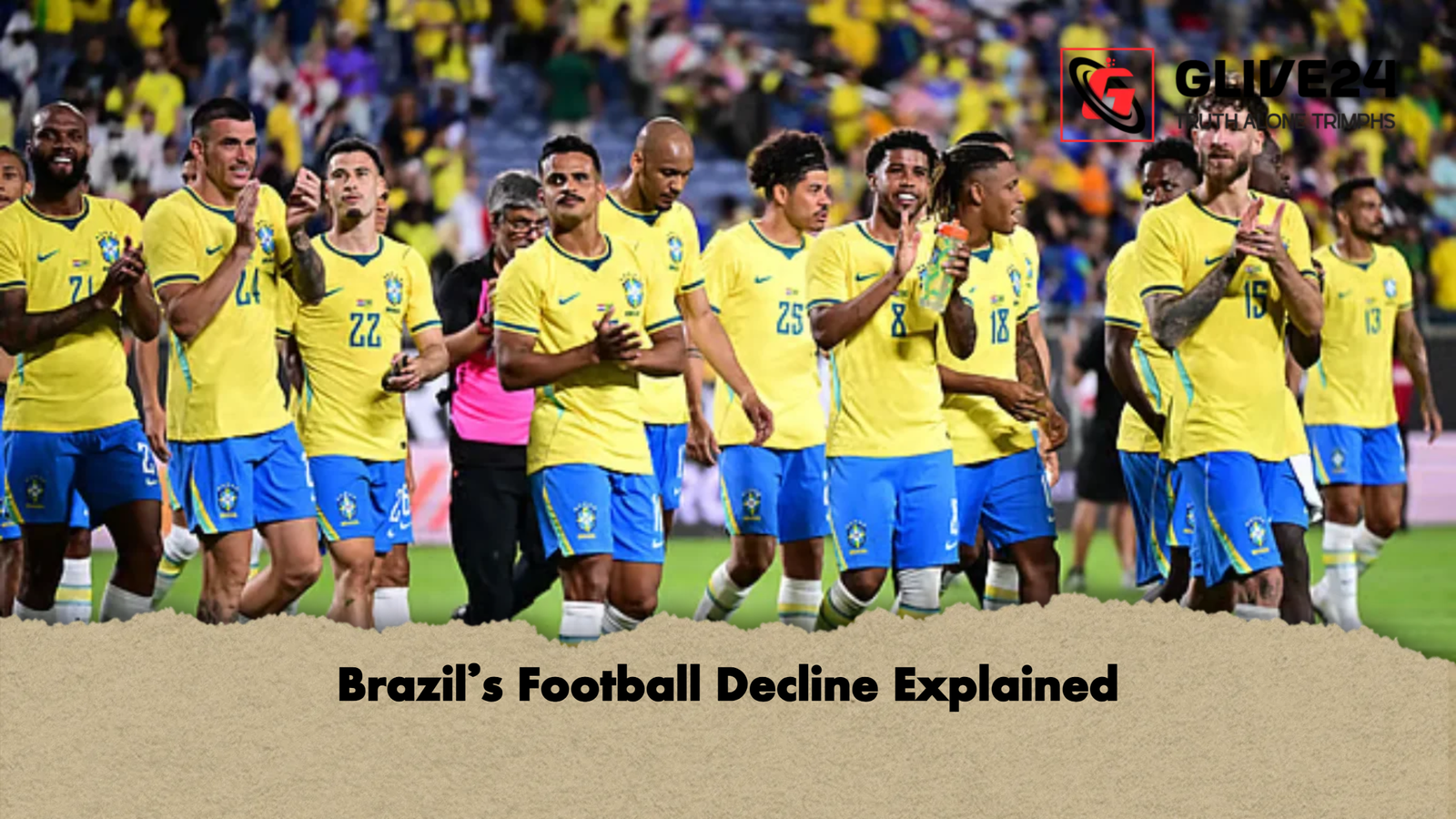
Brazilian football is no longer at its former peak, a concern frequently echoed by supporters of the five-time world champions. Since their last FIFA World Cup triumph in 2002, Brazil have not reached the final, and the country has produced far fewer globally dominant stars compared with previous generations.
A detailed explanation of this perceived decline has been offered by legendary striker Romário, who won the 1994 FIFA World Cup with Brazil, he identified two key factors behind the downturn in Brazilian football. According to him, one factor is domestic, while the other is linked to broader global changes in the sport.
Romário, who won the Golden Ball at the 1994 World Cup but did not receive the Ballon d’Or that year—an award then restricted largely to European players—used that context to reflect on Brazil’s current standing. He stated: “Brazilian football is no longer the same. It is no longer producing players capable of competing for the Ballon d’Or as it did 15 or 20 years ago.”
He then outlined two principal reasons for this shift.
The first is the disappearance of “street football.” Romário argued that Brazil’s traditional strength came from players developed in informal environments such as favelas and urban streets. He himself grew up in Rio de Janeiro’s favela communities, where he developed his technical ability and playing style through unstructured football. In his view, the increasing institutionalisation and artificial nature of modern football training has reduced space for natural creativity and instinctive skill development.
The second reason, according to Romário, is the growing prioritisation of physicality over artistry in modern football. He noted that contemporary football places greater emphasis on athleticism, strength, and physical conditioning rather than technical flair. This shift, he believes, has limited the emergence of naturally creative Brazilian players capable of deciding matches through individual brilliance.
A reflection of this trend can be seen in individual awards. Since Kaká won the Ballon d’Or in 2007, no Brazilian player has claimed the prize. Neymar has come close on several occasions, and Vinícius Júnior has also been a strong contender, but neither has achieved a decisive lead over global competition.
| Player | Achievement | Year |
|---|---|---|
| Romário | FIFA World Cup Golden Ball | 1994 |
| Kaká | Ballon d’Or winner | 2007 |
| Neymar | Multiple nominations/near wins | Various |
| Vinícius Júnior | Contender | Recent years |
Looking ahead to the upcoming FIFA World Cup in the United States next June, Brazil’s squad composition and leadership remain under discussion. Romário stressed that the team should not rely on a single individual. He noted that such dependence is risky and highlighted the presence of experienced players such as Raphinha and Vinícius Júnior, alongside emerging talents including João Pedro and Estêvão.
His assessment reflects a broader discussion within Brazilian football regarding structural changes in player development and the evolving nature of the global game.



Comments