
Khabor Wala Desk
Published: 25th April 2026, 10:31 PM
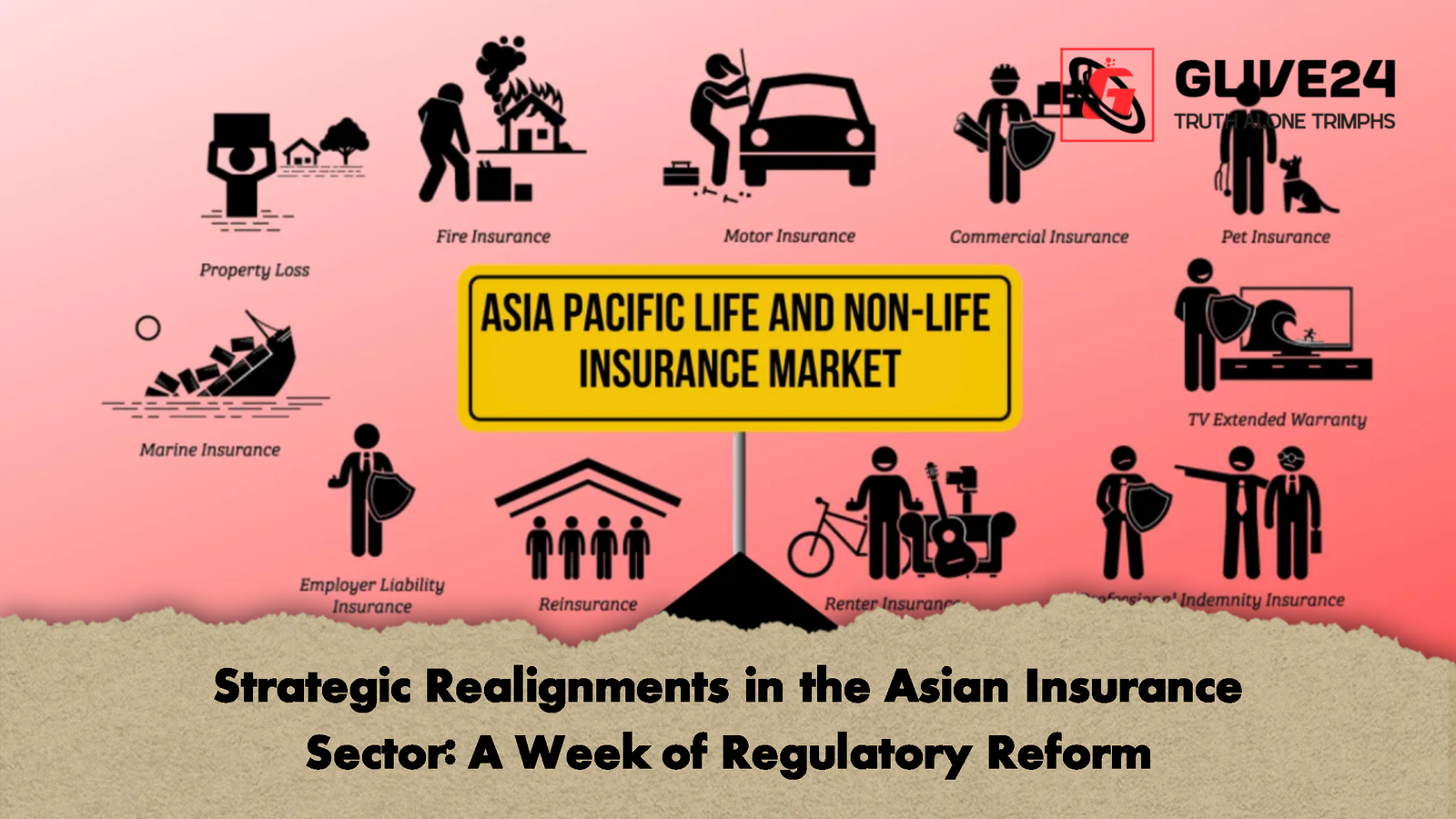
The trading week spanning 20 to 24 April 2026 has proven pivotal for the financial services architecture of South and Southeast Asia. Faced with a dual challenge of intensifying climate-related catastrophes and heightened geopolitical tensions, national regulators and private enterprises have moved to formalise risk-mitigation strategies. These developments reflect a broader regional shift towards self-reliance in insurance capacity and the accelerated digitisation of financial protection.
Table of Contents
In Sri Lanka, the Insurance Regulatory Commission of Sri Lanka (IRCSL) has spearheaded a national roadmap designed to fundamentally restructure the country’s approach to disaster risk. This move follows the catastrophic passage of Cyclone Ditwah in November 2025, an event that served as a catalyst for urgent regulatory reform.
The IRCSL has published data indicating that the storm’s economic toll reached $4.1 billion, an immense sum that accounted for roughly 4% of the nation’s 2024 GDP. The newly unveiled roadmap is not merely a recovery plan but a strategic framework aimed at increasing insurance penetration amongst the populace and local businesses. By fostering public-private partnerships, the IRCSL intends to diminish the state’s role as the ‘insurer of last resort,’ thereby protecting the sovereign exchequer from future environmental shocks and ensuring that capital is available for rapid reconstruction.
Simultaneously, the Government of India has taken a decisive step to insulate its shipping and logistics sectors from the fluctuations of the global reinsurance market. The creation of the Bharat Maritime Insurance Pool represents a significant move towards financial autonomy. This initiative is underpinned by a substantial $1.4 billion (INR 129.8 billion) sovereign guarantee, providing the necessary credit enhancement to support large-scale domestic underwriting.
The pool is structured to provide a comprehensive suite of maritime protections that were previously heavily dependent on international P&I (Protection and Indemnity) clubs. The coverage includes:
Hull and Machinery: Safeguarding the physical integrity of the Indian merchant fleet.
Cargo: Ensuring the continuity of trade by protecting goods in transit.
P&I Liabilities: Addressing third-party claims and environmental liabilities.
War Risks: Providing essential security for vessels navigating through high-risk corridors, particularly relevant given current global maritime instabilities.
By retaining these premiums within the domestic economy, India aims to reduce its reliance on foreign exchange outflows for insurance services.
In Singapore, the commercial impact of the Middle East conflict has been quantified through a detailed poll conducted by the Singapore Business Federation (SBF). The survey results underscore the vulnerability of a trade-dependent hub to distant geopolitical disruptions. Two out of every three Singaporean firms reported that their operations have been hindered by the ongoing hostilities, primarily citing increased logistics costs and supply chain bottlenecks.
There is a notable disparity in how different segments of the economy perceive these risks. 42% of large-scale enterprises reported a heightened exposure to insurance and security-related costs, whereas only 17% of Small and Medium Enterprises (SMEs) expressed similar concerns. This suggests that while SMEs are struggling with general economic inflation, it is the larger firms with complex, international supply chains that are bearing the brunt of rising insurance premiums and the necessity for enhanced security protocols.
The Philippines is poised to see a significant expansion in its technology sector, with the Banking, Financial Services, and Insurance (BFSI) vertical acting as the primary catalyst. According to GlobalData, the BFSI sector will remain the dominant end-user of ICT services through 2029, contributing 14% of the cumulative revenue in a market expected to grow from $21.3 billion to $35 billion.
This digital growth is mirrored by private sector activity. Cover Genius has expanded its footprint through a partnership with Tongcheng Travel, introducing bespoke travel insurance products to the Malaysian and Philippine markets. Meanwhile, the insurtech firm bolttech has bolstered its leadership by appointing Kohei Watanabe as General Manager for Japan. With a career spanning two decades at Tokio Marine and Tokio Marine Kiln, Mr Watanabe is tasked with overseeing the firm’s Japanese P&L and corporate underwriting, bridging the gap between traditional insurance expertise and modern insurtech delivery.




Comments