
Khabor Wala Desk
Published: 7th May 2026, 1:24 AM
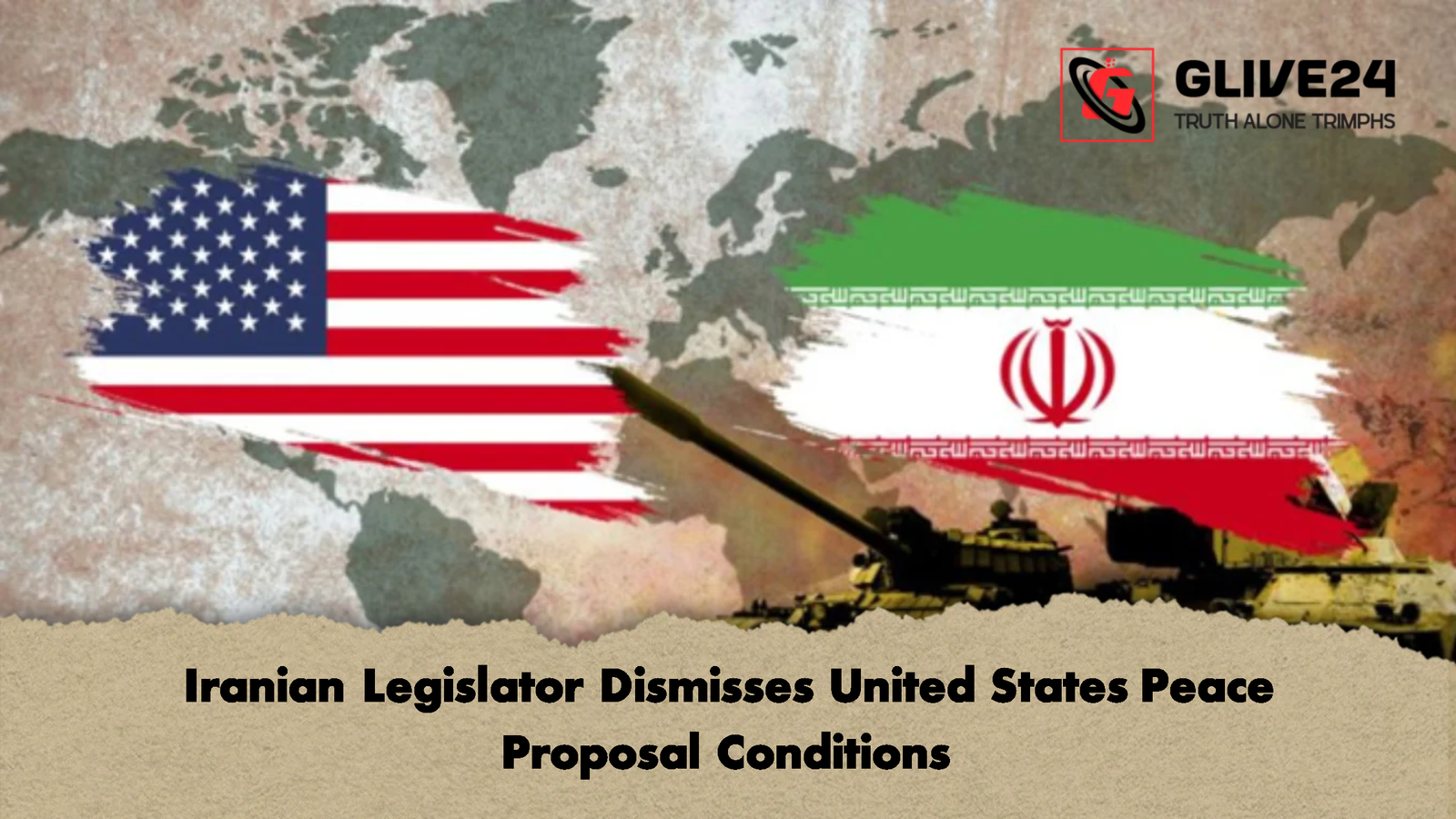
Efforts to secure a cessation of hostilities between the United States and the Islamic Republic of Iran have encountered a substantial hurdle following a sharp rebuttal from a senior Iranian lawmaker. On Wednesday, 6 May 2026, Ebrahim Rezaei, a prominent member of the Iranian Parliament, rejected a reported diplomatic framework put forward by Washington. Rezaei characterised the American initiative as a “wish list” of aspirations rather than a realistic basis for a diplomatic settlement, casting doubt on the viability of recent peace overtures.
The development follows a report by the American news outlet Axios, which claimed that Washington and Tehran were close to finalizing a memorandum of understanding aimed at ending active conflict. However, the dismissal by legislative figures in Tehran suggests a significant divergence between the proposed terms and the strategic demands of the Iranian leadership.
Table of Contents
The diplomatic framework reported by Axios envisioned an immediate end to hostilities, followed by a 30-day transition period. This timeframe was intended to facilitate high-stakes negotiations regarding several core issues that have fuelled decades of bilateral tension. The primary components of the proposed discussions included:
Nuclear Oversight: New restrictions and monitoring protocols for Iran’s nuclear programme.
Economic Sanctions: The phased removal of United States-led sanctions on Iranian entities.
Financial Repatriation: The release of billions of dollars in Iranian state assets currently frozen in overseas banks.
Maritime Security: Formal guarantees regarding the unhindered passage of vessels through the Strait of Hormuz.
Despite the comprehensive nature of these points, the proposal has failed to find support within the influential National Security and Foreign Policy Committee of the Iranian Parliament.
Ebrahim Rezaei utilised the social media platform X to articulate his opposition, suggesting that the United States was attempting to use diplomacy to recoup losses sustained during military confrontations.
“The message of the Axios news is more of a list of American desires than a reality,” Rezaei remarked. “The Americans will obtain nothing from a war they are losing, nor will they achieve what they could not gain through face-to-face negotiations.”
This rhetoric aligns with a broader sentiment in Tehran that views American diplomatic efforts as a tactical attempt to mitigate a declining military position rather than a genuine pursuit of regional stability.
While the legislative branch has been vocal, the Iranian Government has yet to issue a formal executive response. The Tasnim News Agency noted that while the administration remains officially silent, internal sources indicate deep-seated dissatisfaction.
An anonymous senior Iranian official informed Tasnim that several specific conditions within the American proposal are deemed “unacceptable.” The official further criticised the tone of the communication, stating:
“The use of the language of threats against Iran is ineffective. Using such language may only worsen the current situation for the United States.”
The focus on the Strait of Hormuz highlights the international urgency of the situation. As a chokepoint through which approximately 20% of the world’s daily oil supply passes, any continued instability poses a direct threat to global energy markets. The United States has long prioritised “freedom of navigation” in these waters, leading to frequent naval stand-offs with the Islamic Revolutionary Guard Corps (IRGC). The rejection of the peace proposal indicates that the security of this vital corridor remains tied to the broader deadlock over sanctions and nuclear sovereignty.
As of early May 2026, the prospect of a breakthrough remains hampered by profound mutual distrust. According to reports monitored by Reuters, without the explicit endorsement of both the Iranian executive and the legislative branches, the Axios-reported memorandum remains a speculative document.
Washington continues to advocate for a time-bound resolution to prevent further regional escalation. However, Tehran maintains that any functional treaty must include the total cessation of what it describes as “economic warfare” and the formal recognition of its regional security interests. The envisioned 30-day window for stability currently lacks the bilateral consensus required to initiate the process.



Comments