
Khabor Wala Desk
Published: 7th May 2026, 7:33 PM
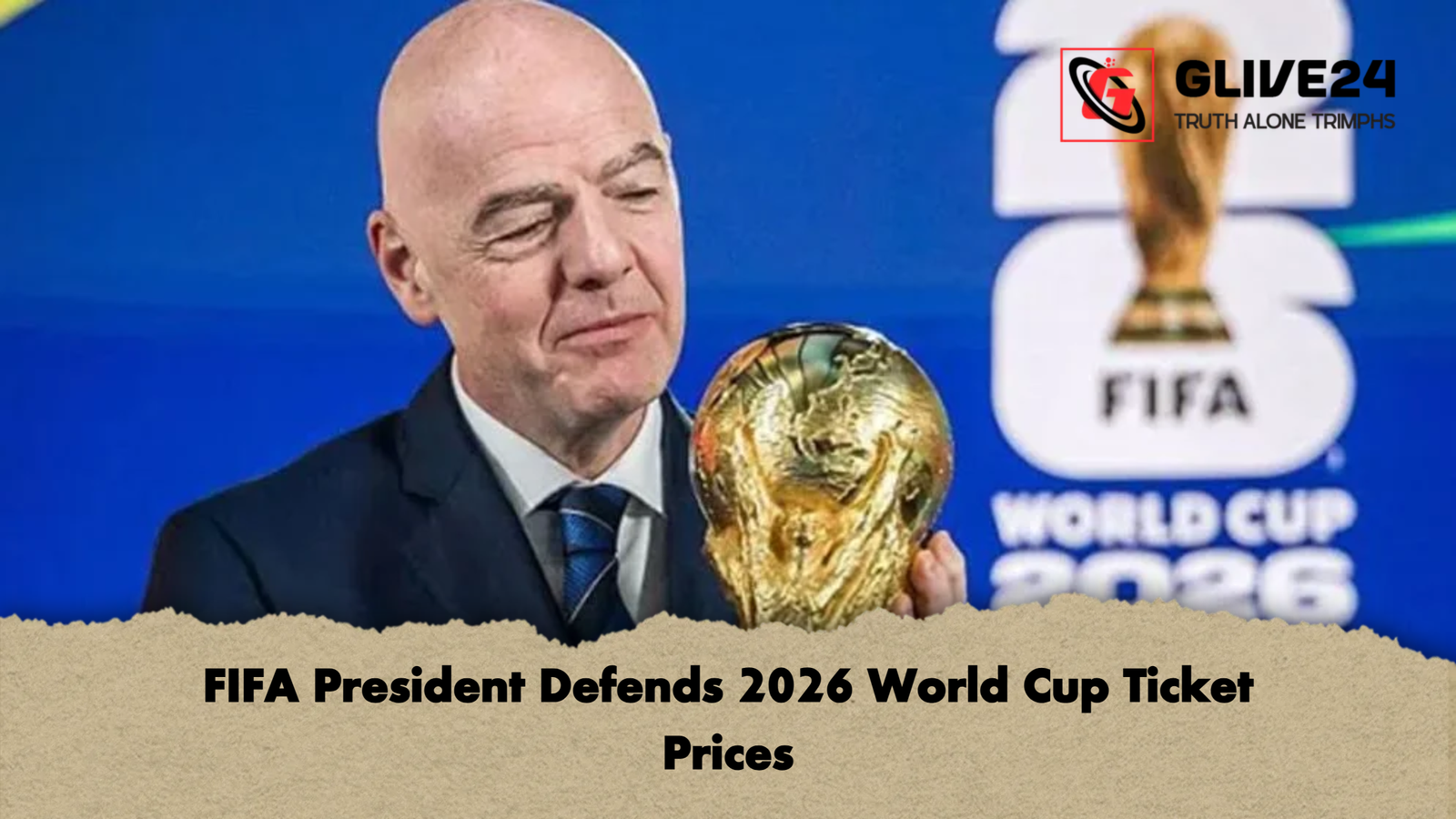
FIFA President Gianni Infantino has formally addressed the escalating criticism regarding the pricing structure for the 2026 FIFA World Cup tickets. Following widespread concerns from international fan bases, Infantino maintained that the current pricing strategy is a direct reflection of the North American market dynamics and the specific legalities governing ticket reselling in the United States.
The 2026 tournament, hosted jointly by the United States, Canada, and Mexico, has faced significant scrutiny from advocacy groups. Football Supporters Europe (FSE) has been particularly vocal, categorising the price points as “excessive” and “anti-supporter.” Reports indicate that the dissatisfaction has progressed beyond verbal protest, with some organisations reportedly initiating legal proceedings against world football’s governing body over the alleged exploitation of fans.
A primary catalyst for the outcry was the observation of tickets for the 2026 World Cup final appearing on resale platforms for sums reaching several million dollars. Infantino clarified that these figures do not represent the face value set by FIFA but are instead the result of a secondary market driven by unprecedented global demand.
In his defence of the price points, Infantino highlighted the unique regulatory environment of the United States. Unlike many other jurisdictions, the resale of tickets is legally permitted and widely practiced in the U.S. commercial sports landscape.
Infantino argued that if FIFA were to set initial prices significantly below market value, it would merely incentivise third-party scalpers to purchase the inventory and relist it at substantial mark-ups. Consequently, FIFA’s strategy aims to align initial prices with market realities to ensure that the revenue remains within the sport’s ecosystem rather than being diverted to secondary speculators.
| Feature | Details and Statistics |
| Total Ticket Applications | Over 500 million requests received to date. |
| Comparison | Current demand exceeds the previous two World Cups combined. |
| Primary Pricing Driver | U.S. market standards and resale legalities. |
| Resale Peak | Final match tickets listed for millions of dollars on secondary sites. |
| Supporter Action | Legal challenges initiated by Football Supporters Europe (FSE). |
The scale of interest in the 2026 edition is statistically historic. FIFA has confirmed that they have already received in excess of 500 million ticket applications. To put this in perspective, this figure surpasses the total applications for the 2018 tournament in Russia and the 2022 tournament in Qatar combined.
While acknowledging the high costs of premium matches, the FIFA President asserted that a significant portion of tickets for the group stages has been kept at a lower price bracket to ensure accessibility. However, he maintained that for major sporting events in the United States—such as the Super Bowl or high-stakes NBA fixtures—higher price ceilings are standard. By adopting this tiered approach, FIFA intends to balance the financial requirements of hosting a 48-team tournament with the necessity of maintaining a diverse spectator demographic.




Comments