Khabor Wala Desk
Published: 11th May 2026, 8:11 PM
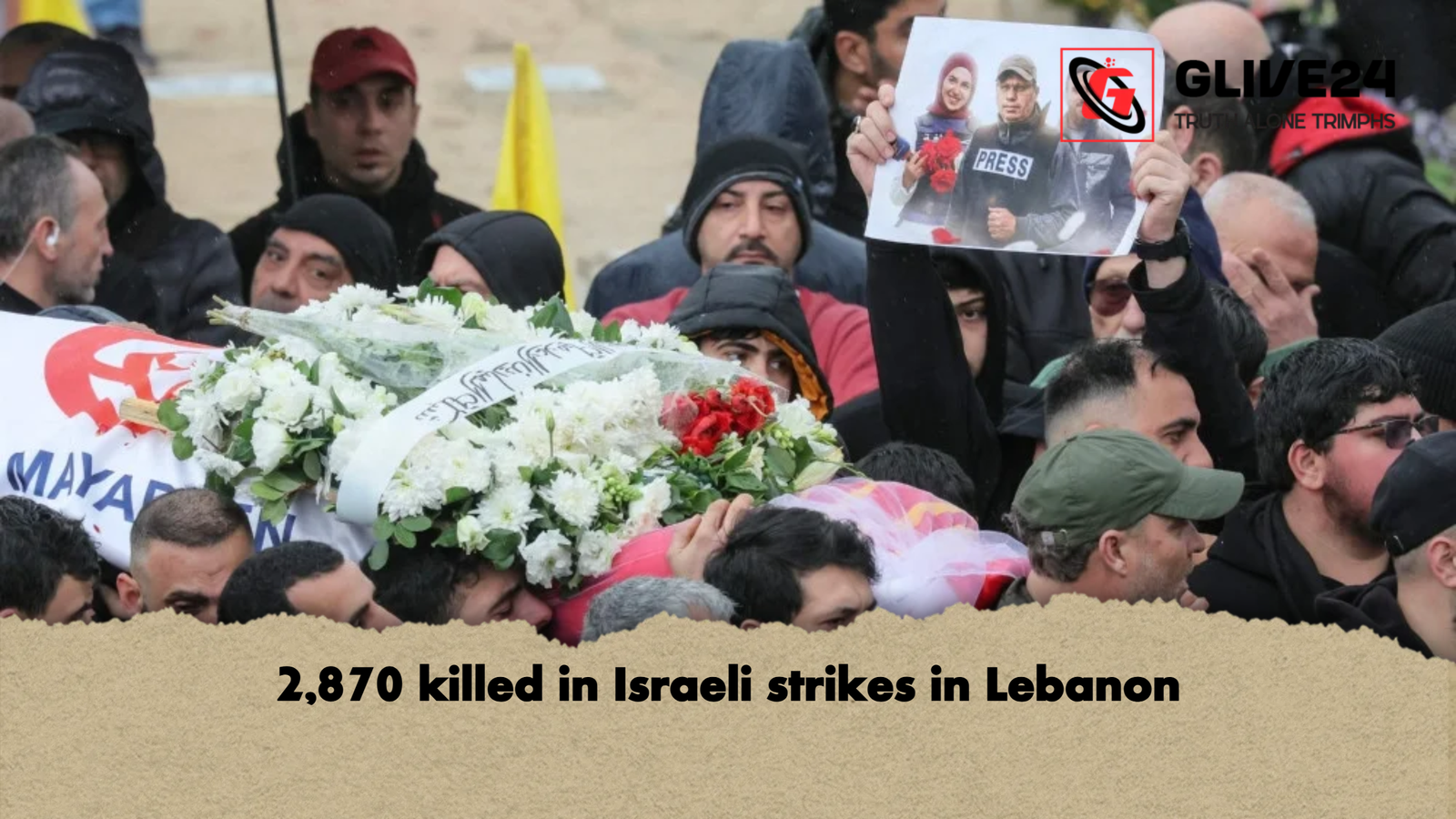
Lebanon’s Ministry of Public Health has reported that 2,870 people have been killed in Israeli strikes in the country. According to the ministry’s latest figures, at least 2,869 deaths have been recorded since renewed hostilities escalated on 2 March, when the conflict intensified again.
The ministry also confirmed that 8,730 people have been injured as a result of the strikes. These figures represent the most recent official update on casualties issued by the Lebanese health authorities.
Separately, the United Nations has stated that Lebanon’s total population is approximately 5.8 million. It further noted that more than half of the population is now dependent on humanitarian assistance in order to meet basic survival needs. This includes access to food, healthcare, and other essential services, reflecting the scale of the humanitarian situation in the country.
Previously, a ceasefire between Israel and Lebanon was announced on 17 April following United States mediation. However, despite the announcement, the situation on the ground has not significantly improved, with continued instability reported in several areas.
The Lebanese Ministry of Public Health continues to update casualty figures as new information becomes available from affected regions. The figures reflect confirmed reports compiled through official medical and administrative channels.
| Category | Figure |
|---|---|
| Total killed (reported) | 2,870 |
| Killed since 2 March escalation | At least 2,869 |
| Total injured | 8,730 |
| Estimated population | 5.8 million |
| Population reliant on humanitarian aid | More than half |
The data provided by the ministry indicates that the majority of fatalities have occurred since the escalation of hostilities beginning in early March. The distinction between the total reported death toll and the figure recorded since 2 March reflects ongoing updates as new cases are verified and added to official records.
The United Nations assessment highlights the growing pressure on humanitarian infrastructure within Lebanon. With a significant proportion of the population reliant on external assistance, humanitarian agencies continue to operate under strained conditions.
Despite the declared ceasefire on 17 April, mediated by the United States, the absence of sustained improvement in security conditions has been noted in official and international reports. The ceasefire announcement has not yet resulted in a stable reduction of hostilities according to the available verified information.
The Ministry of Public Health remains the primary source for casualty reporting within Lebanon, and its figures are updated periodically as verified data from hospitals and regional authorities are consolidated.
No related posts available.
Comments