
Khabor Wala Desk
Published: 12th May 2026, 12:15 AM
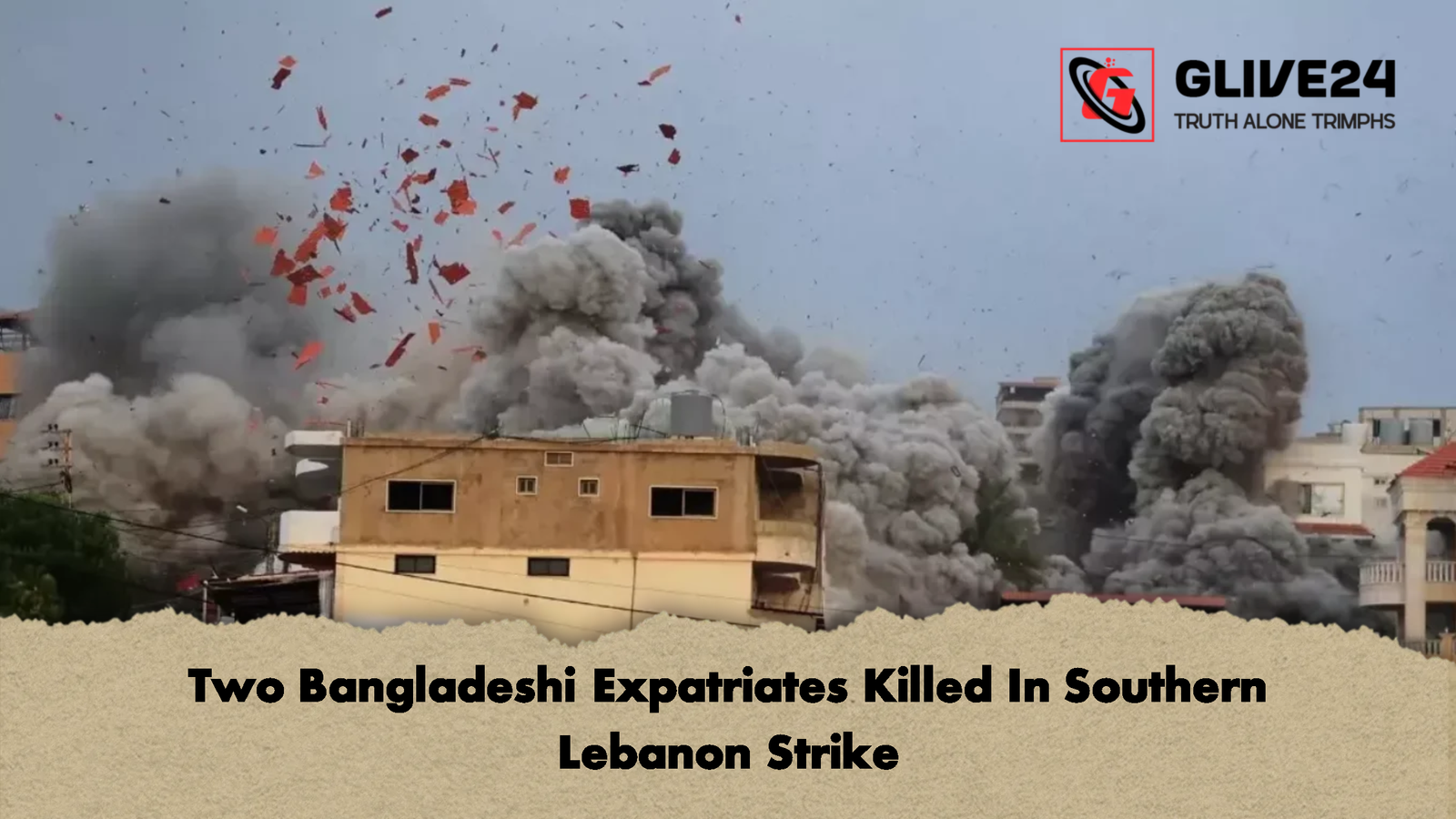
Two Bangladeshi expatriate workers have been killed following an Israeli drone strike in southern Lebanon. The incident, which occurred on Monday, targeted a residential building in the Zebdine area. In addition to the two Bangladeshi nationals, a Syrian citizen also lost his life in the same explosion. The details of the fatalities were initially reported by the Lebanon-based news outlet, L’Orient Today, which monitors security developments along the border regions.
According to preliminary reports, all three individuals were employed as labourers within the Zebdine district. While the deaths have been confirmed by local sources and media, the specific identities and home districts of the two Bangladeshi workers have yet to be officially verified by diplomatic channels. It is understood that they were part of the large migrant worker population that provides essential services in various sectors across Lebanon, despite the escalating security risks in the southern territories.
The strike on the residential house marked the second round of Israeli military activity in the Zebdine area on that particular Monday. Earlier in the day, a separate drone strike targeted a delivery van transporting bread for the Zebdine municipality. That initial attack resulted in the deaths of two local residents. The subsequent strike, which claimed the lives of the expatriate workers, indicates a concentrated period of aerial activity in the region, which has seen intensified hostilities over recent months.
The humanitarian impact of these operations continues to widen. Since the resurgence of large-scale military operations on 2 March of this year, the Lebanese Ministry of Health has documented a significant increase in casualties. Official figures released by the ministry indicate that at least 2,869 individuals have been killed, with a further 8,730 people sustaining various degrees of injury. These statistics encompass both combatants and non-combatants, reflecting the high intensity of the ongoing cross-border conflict.
The security situation remains volatile despite international attempts to broker a cessation of hostilities. On 16 April, United States President Donald Trump announced a ten-day ceasefire agreement between Lebanon and Israel. However, the terms of this particular truce were notably narrow. Observers highlighted that the agreement lacked any explicit mention of Hezbollah, the Iran-backed Lebanese armed group that has been the primary actor engaged in direct confrontations with Israeli forces for many years.
Because the ceasefire did not formally include Hezbollah, military engagements have continued in several sectors of southern Lebanon. The lack of a comprehensive regional agreement has left expatriate workers and civilians in the south vulnerable to ongoing aerial bombardments and drone surveillance. Many Bangladeshi nationals living in these zones are often caught in the crossfire while attempting to maintain their livelihoods in agricultural or service-oriented roles near the frontline.
The Bangladesh Embassy in Beirut has previously issued advisories to its citizens, urging them to move away from conflict-prone areas in the south and seek safety in more stable regions to the north or in the capital city. However, logistical challenges and employment obligations often prevent many migrant workers from evacuating immediately. The latest fatalities underscore the acute dangers faced by the expatriate community as the conflict persists without a robust or inclusive diplomatic resolution. The Lebanese Ministry of Health continues to update casualty lists daily as search and rescue operations proceed in the aftermath of targeted strikes in residential and municipal zones.



Comments