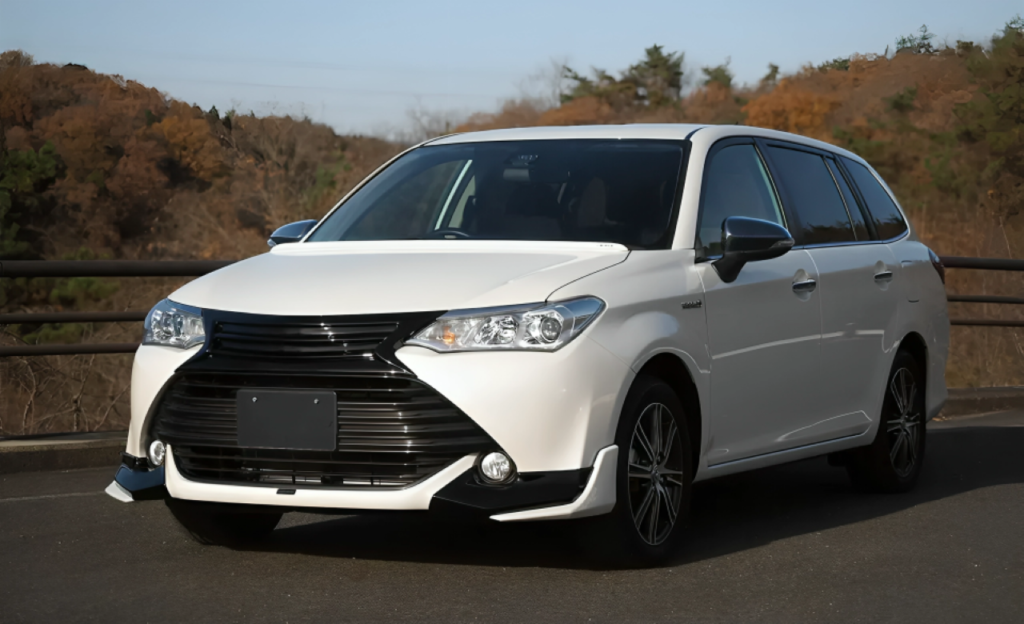
The Toyota Fielder is a five‑door estate (station wagon) manufactured by Toyota Motor Corporation, one of the world’s largest and most respected automobile makers, producing around 10 million vehicles annually. The company was founded by Kiichiro Toyoda and incorporated on 28 August 1937, with its global headquarters in Toyota City, Aichi, Japan.
Often mistaken for a term from sport, the Fielder is not associated with cricket at all: it is a practical, family‑oriented estate car based on the Toyota Corolla platform. Its name suggests suitability for “field excursions and leisure activities,” reflecting Toyota’s intent for versatility and everyday use.
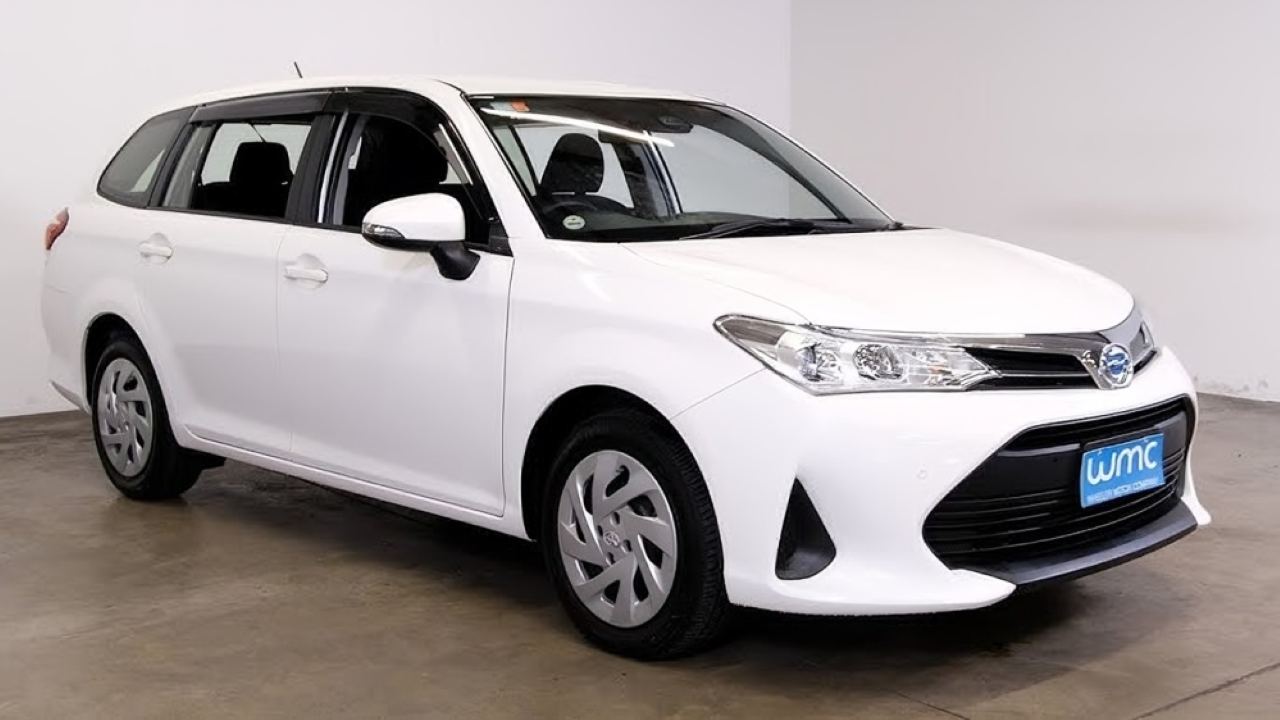
Table of Contents
History and Development
The Corolla wagon line was first branded as the Fielder alongside the ninth‑generation Corolla sedan, offering increased cargo space and passenger comfort over the standard sedan. Unlike earlier commercial wagon variants, the Fielder was specifically designed as a passenger‑friendly station wagon using the Corolla sedan’s platform.
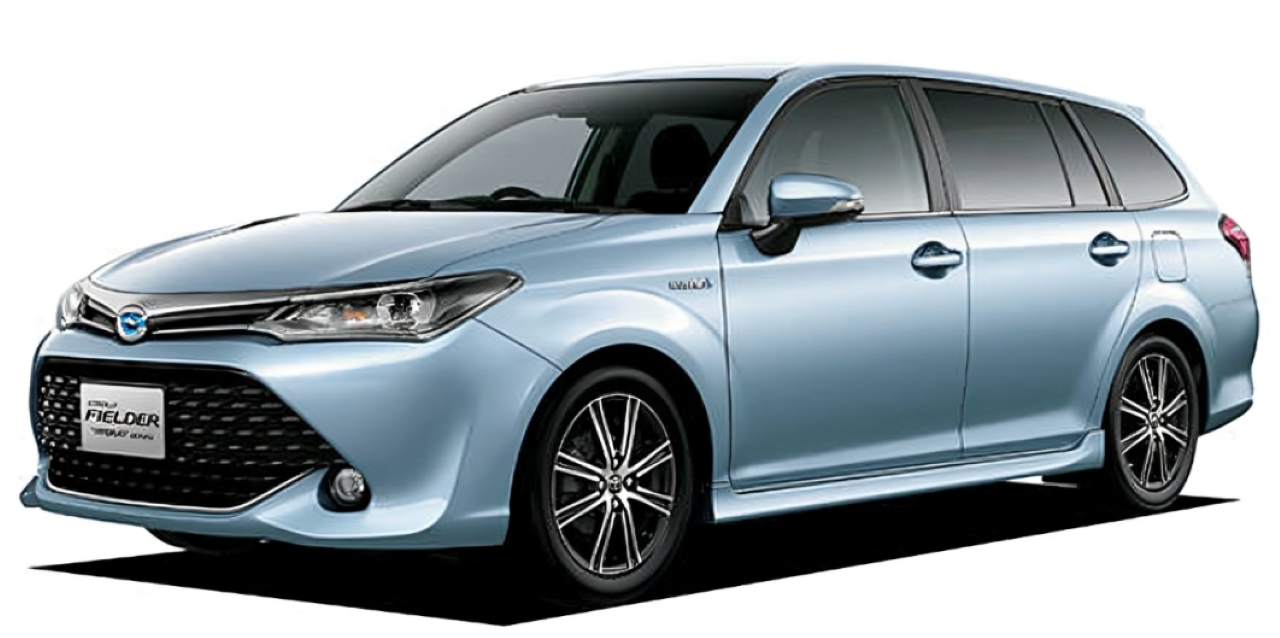
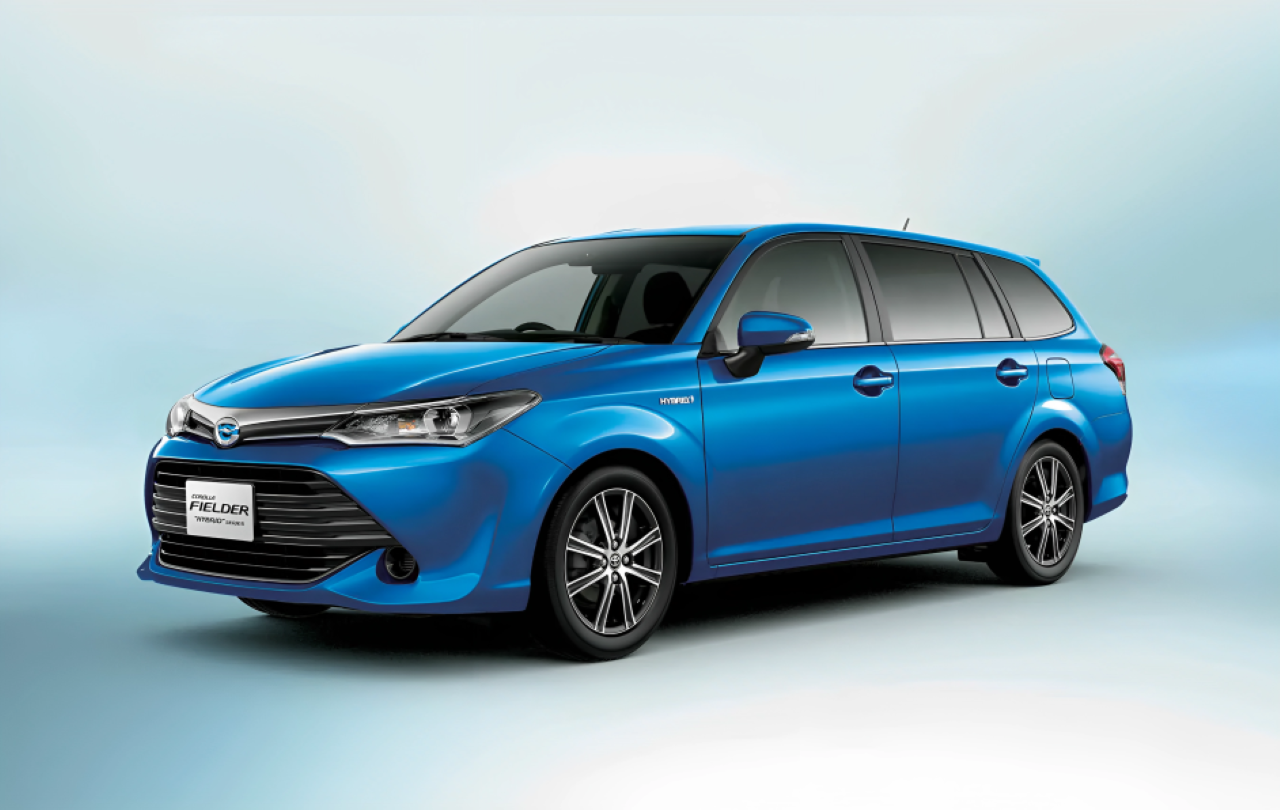
Through successive generations, the Fielder offered various engine options — from efficient 1.5‑litre petrol units to larger 1.8‑litre engines and even diesel choices in some markets. These powertrains were typically matched with automatic or CVT transmissions, prioritising fuel economy and ease of driving. Hybrid models incorporating Toyota’s Hybrid Synergy Drive system were introduced later, delivering exceptional fuel efficiency and lower emissions.
Specifications and Performance
Most widely imported variants feature the reliable 1.5 litre 1NZ‑FE petrol engine, delivering around 109 hp with smooth performance and known for low maintenance costs and durability — a key reason for the Fielder’s popularity in markets like Bangladesh.
- Seating for five passengers with flexible cargo space suitable for daily errands or long trips.
- Boot capacity around 400+ litres, expandable with fold‑flat rear seats, ideal for family needs.
- Hybrid versions achieve significantly higher fuel economy — typically well into the 20 km/l region in real‑world conditions — compared to conventional petrol variants.
Popularity in Bangladesh
The Corolla Fielder has become extremely popular among Bangladeshi drivers, especially as a reconditioned import from Japan, because of its reliability, easy maintenance, and fuel efficiency. Many owners cite Toyota’s wide availability of spare parts and local mechanics’ familiarity with Toyota vehicles as major advantages.
Daily traffic in urban areas such as Dhaka is no barrier for the Fielder; its compact yet spacious design makes it easy to manoeuvre in congested streets while still offering practical load‑carrying capacity for families and small businesses alike.
Driving Experience and Practicality
Owners describe the Fielder as comfortable and predictable to drive:
- Steering and handling are straightforward, suitable for both city commutes and longer journeys.
- The interior is simple but functional, with later imports including updated infotainment and safety features such as ABS and stability control on newer models.
- Fuel economy varies widely with conditions and driving style; hybrids especially shine in stop‑start traffic.
Challenges and Future
Despite its many strengths, Toyota has announced that production of the Corolla Fielder (alongside the Axio sedan) is expected to end in Japan by October 2025, marking the end of an era for this long‑loved model.
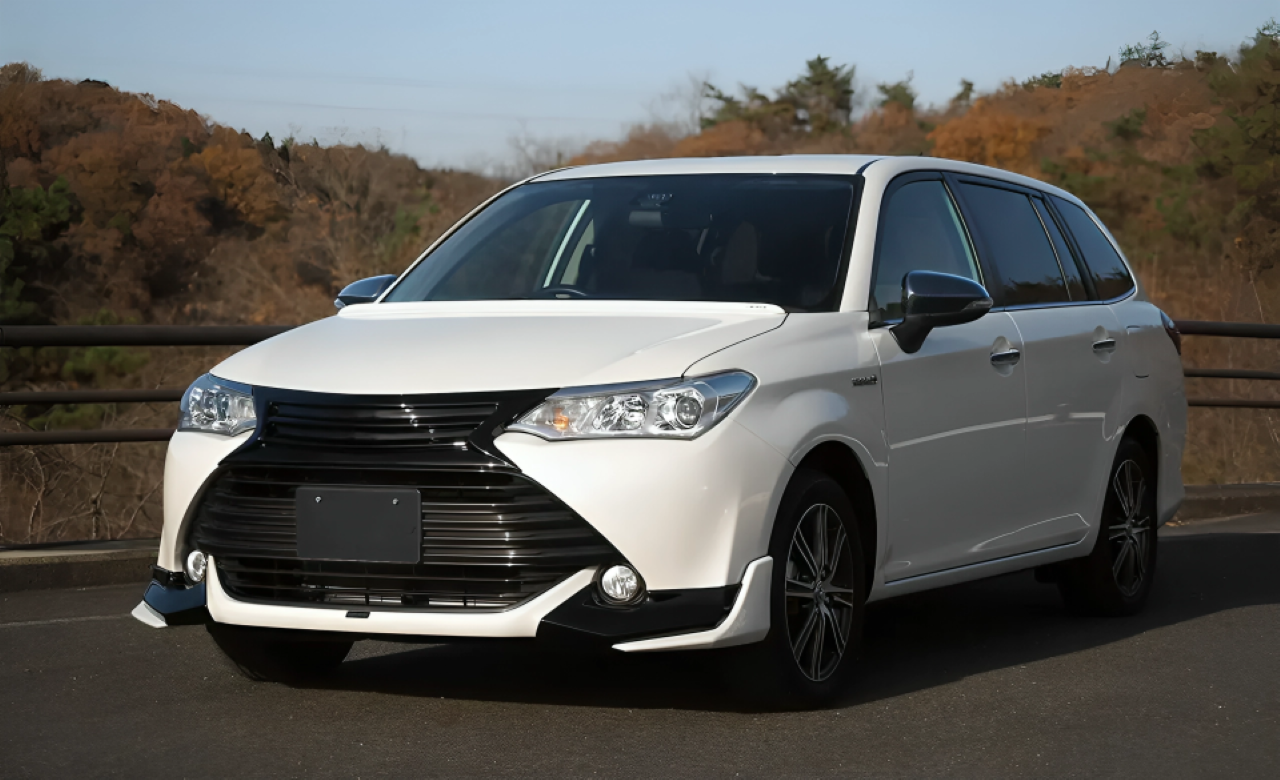
The Toyota Fielder remains one of the most ensuring and practical estate cars for everyday use — whether for family transport, school runs, grocery trips, or light business duties. Its combination of durability, cost‑effectiveness, and user‑friendly design has made it a favourite in Bangladesh and similar markets. While Toyota moves towards newer models and electrified options, the Fielder’s legacy of reliability and practicality will endure in many owners’ garages for years to come.